Category Archives: Tree Preservation

Emerald Ash Borer (EAB) Beetle Update for the Portland, Oregon Region (February 2026)

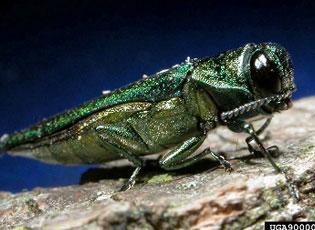
Emerald ash borer beetle

If you are reading this, then you most likely have been awakened to the threat of the emerald ash borer beetle (EAB) that has recently made its debut in the Portland region. This prolific and voracious beetle has already killed tens of millions of ash trees in the eastern U.S. since the early 2000s, and now it is in Oregon. What  follows is an update on the status of this horrific, invasive pest that is likely to kill every untreated native and non-native ash tree in our region over the next several years according to State of Oregon authorities.
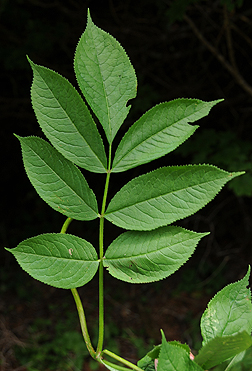
Ash tree leaf

For the past several years, I have been monitoring the spread of the EAB, as it is commonly known, since it was first detected in Forest Grove in July 2023. In fact, Good News Tree Service, Inc. was the first local tree care company in the Pacific Northwest to put out informational videos on its YouTube channel on the EAB. Since then, the EAB has spread throughout the Portland tri-county metro area and south to Yamhill and Marion counties. 

We have yet to witness wide-spread tree mortality among this region’s ash trees because it typically takes two to three years from the time the EAB enters a tree to the time limbs begin to die one-by-one on the tree. Thus, the Oregon Department of Forestry is expecting to see greater numbers of ash trees dying over the next several years. Personally I have viewed large patches of dead native Oregon white ash trees along the Tualatin River between Hillsboro and Scholls as well as in the Canby area, so like a horror movie, the EAB is coming to a theater near you.

The question then is if you have an ash tree on your property that you do not want to lose, when should you treat it? Glad you asked. As with everything in life, prevention is always the best medicine, and since it is impossible to tell if your tree has been infested with the EAB or not, the sooner you treat it the better. Signs of EAB in your tree include woodpecker holes, large dead branches and small capital D-shaped holes in the trunk or branches.
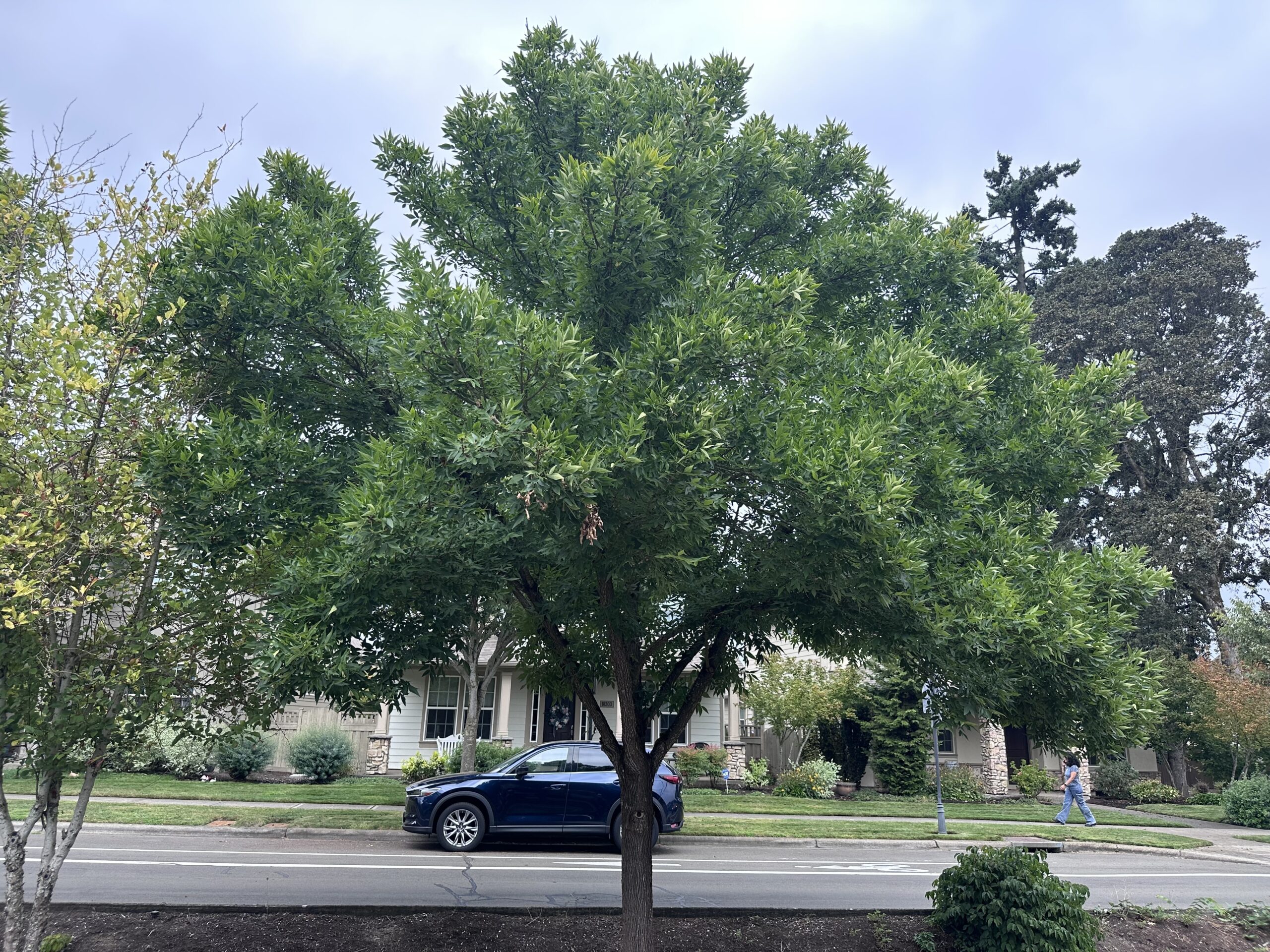
Ash tree

The next question is how can the trees be treated and how effective are the treatments? It is true that homeowners can purchase pesticides from their local garden center that will kill the EAB, but these treatments are iffy at best with mixed results. It’s a gamble. This is because a state licensed professional arborist (like Good News Tree Service, Inc.) is legally authorized to purchase and apply chemical that are much more potent than what a homeowner can buy. Moreover, we inject the trees intravenously, if you will, by inserting a hypodermic-type needle directly into the tree’s vascular system and injecting it with a systemic pesticide that then translocates through the entire tree. Subsequently, when the EAB grub starts eating into the tree, it is poisoned to death. What’s more, the equipment to administer this lethal dose of insecticide typically costs $3,000 or more plus the expense of the pesticide. The good news is that a tree can go for two to three years between treatments, and the treatments are 99 percent effective as long as the tree is no more than 30 percent defoliated. The bad news is that the tree will need to be treated for the rest of its life. 

Although the trees can be treated any time of the year as long as the soil is moist, the most effective time is when the leaves are on the tree so that the insecticide can get into the leaves. Although the beetles mostly chew into the wood, sometimes after adult beetles hatch they will feed on the leaves before they fly to another tree to lay their eggs, according to a recent conversation I had with Christine Buhl, staff entomologist with the Oregon Department of Forestry (ODF). Thus the sooner in the spring after foliation occurs that one treats their trees the better, so that the insecticide has a chance to get into the tree before the beetles hatch and begin chewing on the wood. 

The cost to treat a tree depends on its size, but typically will cost several hundred  dollars per tree. The ODF has calculated that a mature ash street tree, for example, can be treated for 20 to 30 years for the cost of removing and replacing it including the loss of monetary value that a large tree adds to one’s property.

In conclusion, if you have a high value ash tree that is important to your landscape, shades your house or is a city-mandated street tree, the sooner you treat it the better. By waiting too long, one risks the chance of branches or whole trunks dying and then falling and potentially damaging property (e.g., buildings and vehicles), not to mention the expense of having to hire a tree service to prune out the dead branches. 
We Take Tree Preservation Seriously

At Good News Tree Service, Inc. in Wilsonville, Oregon, we don’t just talk about tree preservation, we actually do it—and our clients love it!

Go to the websites of most tree services, and you’ll find them bragging about the big trees they removed. The bigger the tree, the bigger and the better the tree service, so it seems. That’s not our philosophy, however.

Yes, we’ve done plenty of big trees over the decades. We even did full-scale logging for many years along with our other tree work. Been there, done that, as they say.

But since then, we’ve grown passionate about preserving every tree we can. Yes, we still take down plenty of trees because Mrs. Smith doesn’t like her tree any longer, because it has outgrown its spot, because it has became a hazard or a nuisance, or because it is dying and we can do nothing to bring it back to health.

But we get excited when we can save a tree that our client or other tree services recommended taking out. Sadly, the latter happens frequently! This is because many other tree services fail to inform Mrs. Smith about the options available to saving her tree, yet still mitigate her concerns. We educate our clients, provide them with options, and then let them make the choices. Often a valuable tree gets saved in the process

Here are some recent examples of trees we saved and their back story.

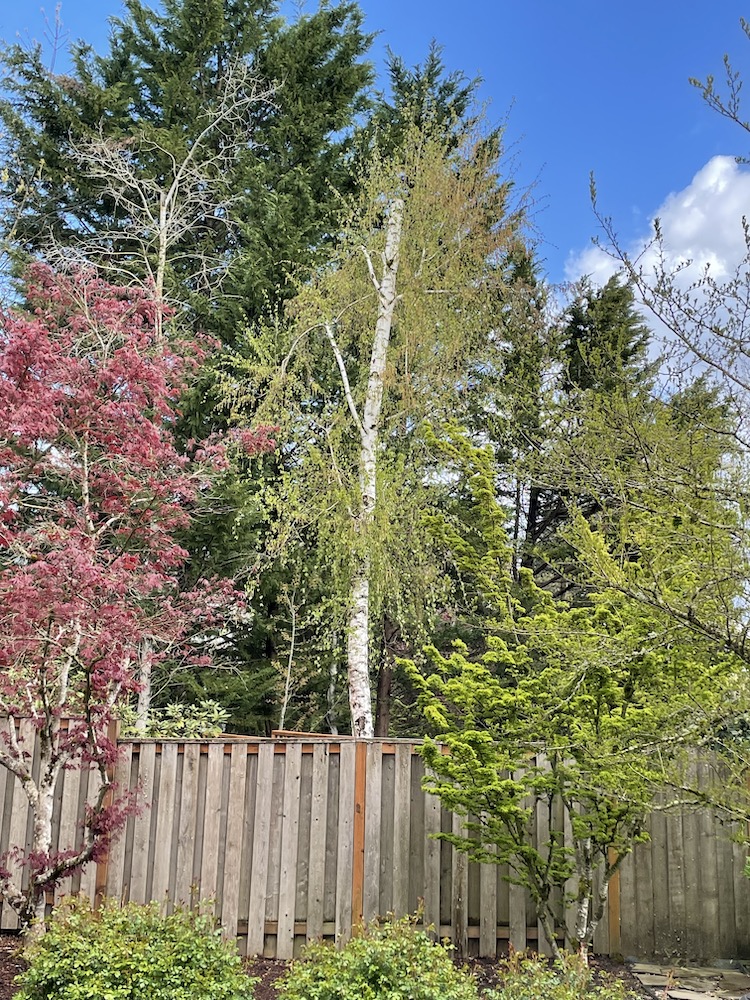
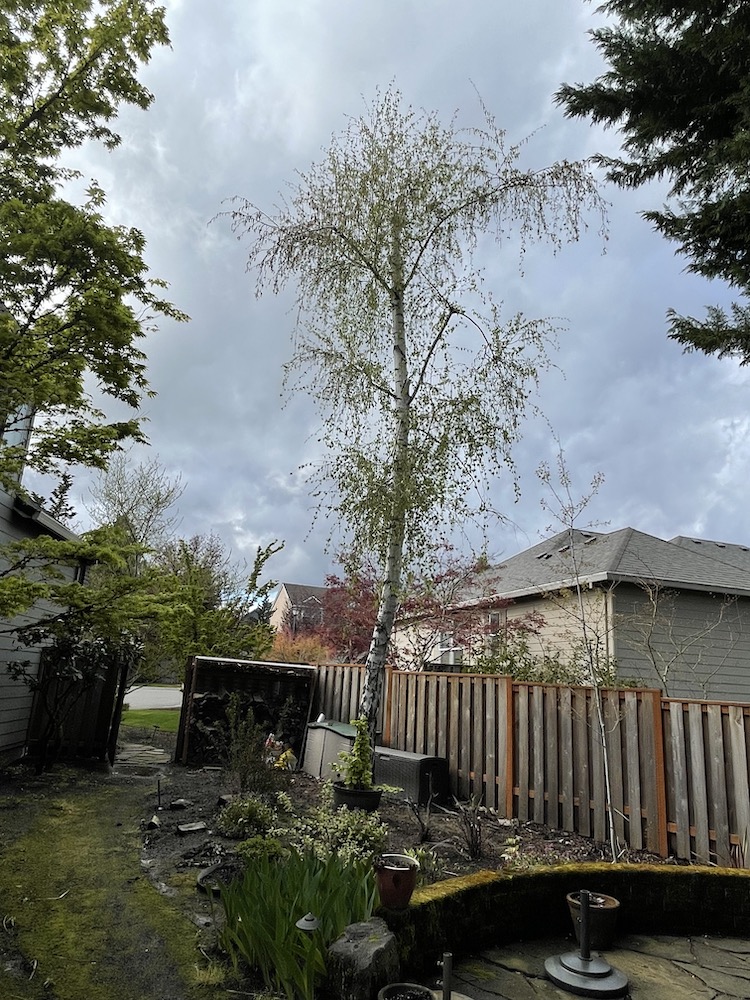
This birch tree was seriously devastated in last year’s epic ice storm. The people loved the tree, but thought it needed to be removed. After pruning out the broken wood and cutting the damaged trunk back to good wood, we let the tree regenerate itself, and a year later, here’s the same tree. By the end of this year’s growing season, it will look even better.

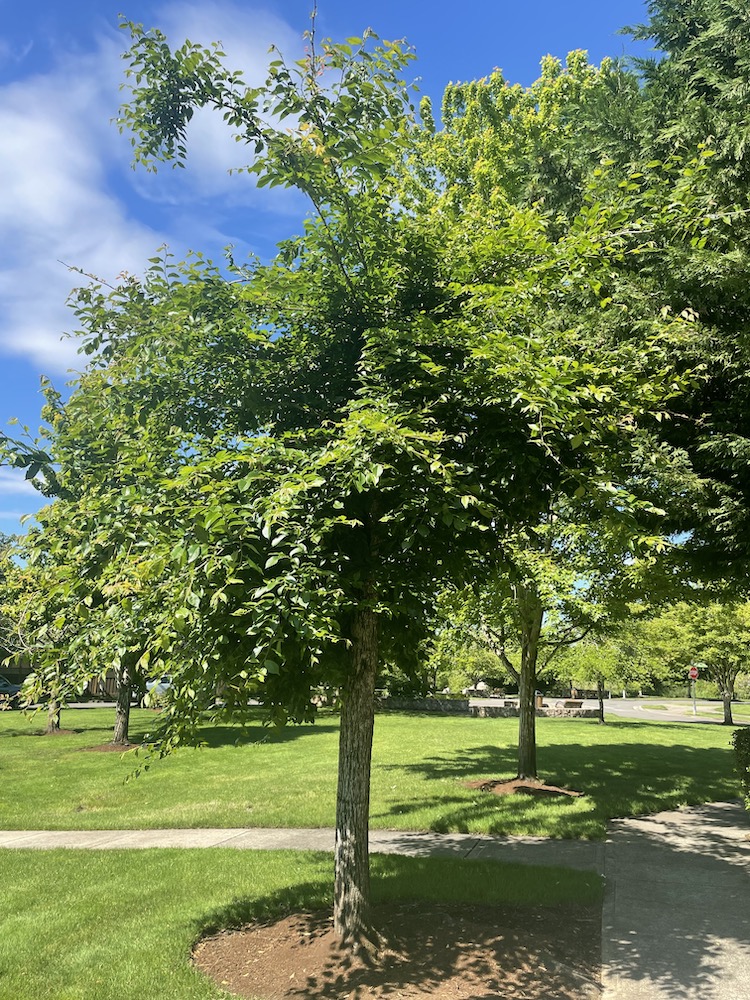
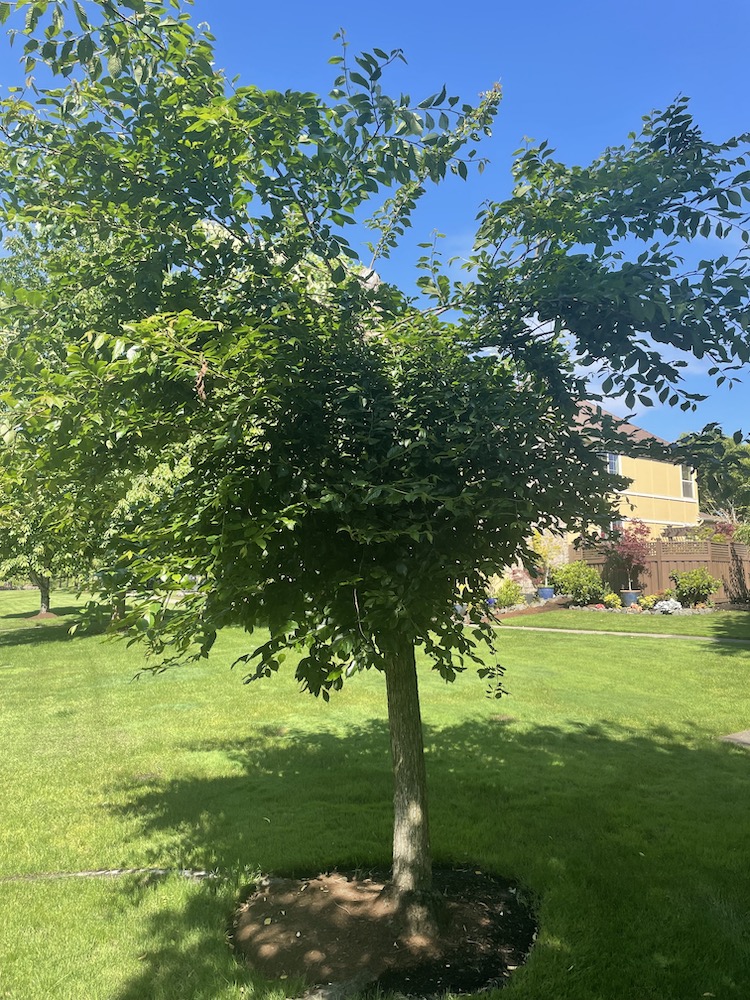
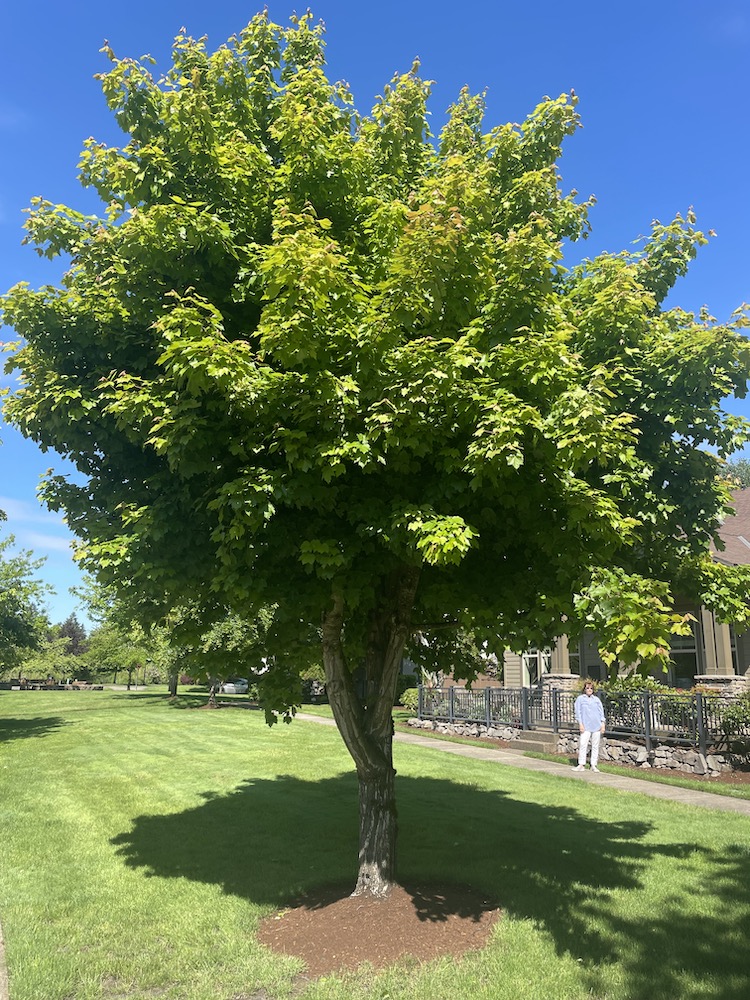
Here are some more examples of trees we saved from the saw. In these cases, another tree service wanted to remove these ice storm damaged trees in the common areas of this home owners association. In fact, these trees were red-flagged for removal. The competing tree service could have made big bucks removing them, grinding out the stumps and then replanting new trees.

Good News Tree Service was brought in for a second opinion, and we had good news for this HOA. Not only could these trees be saved, but we saved the HOA a boatload of money, helped the environment, and made the surrounding neighbors ecstatic over being able to save the trees. Since then, we have pruned them to make them look better since last year’s horrific ice storm. Reshaping them is still a work in progress and will continue as they regrow their ice-damaged tops.

One or two of these trees were so busted up that they were merely trunks with little or no side branches. Yet we knew that they’d put on a full crown of new foliage come spring, so we recommended keeping them. Now look at them!

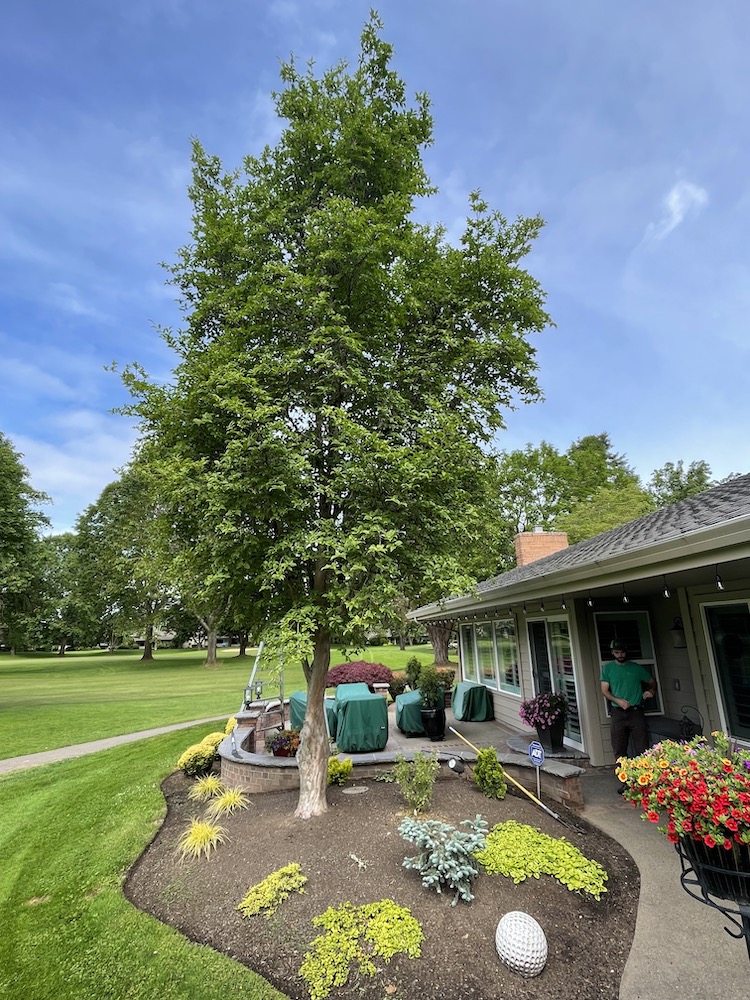
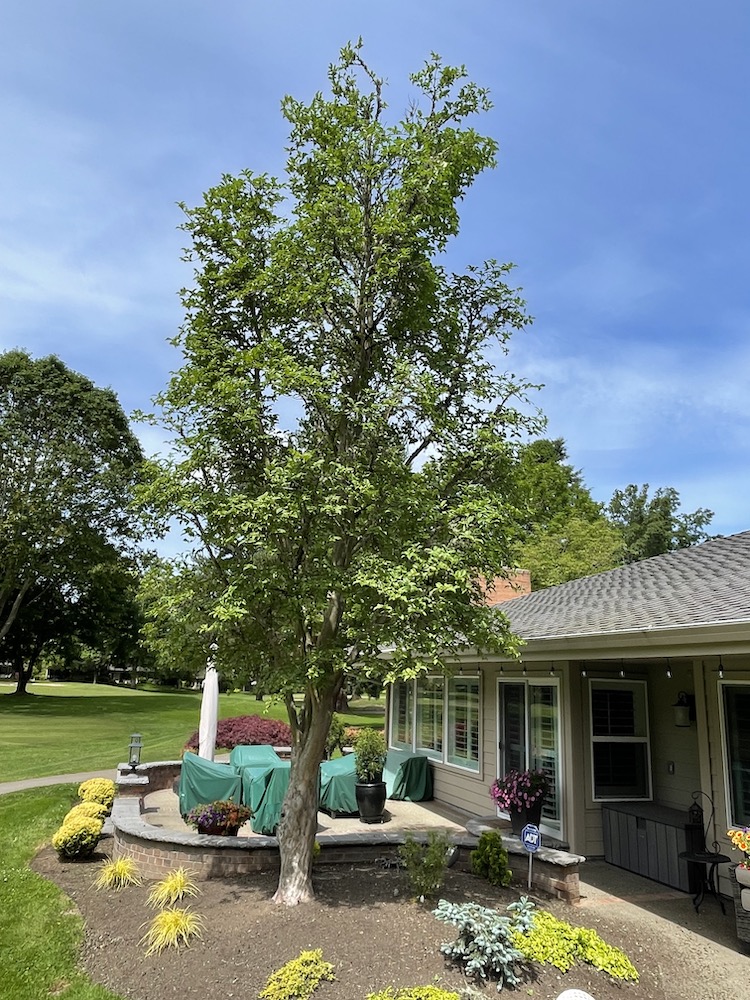
Here is another tree we just saved the other day. In this case, Mr. Jones wanted this glorious Stewartia tree removed because the berries and other detritus from it were staining his expensive patio. Upon conversing with him, I realized that he really loved the tree, but he didn’t like the mess it was causing. I suggested keeping the tree and, instead of removing it, reshaping the crown so that it would no longer hang over his patio. He loved the idea and the results. Here are the before and after pictures.

Before…
Here the tree is thinned and shaped. A new tree and a happy client!

Another Tree Saved from the Saw

The owner of this house was ready to have us take down this large sycamore tree because its roots were lifting his sidewalk. Had I been a greedy arborist, I could have charged him a lot of money and removed the tree as he wished. However, I told him how he could cut some roots, install a root barrier to prevent the roots from growing under his sidewalk in the future, thus saving the tree. Needless to say, he was elated at being able to keep his tree and save a boat load of money to boot.

Saving trees from the saw doesn’t seem to be a popular thing among many tree services, who prefer, instead, to make a quick buck while preying on people’s fears and ignorance about trees. As an example of this, I received a desperate call from a homeowner who lives in the suburbs of Denver, Colorado. He has a large maple tree that he believes is savable, but that the City and a several tree services have told him must come out. A couple of arborist told him that the tree can be saved with some pruning to remove some hazardous branches; however, the city has sent him a demand letter that he remove it or they plan to trespass onto his property and remove it and put a lien on his house for the costs involved. No local tree services want to go up against the city on this issue, so are acquiescing to city’s demands, even though they know they can save the tree.

Thus, this man saw my blog where I brag about the trees we save, and he called me hoping I could help him even though I live more than 1,200 miles from him. I gave him a lot of free advice on how to deal with the situation, who to contact, and how to save his tree.

We are trying to make a difference by making the world a more beautiful place one tree at a time.

Speaking of beautiful trees, here are some photos of trees that I recently took. Please enjoy.

A carpet of Oregon grape in a forest of Douglas-fir trees not far from my house.
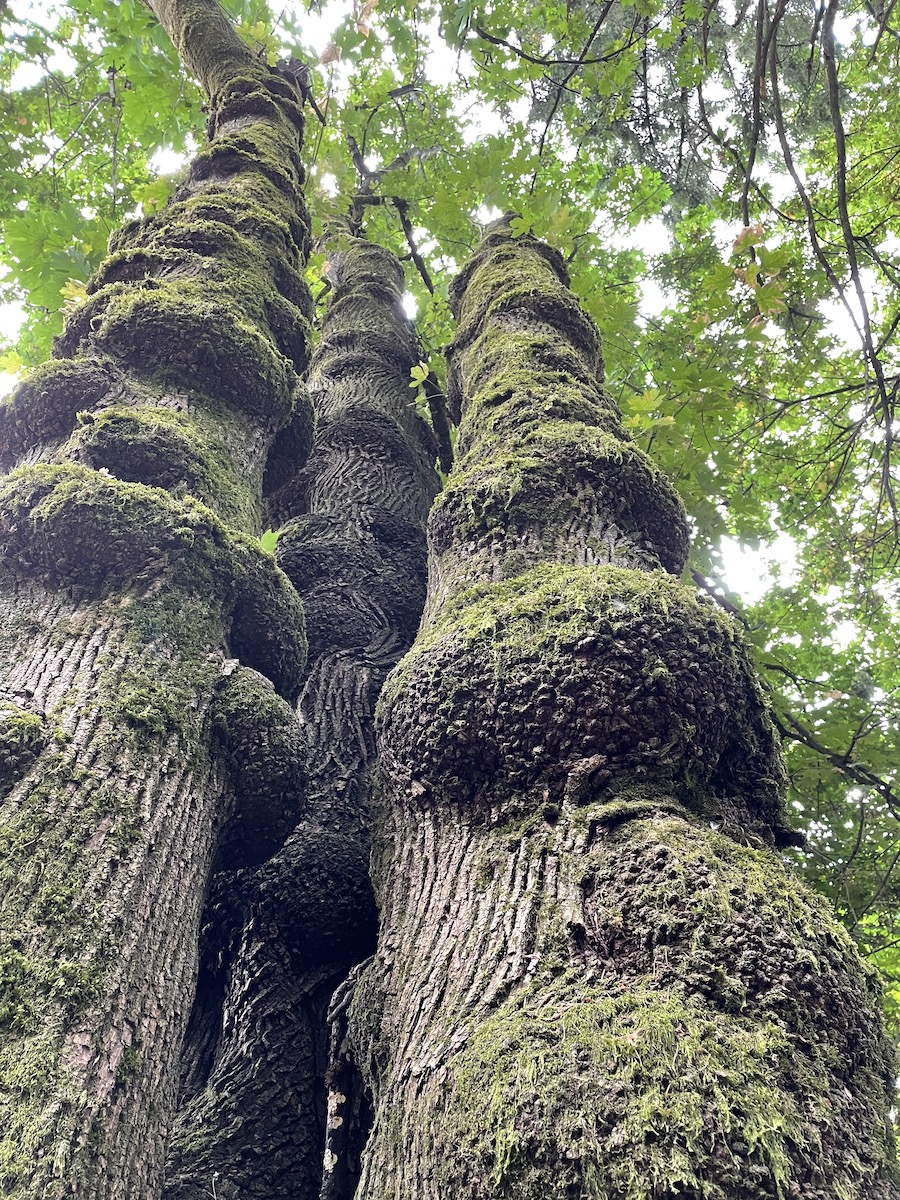
A big leaf maple tree trunk sculpture in a forest near my home.
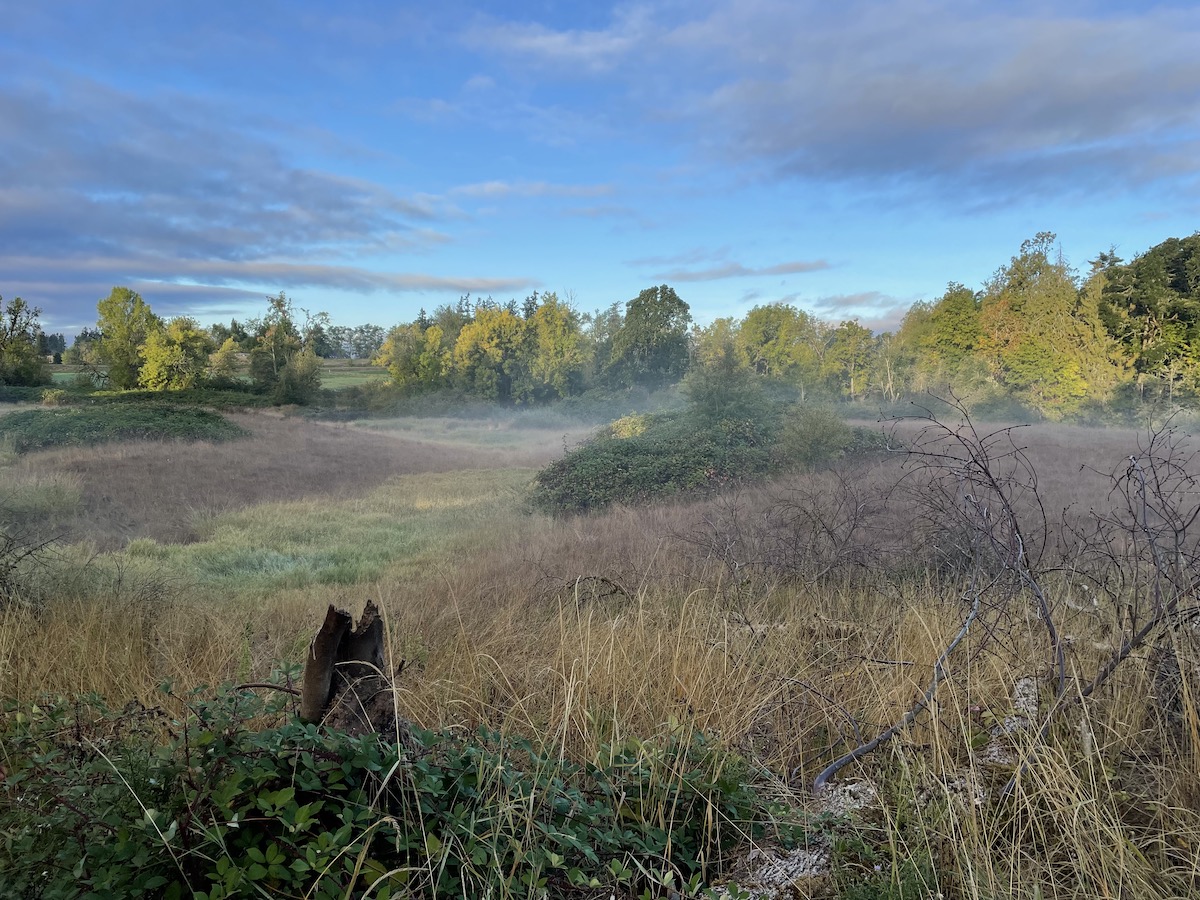
A cool autumn morning at Champoeg State Park.
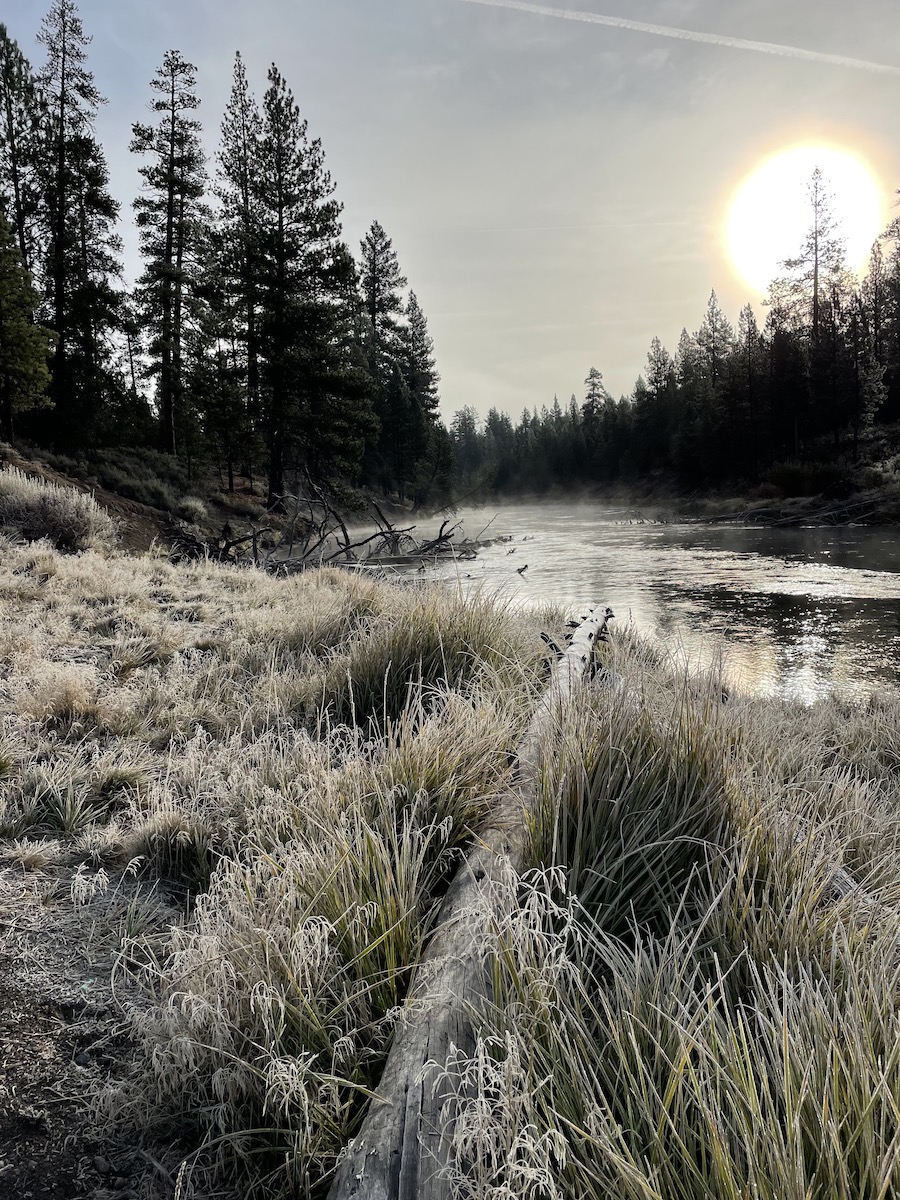
A frosty fall morning on the Deschutes River in La Pine, Oregon.
A ponderosa pine tree in Central Oregon.
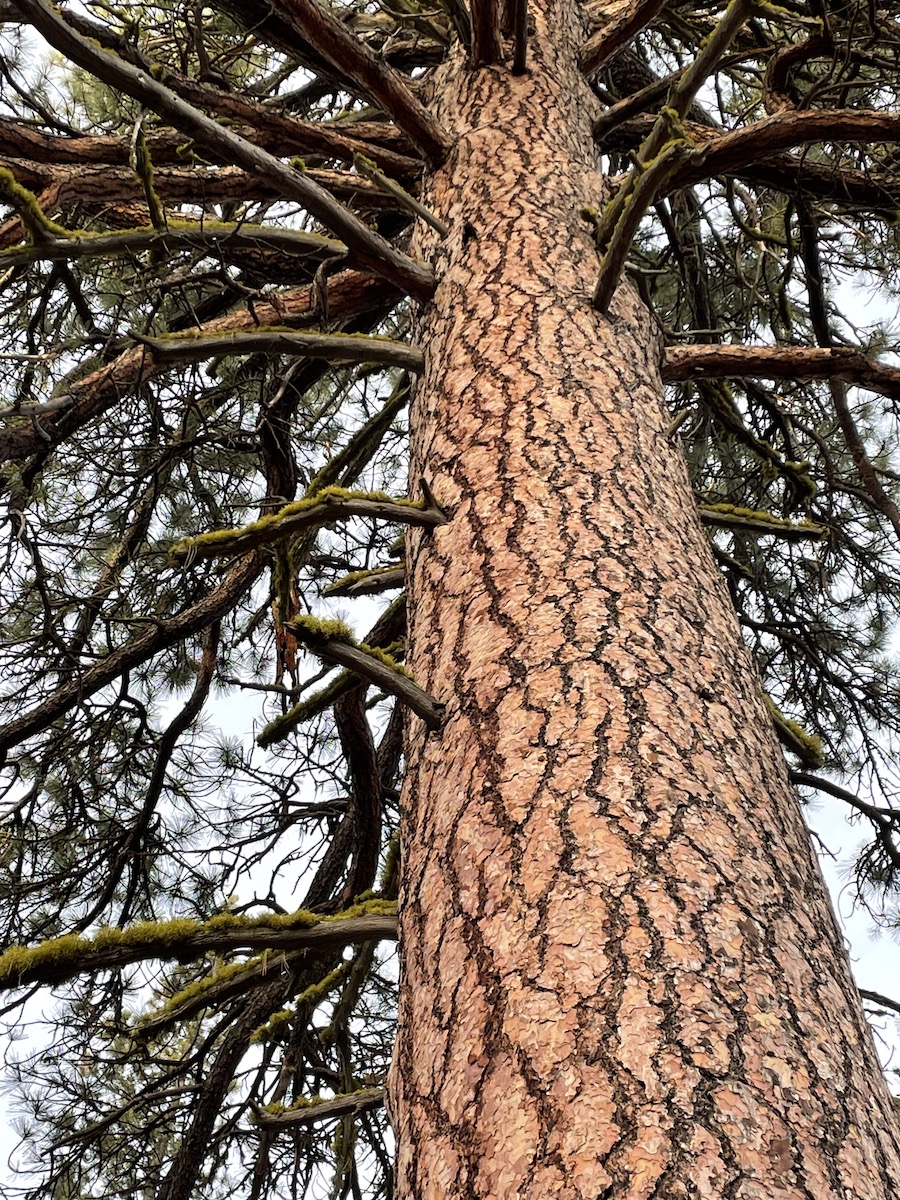
The bark scales of a ponderosa pine tree.
Nathan Lawrence of Good News Tree Service, Inc. in Wilsonville, Oregon

Two More Leafy Giants Saved From the Saw!

We are pleased to announce that in the last several days Good News Tree Service, Inc. of Wilsonville has saved two more giant trees from eradication.

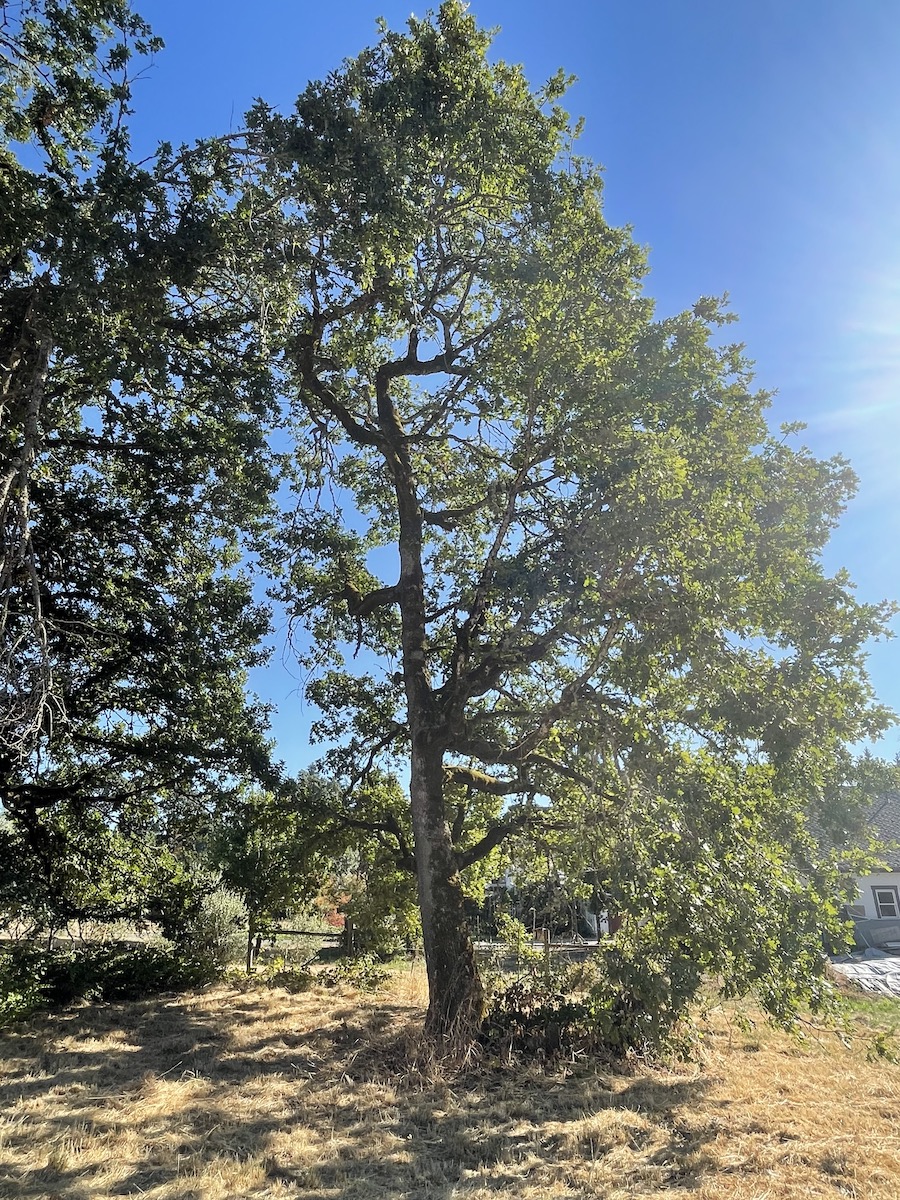
The first tree was a large 150 to 175 year-old native Oregon white oak tree that the property owner received bid from a well-known, local tree service to remove. We were also asked to submit a bid for its removal, but after interviewing the owner about his intentions for his land, I presented him with some alternatives that included saving the tree. Sadly, my competitor did not even discuss these options with the owner. It’s all about money, money, money with some tree services. Why let a perfectly savable tree stand in the way of making a few extra bucks?! Shame on the other guys!!!

In the end, the owner saved a boat load of money, prevented diminishing the the value of his property aesthetically and economically by keeping the tree, and did the right things for humanity and the earth by saving a glorious, ancient oak tree.

Now Good News Tree Service, Inc. didn’t make a dime off this deal, but we walked away feeling good because we did the right thing!

The second tree was an enormous Douglas-fir located next to someone’s house that was damaged in the recent ice storm. The owners were intent on removing it, even though they liked the tree. They were afraid that more branches might drop on their house in another storm—a justifiable concern.

However, after presenting the owners some options that would lessen the likelihood of future damage to their home, they decided to keep the tree. Good News Tree Service, Inc. will go in and clean up the storm damage, and in the process save a perfectly good tree.

Now that’s some good news, and one of several reasons why we are called the Good News Tree Service. We believe that we have a divine mission to save as many trees as possible and to help make the world a more beautiful place one tree at a time.

Bragging About the Trees We’re NOT Cutting Down!

While most tree services like to demonstrate their machismo over the ginormous trees that they have cut down using back-breaking heavy chainsaws, cranes and all sorts of high tech climbing paraphernalia and rigging equipment, Good News Tree Service, Inc. in Wilsonville is not your ordinary tree service. Here’s why.

Many tree services brag about tree preservations, but, sadly, any more, too many are inclined to remove Mrs. Smith’s tree to make a quick buck, rather than explaining to Mrs. Smith why and how she can save her tree. Sure it means less money for the coffers of the tree service, but isn’t it the right thing to do—to save a tree, if you can? After all, by keeping her tree, Mrs. Smith is likely to save a boatload of money. She’s also keeping a beautiful tree that adds aesthetic and monetary value to her property. It’s also doing right by the environment and the planet by keeping a large tree around. It’s also called the Golden Rule: Do unto others as you would have them do unto you (a quote from Jesus/Yeshua in Matthew 7:12 in the Bible).

Unlike most tree services, we also do plant health care. We fertilize, treat against pests and otherwise do our best to improve the health and vigor of trees and shrubs employing various means and methods. Our success rate at saving ailing trees and shrubs is high.

Yes, we do a lot of tree removals, but where possible, we save trees that our clients have told us that other tree services recommended removing.

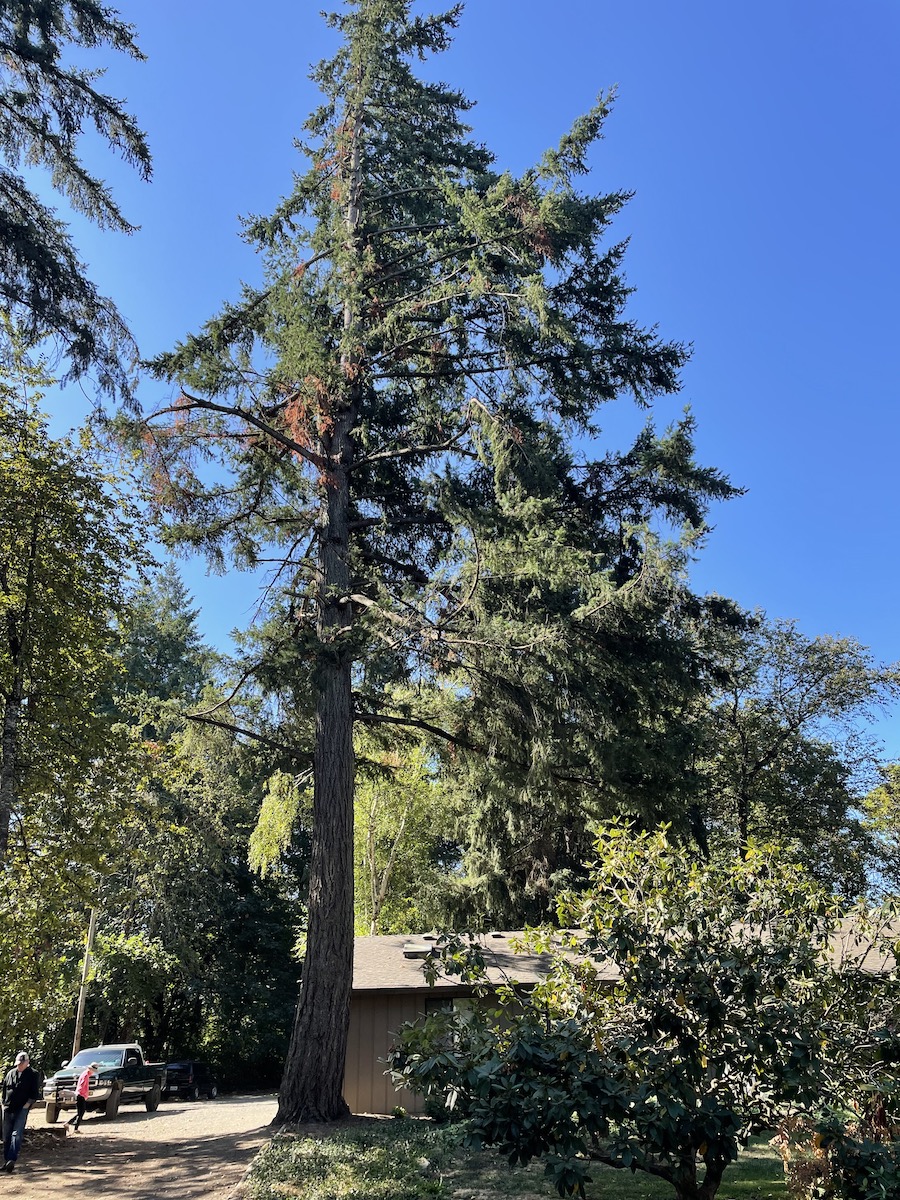
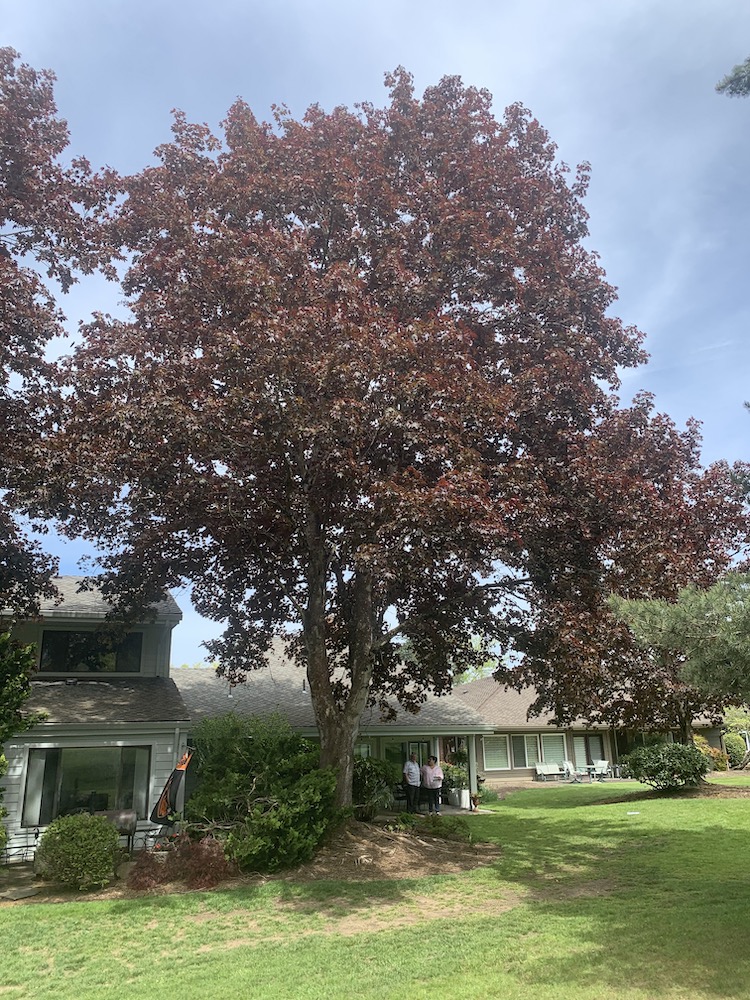
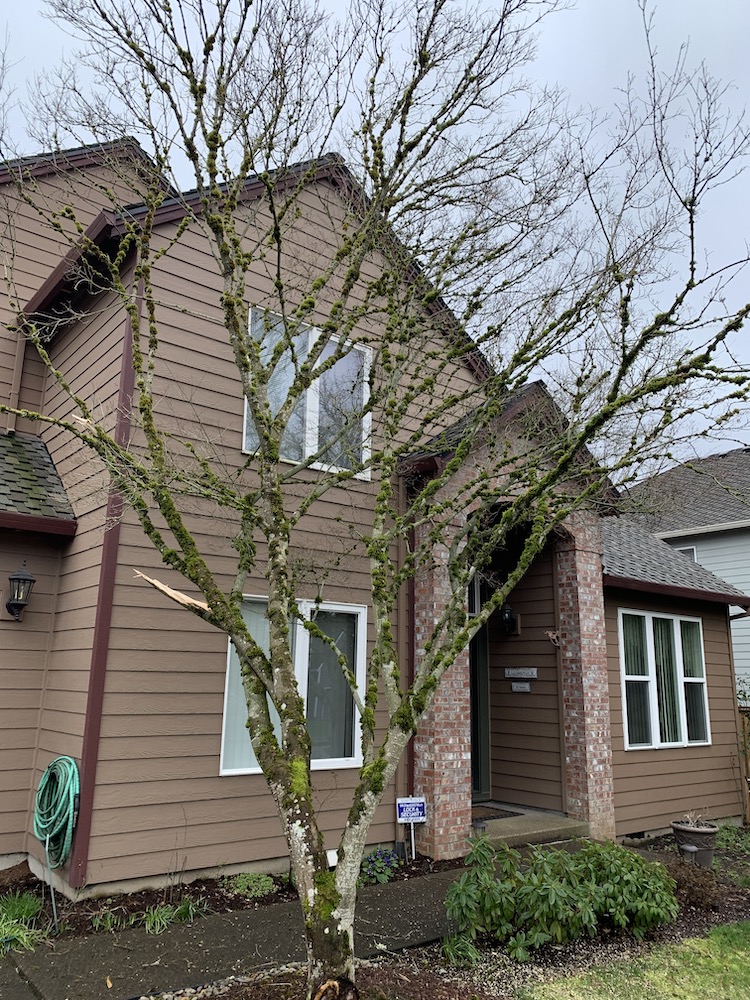
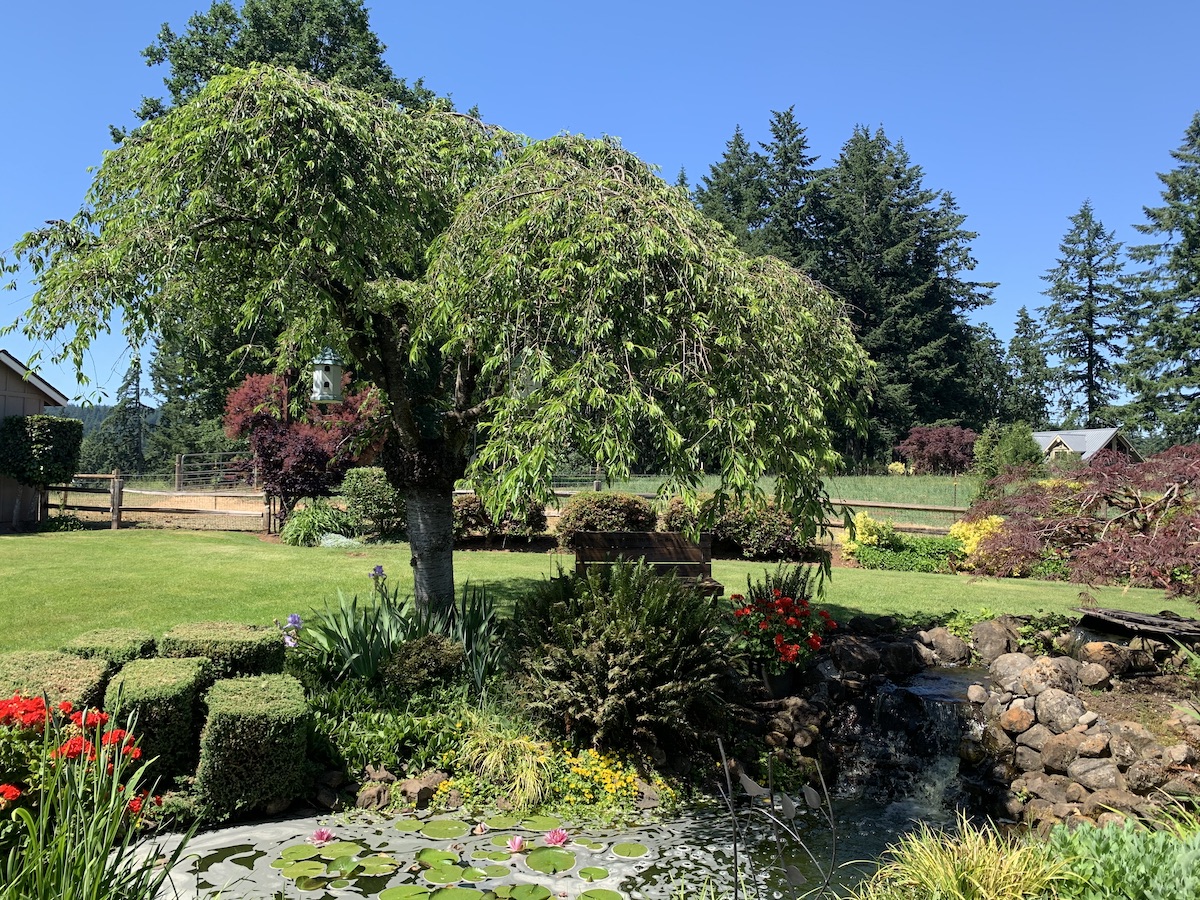
Here are some photos of a few trees that other tree services recommended removing or that our clients wanted us to remove, but we showed them how they could save their trees instead. Yes, we could have made a quick buck removing these trees, but we didn’t feel that is was the right thing to do, so we educated our clients about the merits of keeping them, and they happily agreed! We walked away with a happy, richer client, and we are able to sleep that night with a clear conscience knowing that we did the right thing. Isn’t that what it should be all about? We think so. HalleluYah!

Trees that Good News Tree Service, Inc of Wilsonville, Oregon has saved in the last few months:

Norway maple
Japanese maple
Ornamental cherry tree
Fruiting cherry tree
Big leaf maple tree
About 15 honey locust trees