Category Archives: Trees

Emerald Ash Borer (EAB) Beetle Update for the Portland, Oregon Region (February 2026)

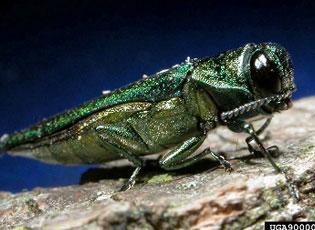
Emerald ash borer beetle

If you are reading this, then you most likely have been awakened to the threat of the emerald ash borer beetle (EAB) that has recently made its debut in the Portland region. This prolific and voracious beetle has already killed tens of millions of ash trees in the eastern U.S. since the early 2000s, and now it is in Oregon. What  follows is an update on the status of this horrific, invasive pest that is likely to kill every untreated native and non-native ash tree in our region over the next several years according to State of Oregon authorities.
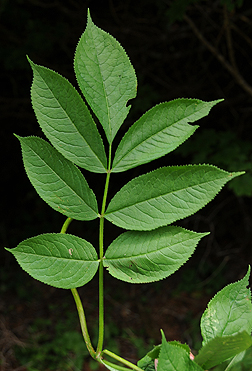
Ash tree leaf

For the past several years, I have been monitoring the spread of the EAB, as it is commonly known, since it was first detected in Forest Grove in July 2023. In fact, Good News Tree Service, Inc. was the first local tree care company in the Pacific Northwest to put out informational videos on its YouTube channel on the EAB. Since then, the EAB has spread throughout the Portland tri-county metro area and south to Yamhill and Marion counties. 

We have yet to witness wide-spread tree mortality among this region’s ash trees because it typically takes two to three years from the time the EAB enters a tree to the time limbs begin to die one-by-one on the tree. Thus, the Oregon Department of Forestry is expecting to see greater numbers of ash trees dying over the next several years. Personally I have viewed large patches of dead native Oregon white ash trees along the Tualatin River between Hillsboro and Scholls as well as in the Canby area, so like a horror movie, the EAB is coming to a theater near you.

The question then is if you have an ash tree on your property that you do not want to lose, when should you treat it? Glad you asked. As with everything in life, prevention is always the best medicine, and since it is impossible to tell if your tree has been infested with the EAB or not, the sooner you treat it the better. Signs of EAB in your tree include woodpecker holes, large dead branches and small capital D-shaped holes in the trunk or branches.
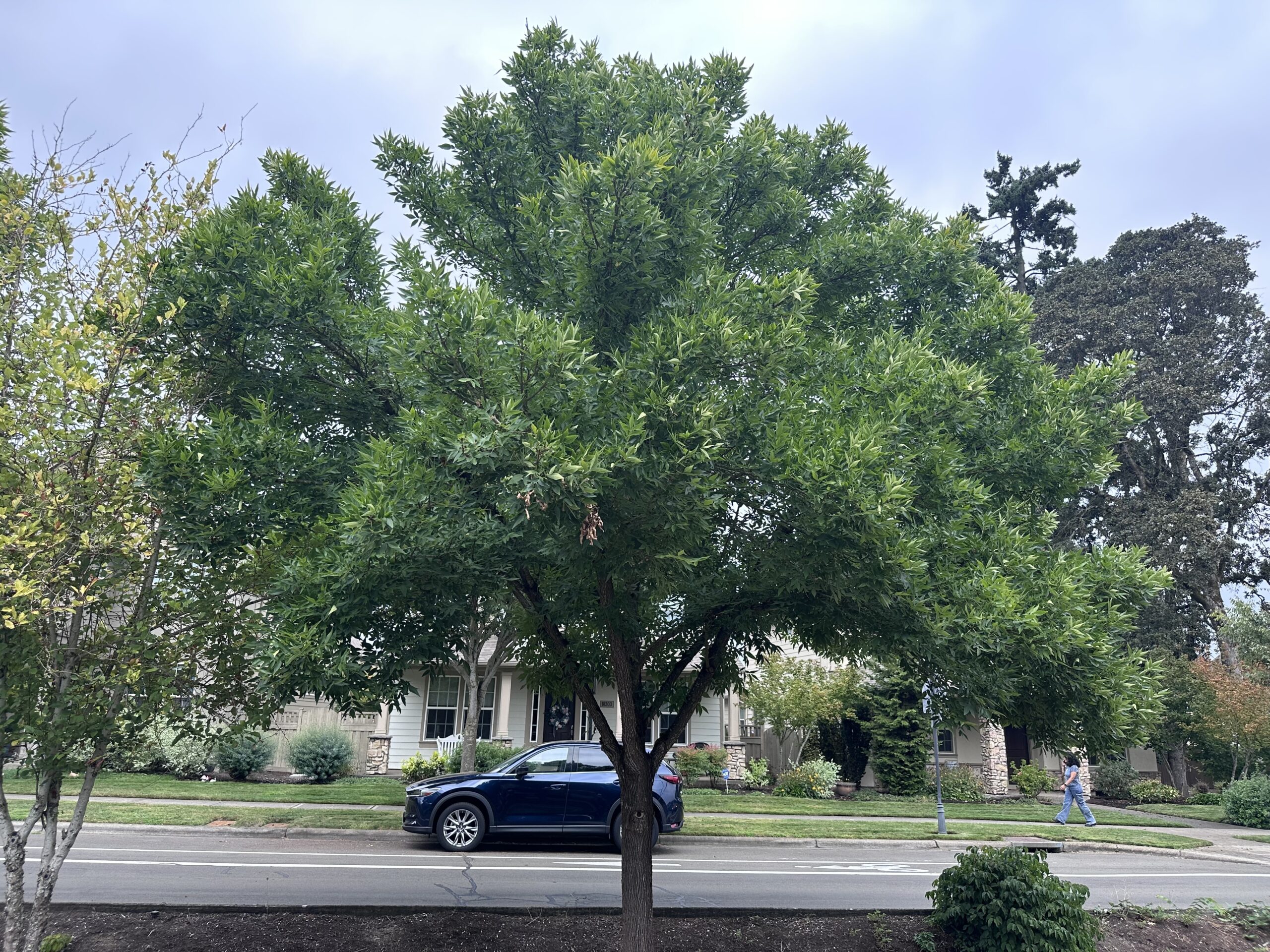
Ash tree

The next question is how can the trees be treated and how effective are the treatments? It is true that homeowners can purchase pesticides from their local garden center that will kill the EAB, but these treatments are iffy at best with mixed results. It’s a gamble. This is because a state licensed professional arborist (like Good News Tree Service, Inc.) is legally authorized to purchase and apply chemical that are much more potent than what a homeowner can buy. Moreover, we inject the trees intravenously, if you will, by inserting a hypodermic-type needle directly into the tree’s vascular system and injecting it with a systemic pesticide that then translocates through the entire tree. Subsequently, when the EAB grub starts eating into the tree, it is poisoned to death. What’s more, the equipment to administer this lethal dose of insecticide typically costs $3,000 or more plus the expense of the pesticide. The good news is that a tree can go for two to three years between treatments, and the treatments are 99 percent effective as long as the tree is no more than 30 percent defoliated. The bad news is that the tree will need to be treated for the rest of its life. 

Although the trees can be treated any time of the year as long as the soil is moist, the most effective time is when the leaves are on the tree so that the insecticide can get into the leaves. Although the beetles mostly chew into the wood, sometimes after adult beetles hatch they will feed on the leaves before they fly to another tree to lay their eggs, according to a recent conversation I had with Christine Buhl, staff entomologist with the Oregon Department of Forestry (ODF). Thus the sooner in the spring after foliation occurs that one treats their trees the better, so that the insecticide has a chance to get into the tree before the beetles hatch and begin chewing on the wood. 

The cost to treat a tree depends on its size, but typically will cost several hundred  dollars per tree. The ODF has calculated that a mature ash street tree, for example, can be treated for 20 to 30 years for the cost of removing and replacing it including the loss of monetary value that a large tree adds to one’s property.

In conclusion, if you have a high value ash tree that is important to your landscape, shades your house or is a city-mandated street tree, the sooner you treat it the better. By waiting too long, one risks the chance of branches or whole trunks dying and then falling and potentially damaging property (e.g., buildings and vehicles), not to mention the expense of having to hire a tree service to prune out the dead branches. 
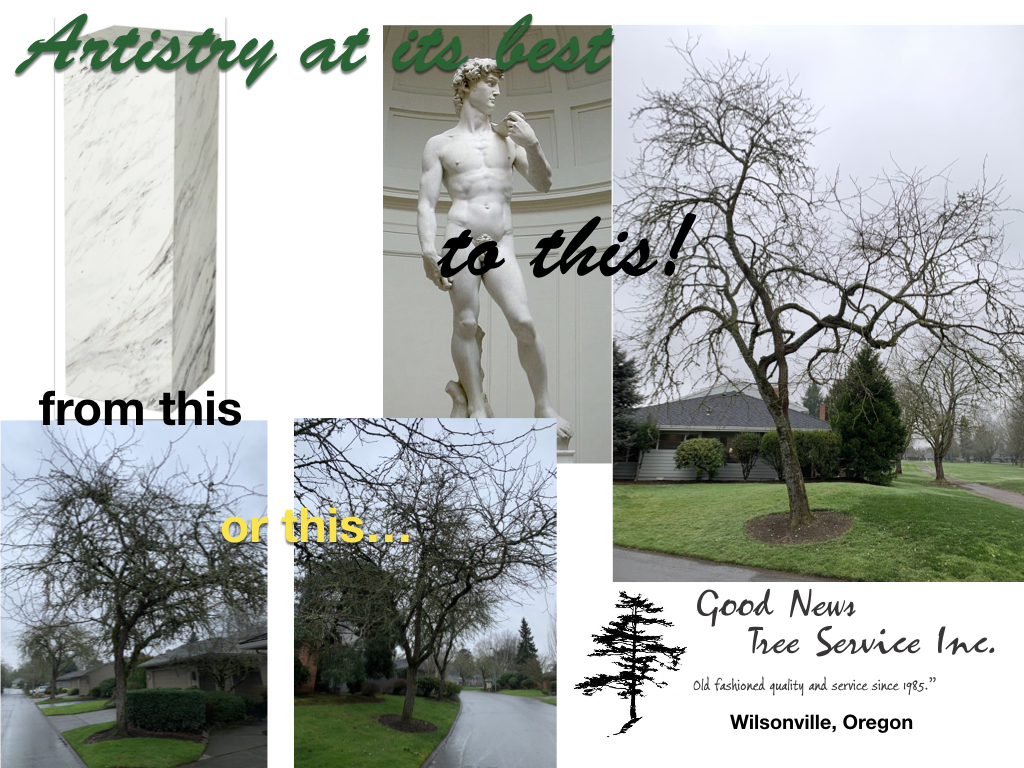
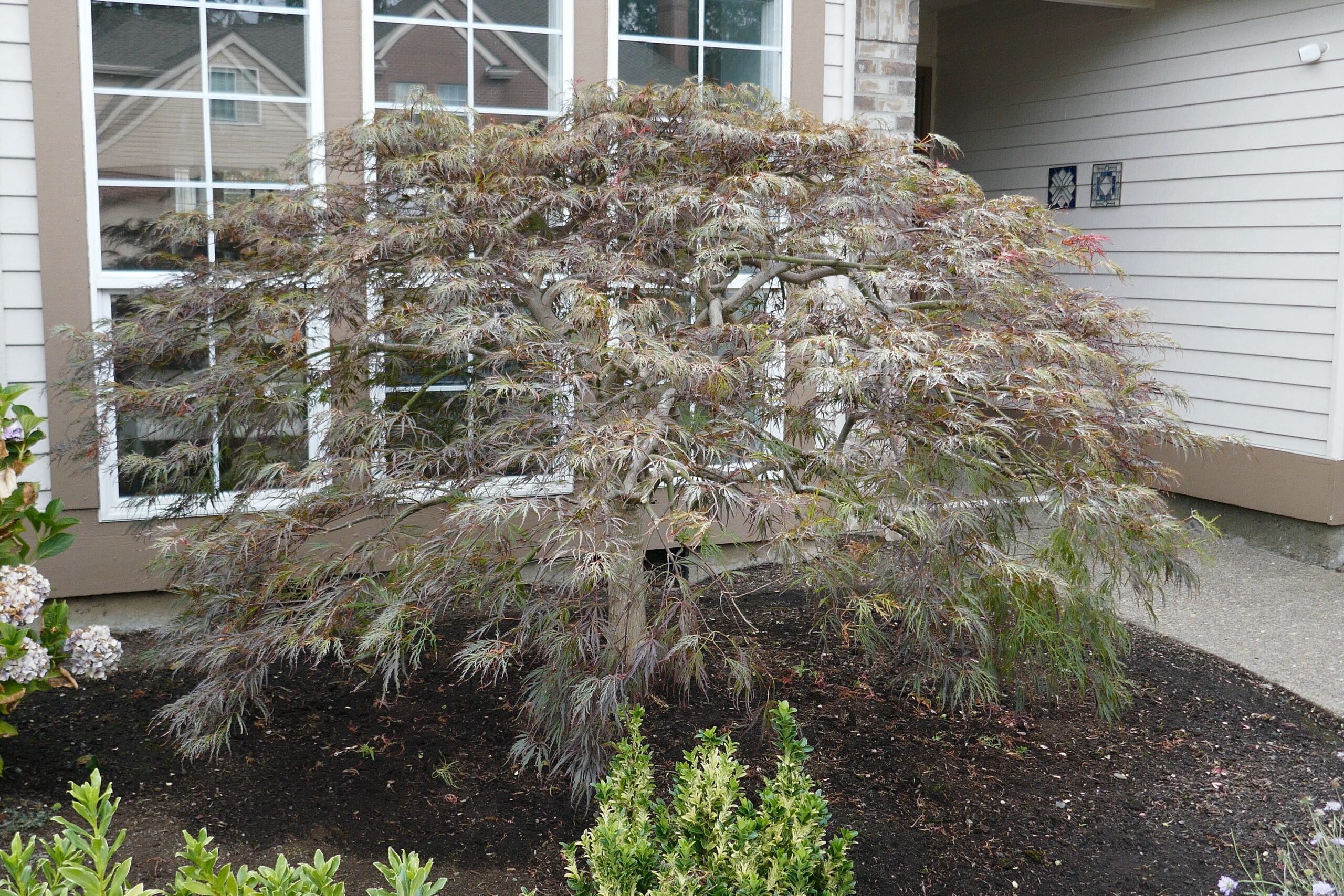
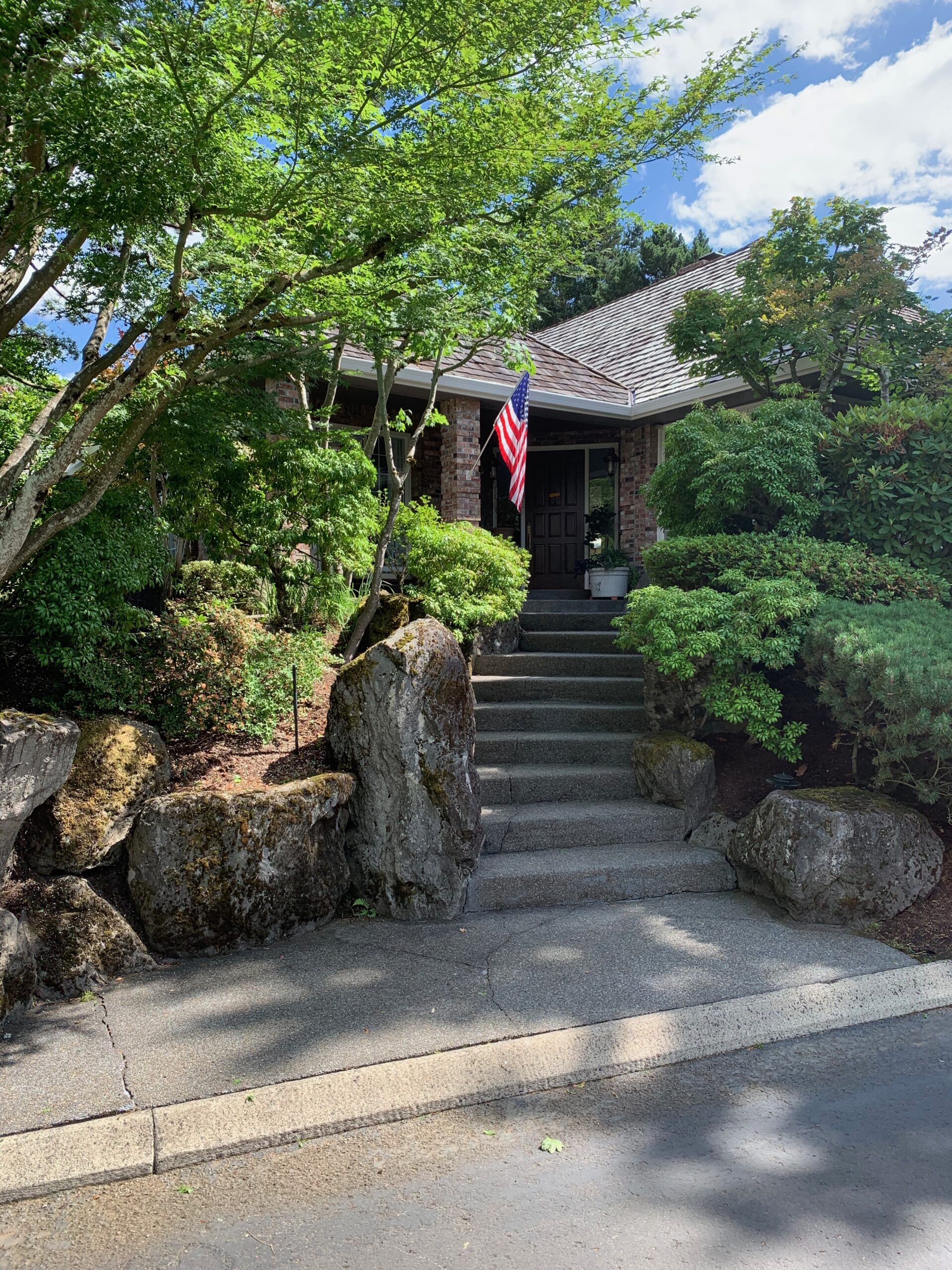
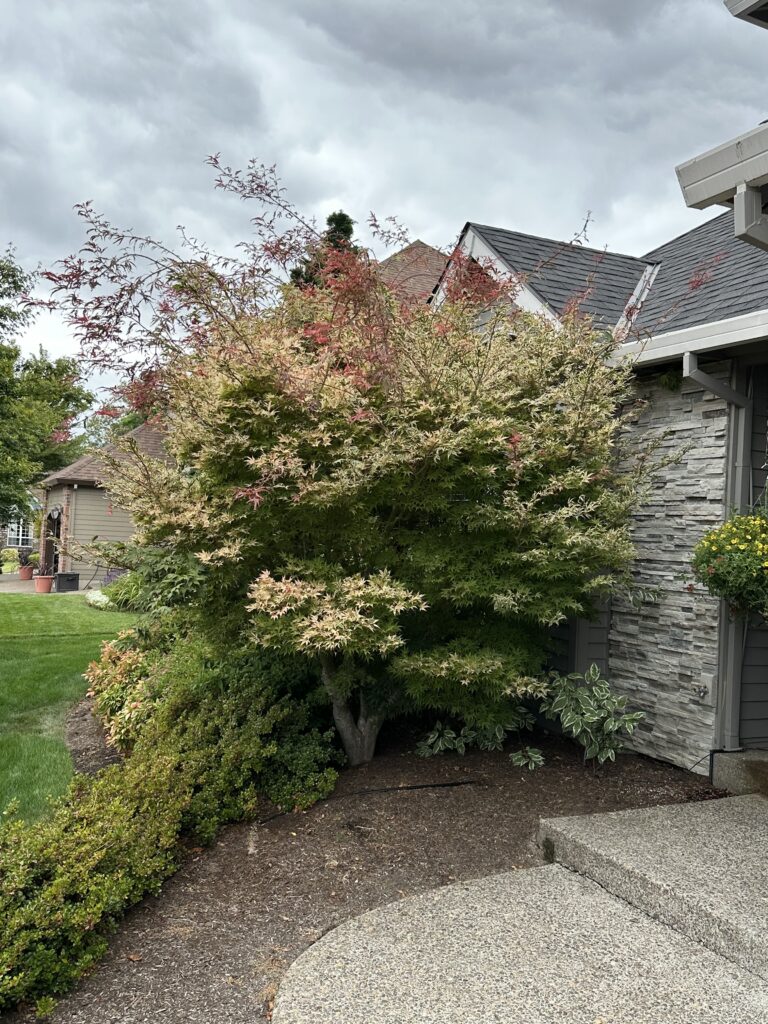
The Highest Quality of Aesthetic Pruning of Trees and Shrubs in NW Oregon since 1960

Our family along our associates of aesthetic tree and shrub pruners have been beautifying the Portland, Oregon area’s nicest homes, estates and commercial properties since 1960 when Tom Lawrence started landscaping in this area.

Since 1985, Nathan Lawrence and his company, Good News Tree Service, Inc. of Wilsonville, has been practicing the craft of aesthetic pruning with an eye on the naturally occurring beauty of each plant specimen as he is simultaneously informed and influenced by the scenic landscape of the Pacific Northwest region.

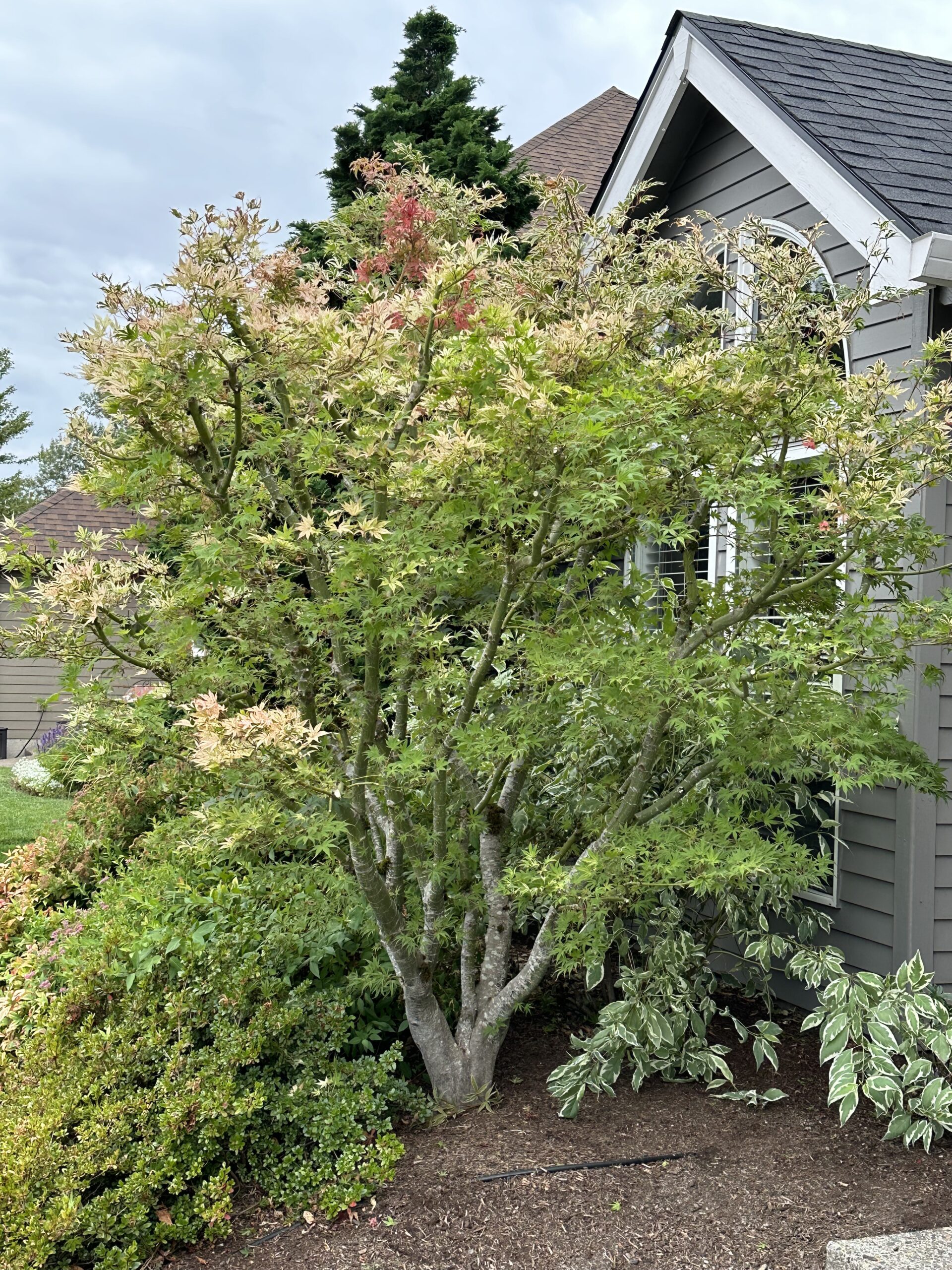
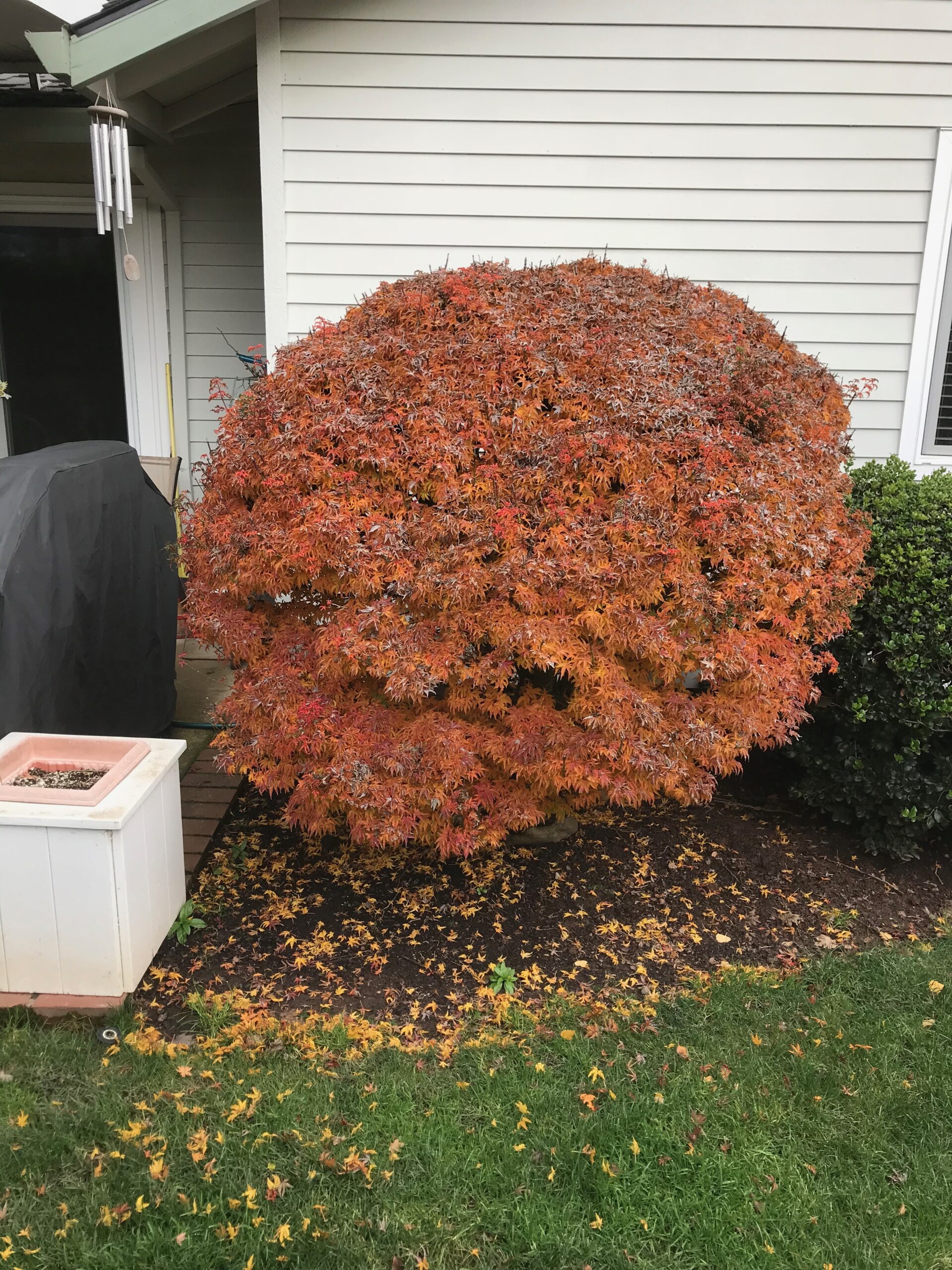
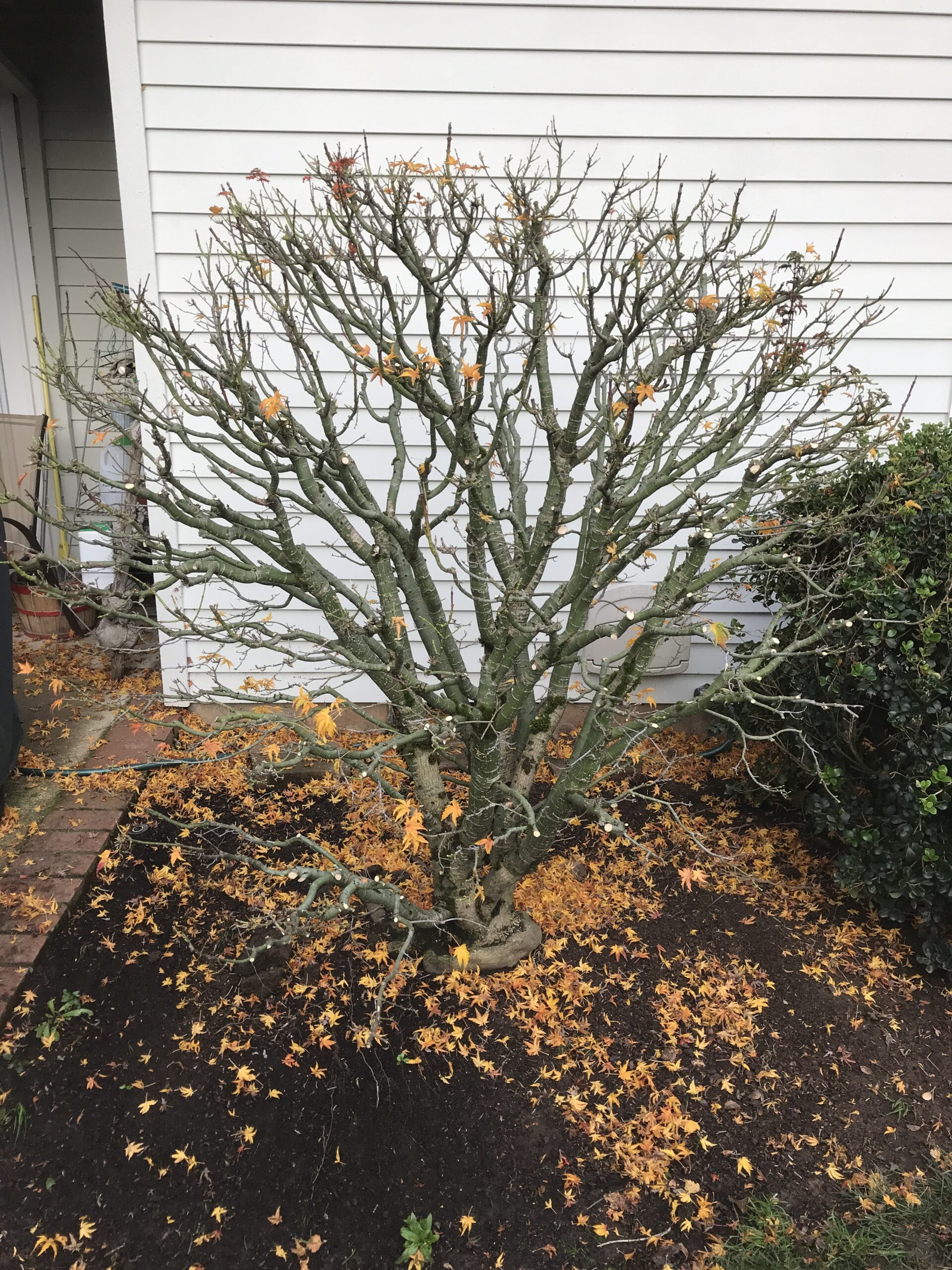
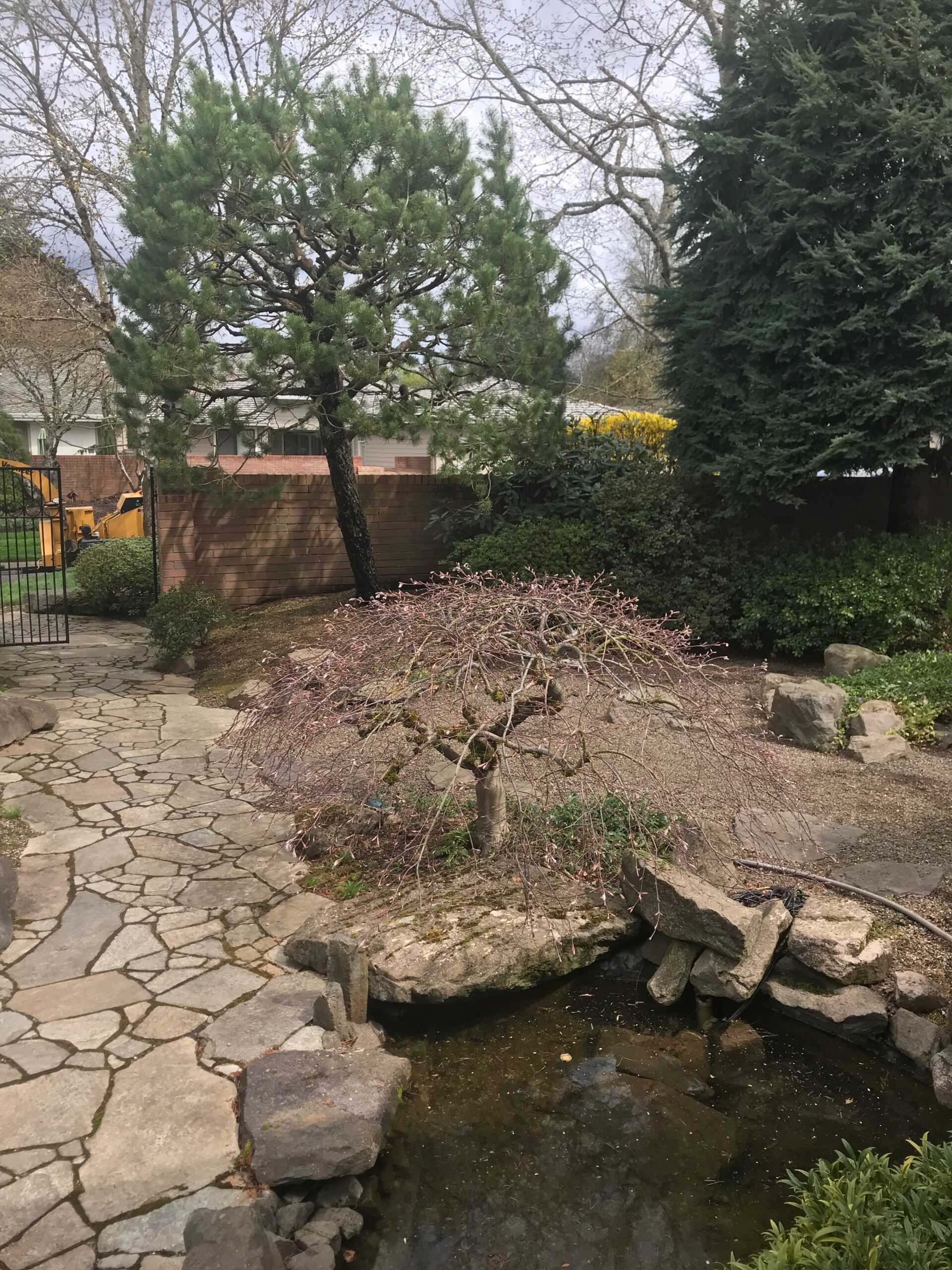
We trust that the following photos will speak for themselves.

After
Before
After
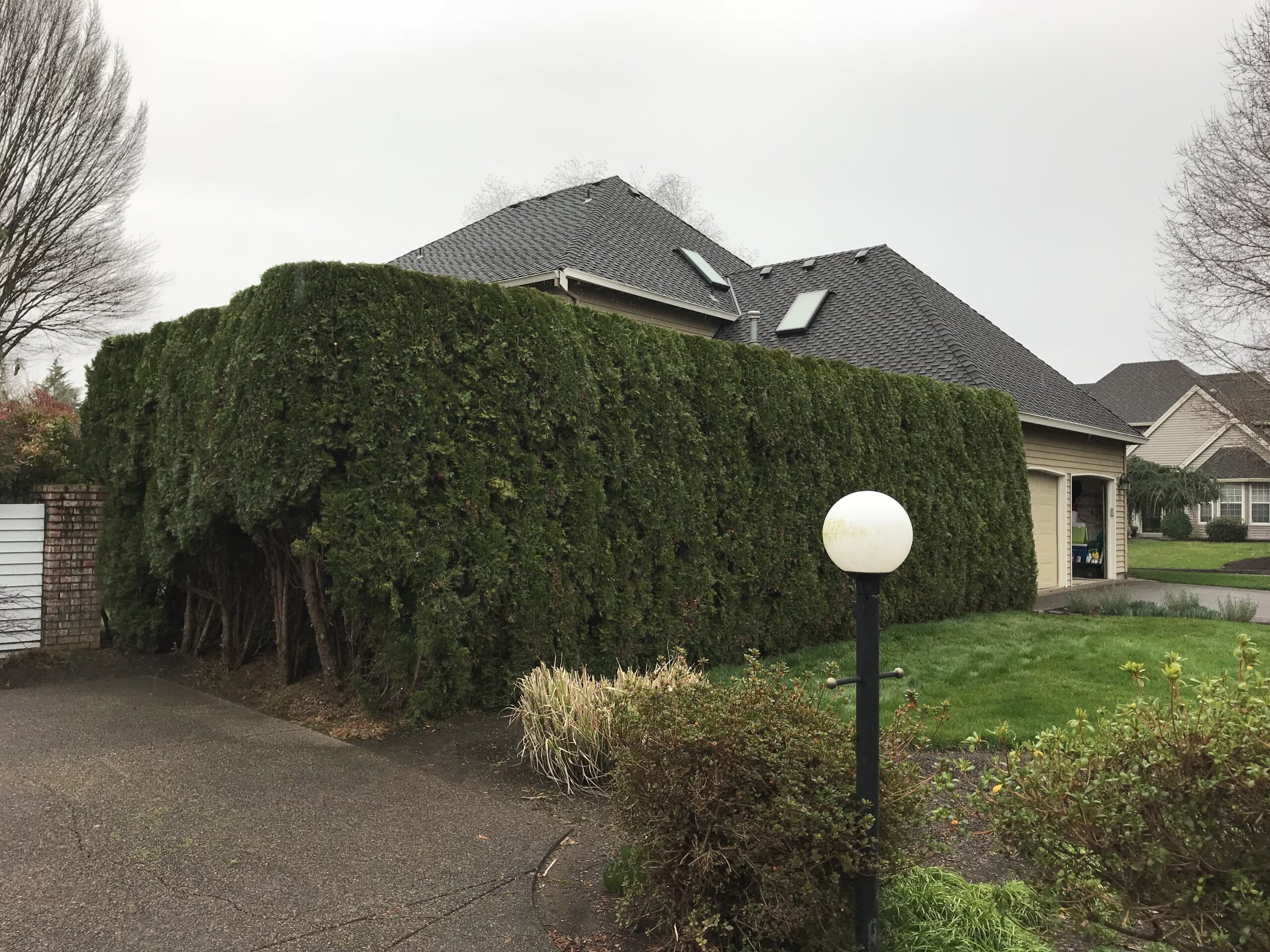
And yes, like everyone else, we do hedges too.
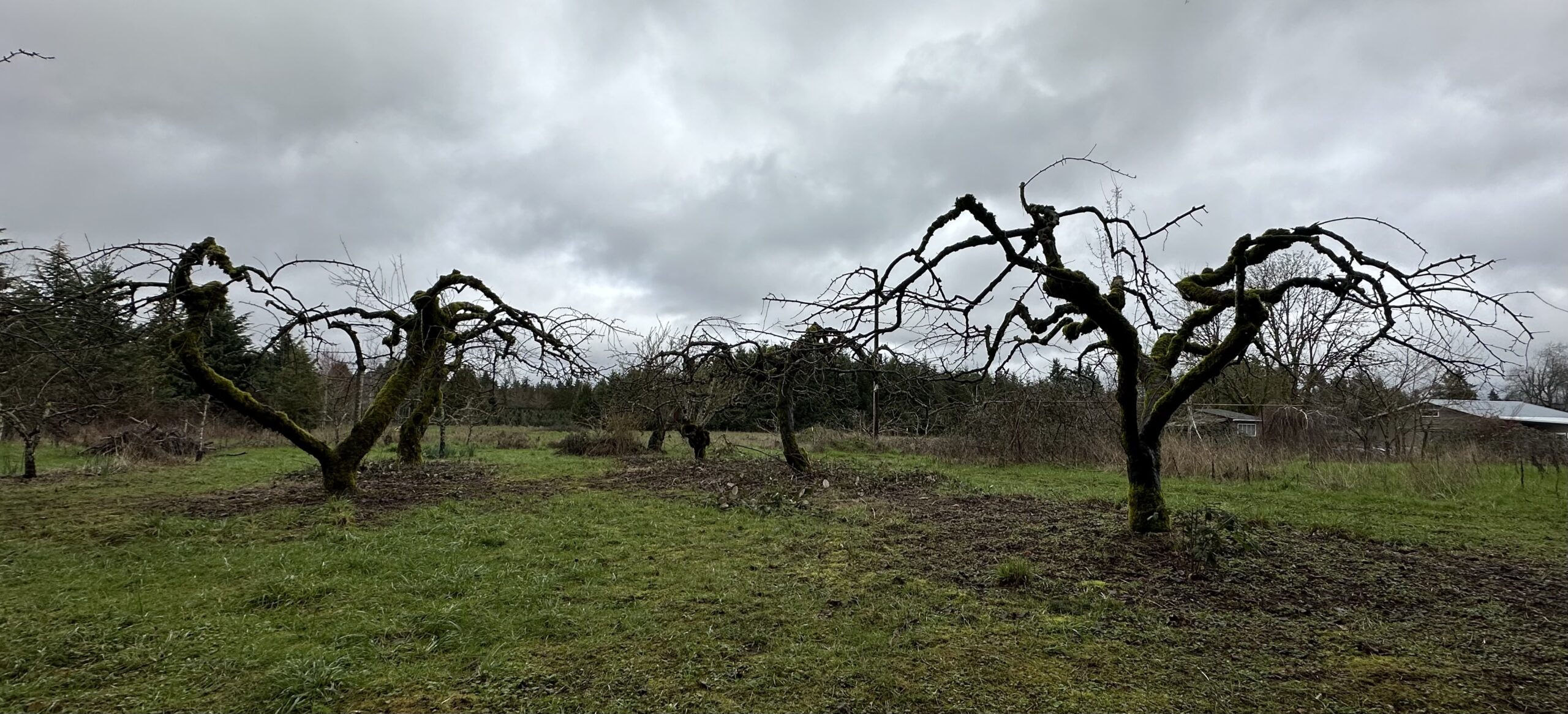
Add fruit trees to the list…

Call Good News Tree Service TODAY for a free price quote!

(503) 789-9881

Gutter Cleaning Reindeer?!

Who says that reindeer can’t clean gutters while they’re going from rooftop to rooftop on Christmas Eve?

Every year in December, we at Good News Tree Service do the gutter cleaning for one our HOAs for which we typically provides arboricultural services. With 265 townhomes, it provides work for the crew during a slower time of the year for tree services.

With family and friends coming to visit our clients, my crew was concerned about being on people’s roofs on Christmas Eve, since they’d be tromping around on the roofs cleaning gutters possibly being a bothersome disturbance to people on their special day. Well, we came up with a solution to a potential problem. My wife came up with the idea of putting reindeer antlers on the guys’ helmets. I thought the guys might think it was a stupid idea, but they actually enjoyed the fun humor of it all and let me tape the antlers to the helmets. They then posed for a photo op, and then hurried up onto the roofs to do their work.

We’ve got a great crew!

The Mowing Crew “Mowed” These Apple Trees!

Fruit trees are not a lawn to be mowed or a hedge to be sheared! So don’t let your gardener or your mow, blow and go guys touch (attack!) your fruit trees. All they know how to do is to shear things or hack and wack trees back to nothing! Rather, hire a qualified arborist to do your pruning, unless you want your trees and shrubs decimated!

The other day the Good News Tree Service crew went to a client’s house to prune their fruit trees. Unfortunately, the mowing crew, against the client’s wishes, had gotten to the fruit trees before we did.

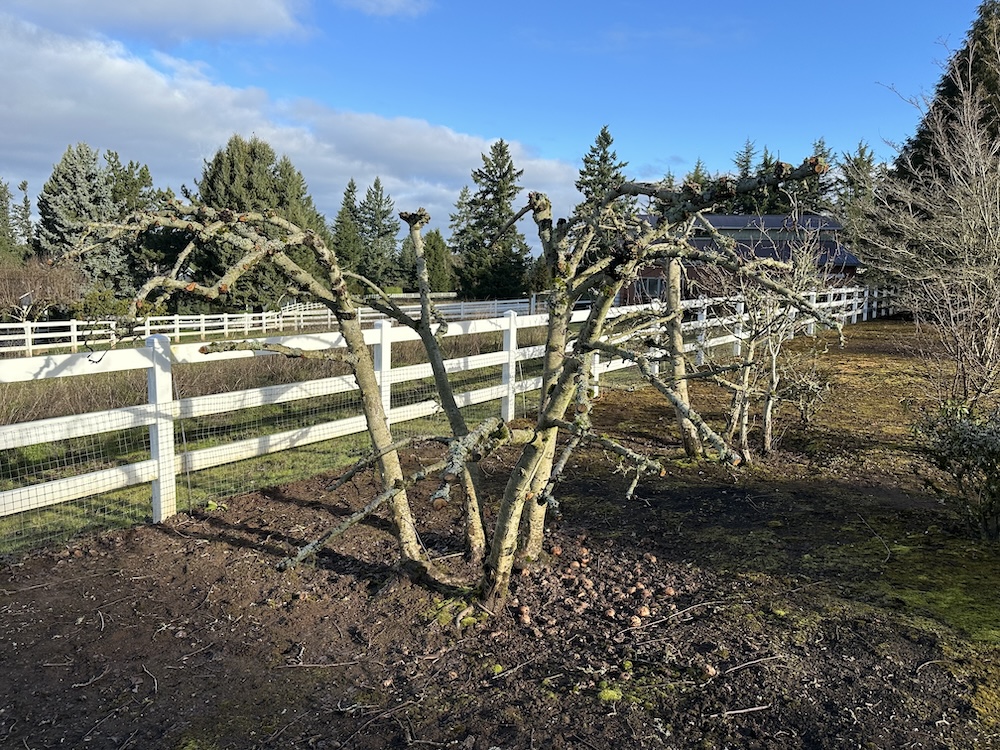
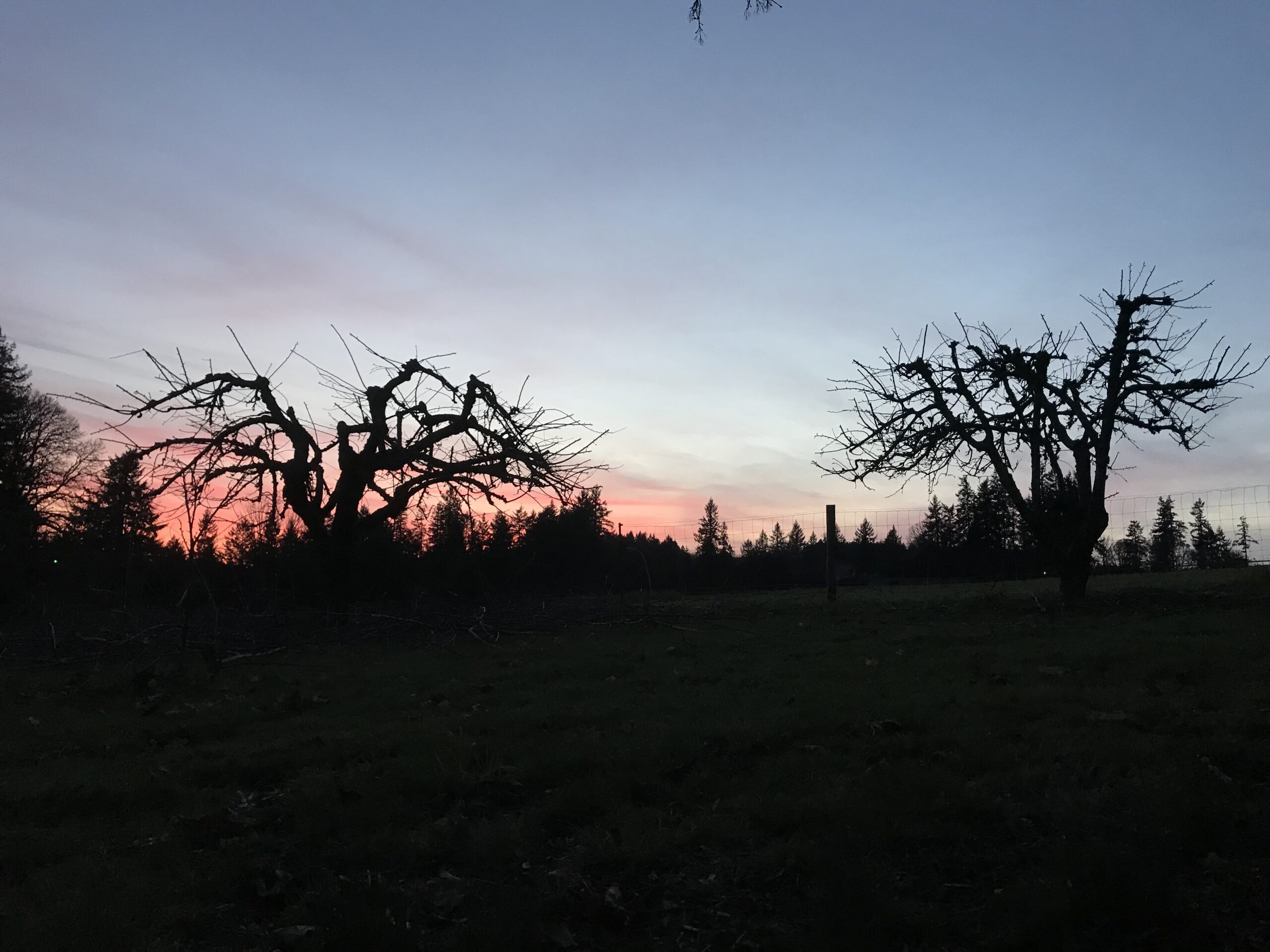
Here is the pathetic sight that greeted us — two apple trees hacked back to stubs and denuded of all fruiting wood! In my many decades of pruning fruit trees, I have never seen anything like this before. I was horrified!

These tree butchers had cut off all of the fruiting wood that we had carefully nurtured for many years. It will take several years before these trees produce new fruiting wood, and until then, they will bear no apples. Needless to say, our client wasn’t very happy about this sad state of affairs.

The problem in many of these situations is that the mowing crew speaks little or no English. I hear this again and again from my clients. Thus, a language barrier exists between the homeowner and the crew doing the work. You are telling them one thing, and think you’re saying something else, and off they go. Yikes! Yes, you save a little money by hiring cheap labor, but in the long run, you risk losing money in other ways. So do your homework and hire the right people for the job who know what they are doing.

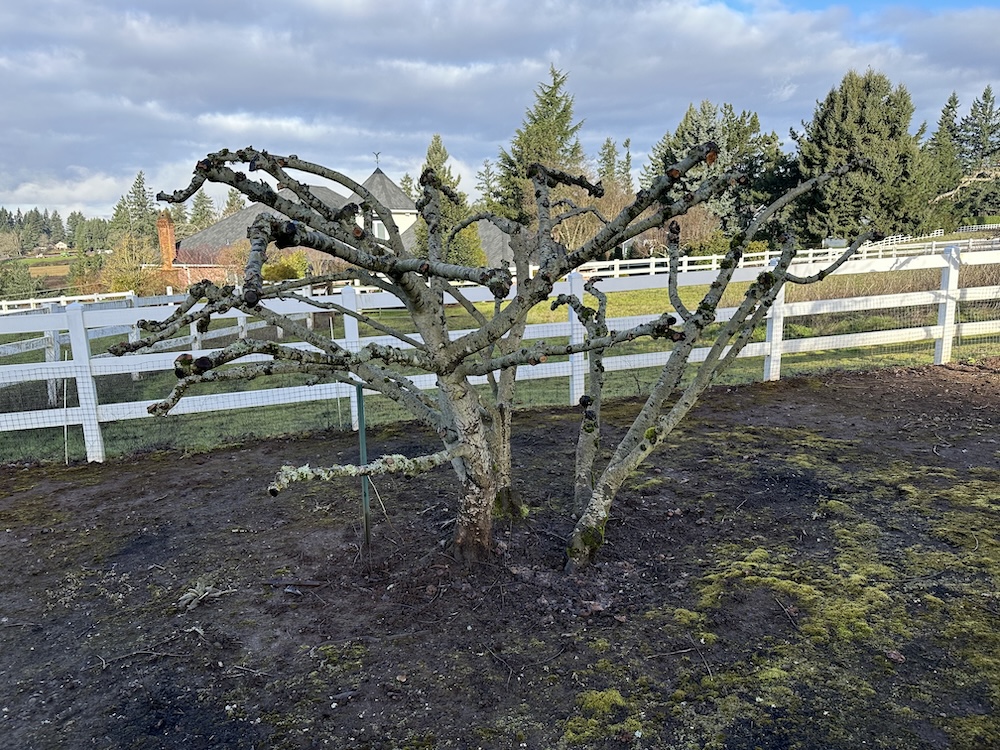
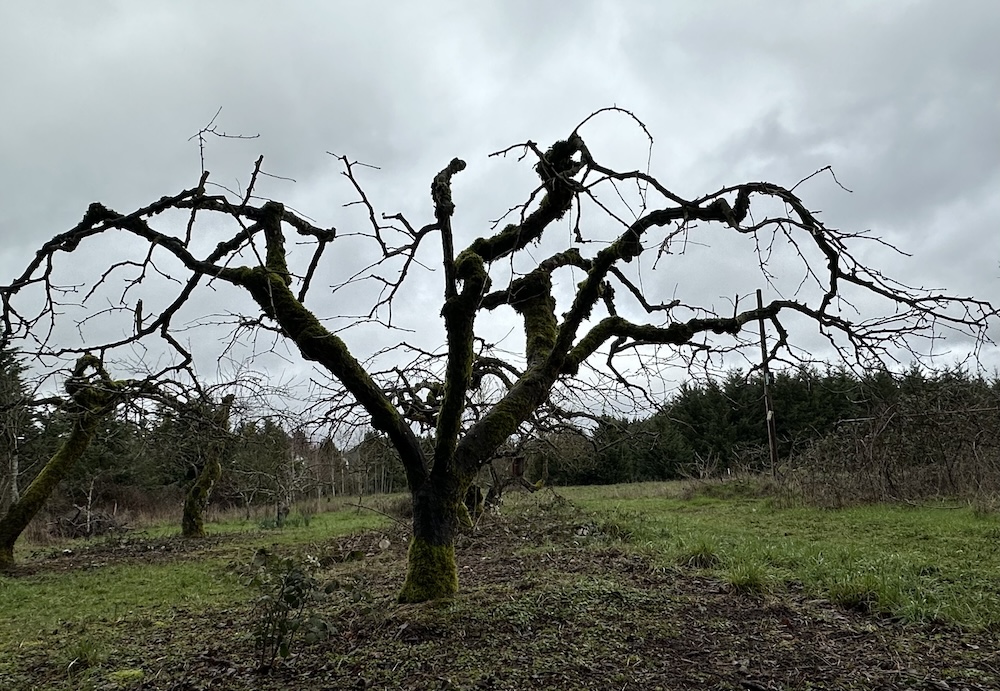
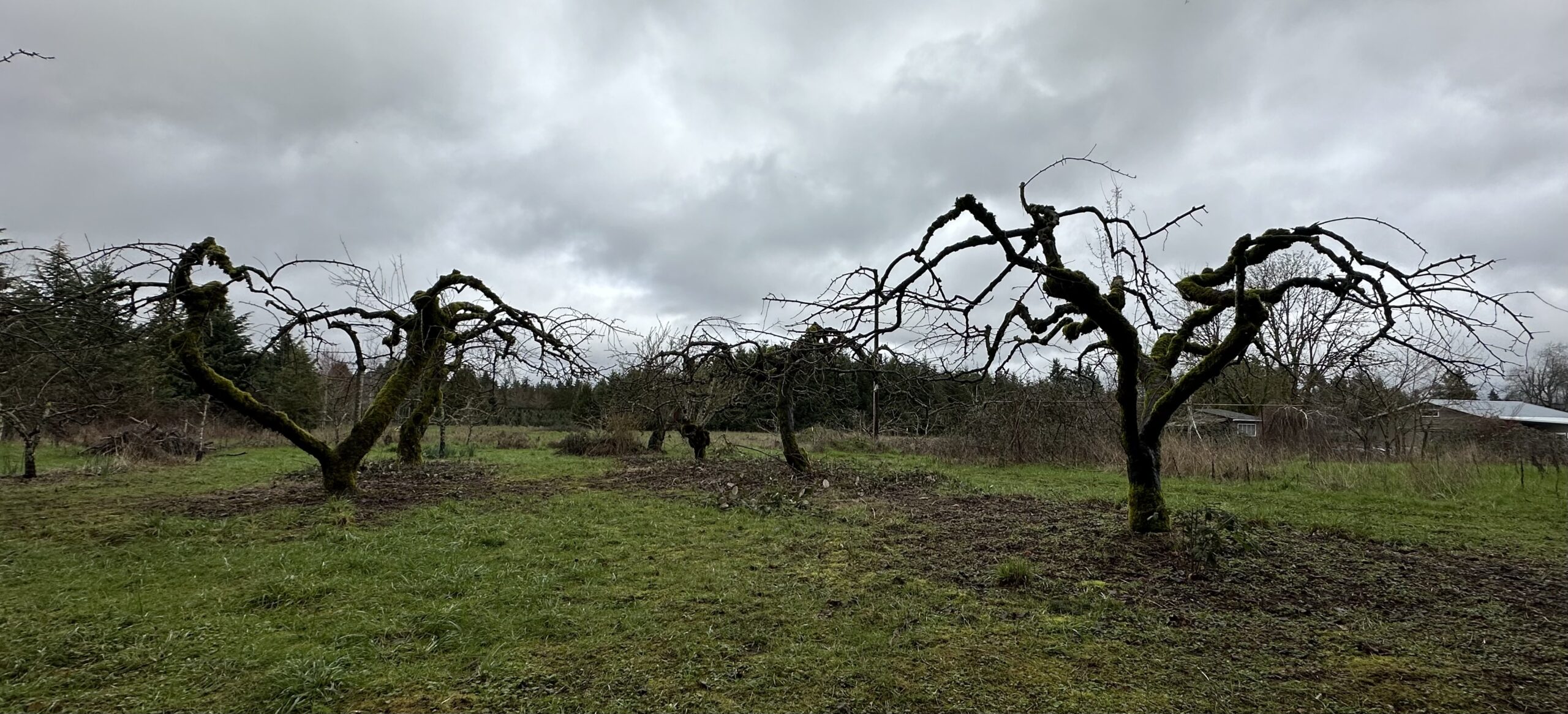
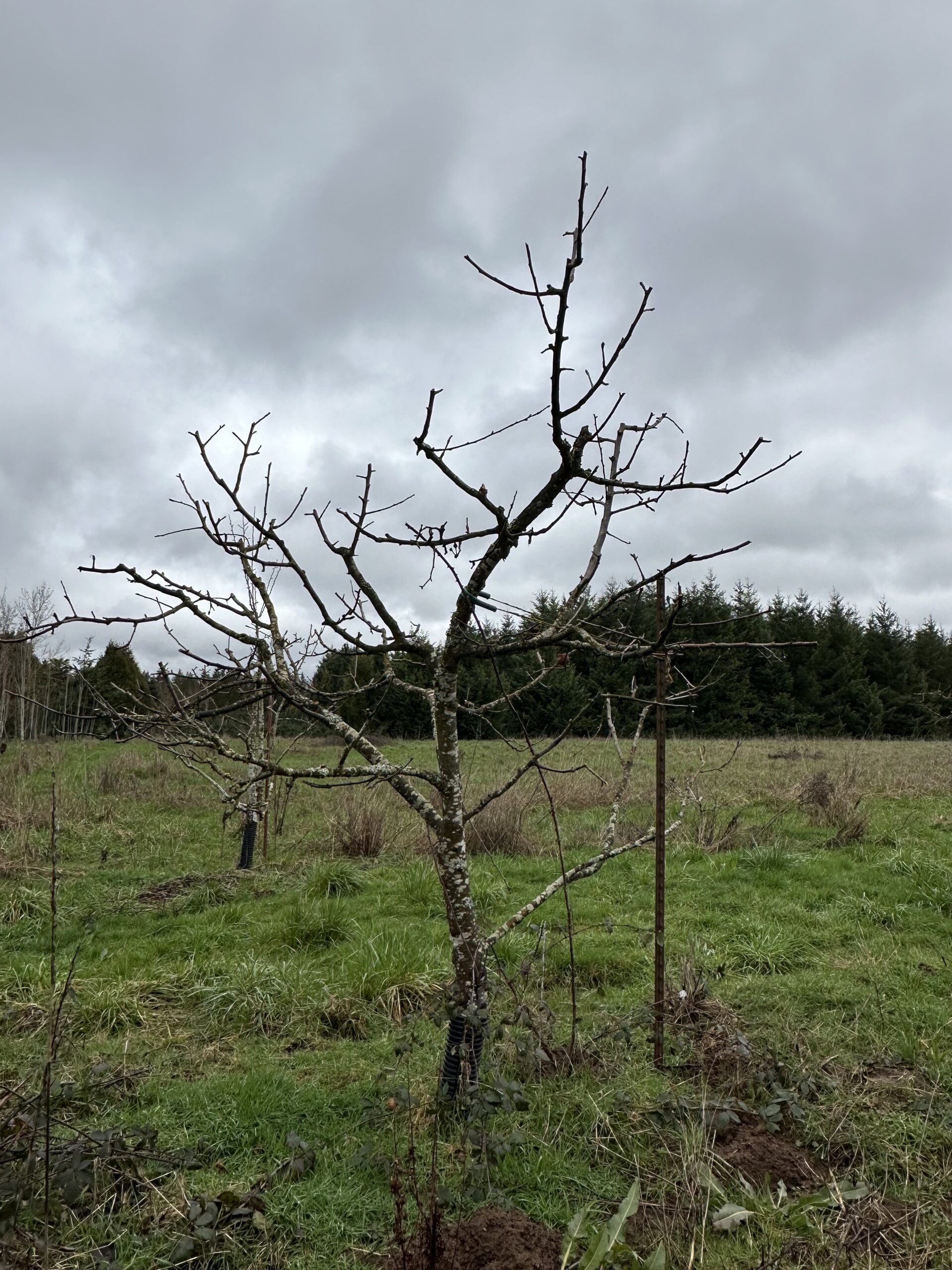
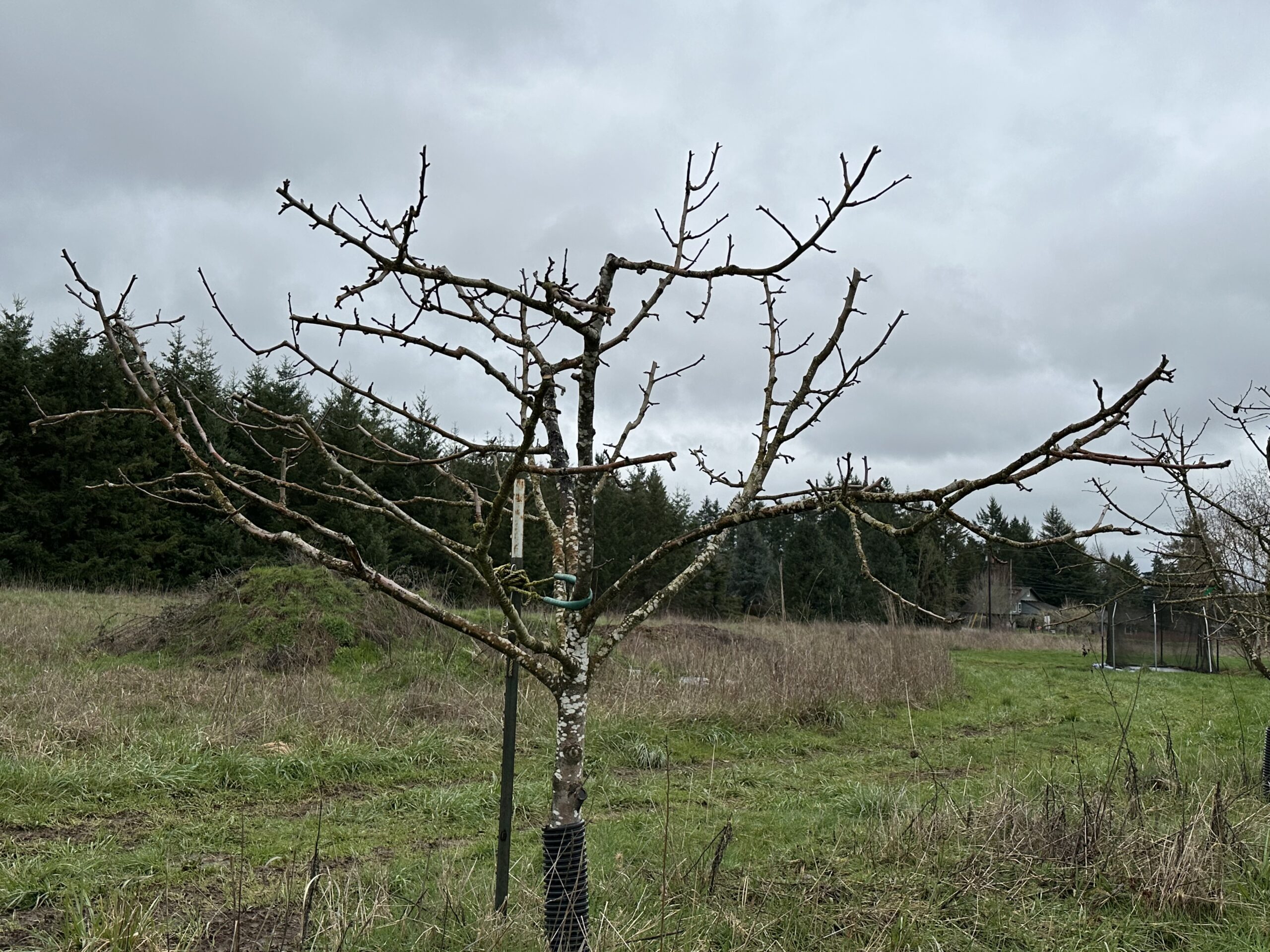
Here is what a well-pruned apple tree should look like:

Educated Arborists Make Better Arborists!

“Old fashioned service, modern techniques since 1985,” is one of the mottos of Good News Tree Service, Inc., and we mean it! To stay up with modern techniques, you have to stay up with new technology and the science of arboriculture. This means staying on the cutting edge (pun intended or not, your choice) of what’s going on outside of your own localized, professional ghetto. That’s why we attend conferences, go to workshops, read books and magazines, do online learning and earn credentials in various aspects of tree care.

Growing up in the family business working with shrubs and trees while learning from my father, and I thought I knew everything. Then I realized how little I really knew. Finally, after many years in my own tree service, I decided to do something about my ignorance. I studied hard and became an International Society (ISA) or Arboriculture Certified Arborist, then a State of Oregon Licensed Commercial Pesticide Applicator, an OSU Master Gardener and I earned an ISA Tree Risk Assessment Qualification. Along the way, I began attending conferences and workshops, and encountering others who knew more than I did. That’s also when my passion for trees was ignited, my business began to take off, and true professionalism became a reality rather than some vague idea. I had become a craftsman in my trade, not just a run-of-the-mill tree whacker!

Keep learning! Ignorance is not a badge of honor anywhere!

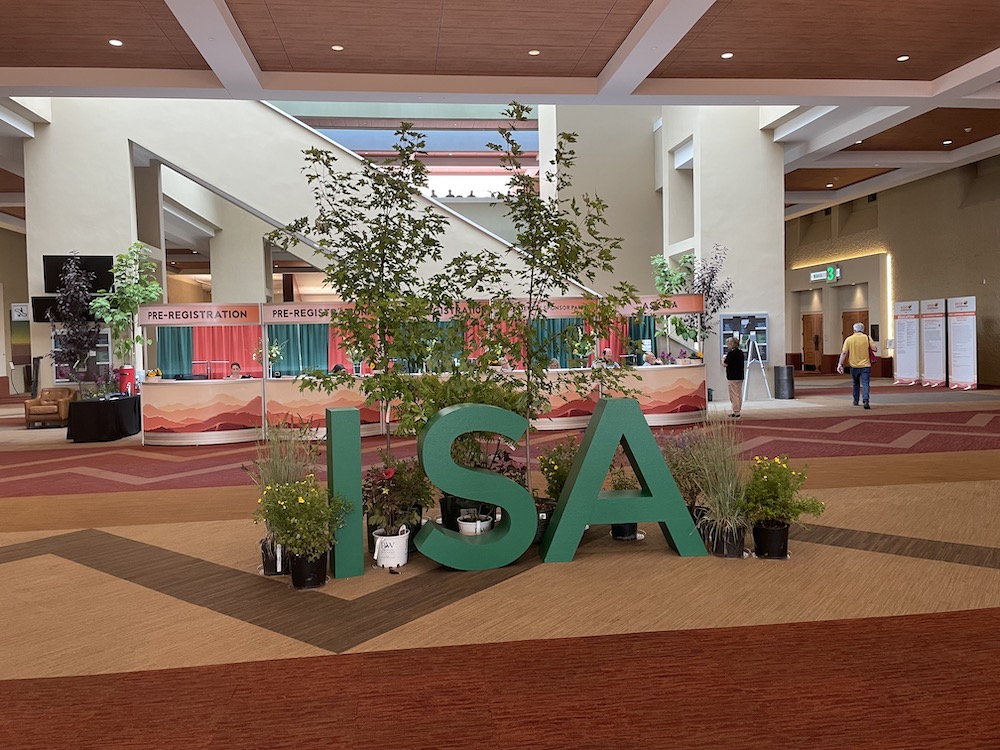
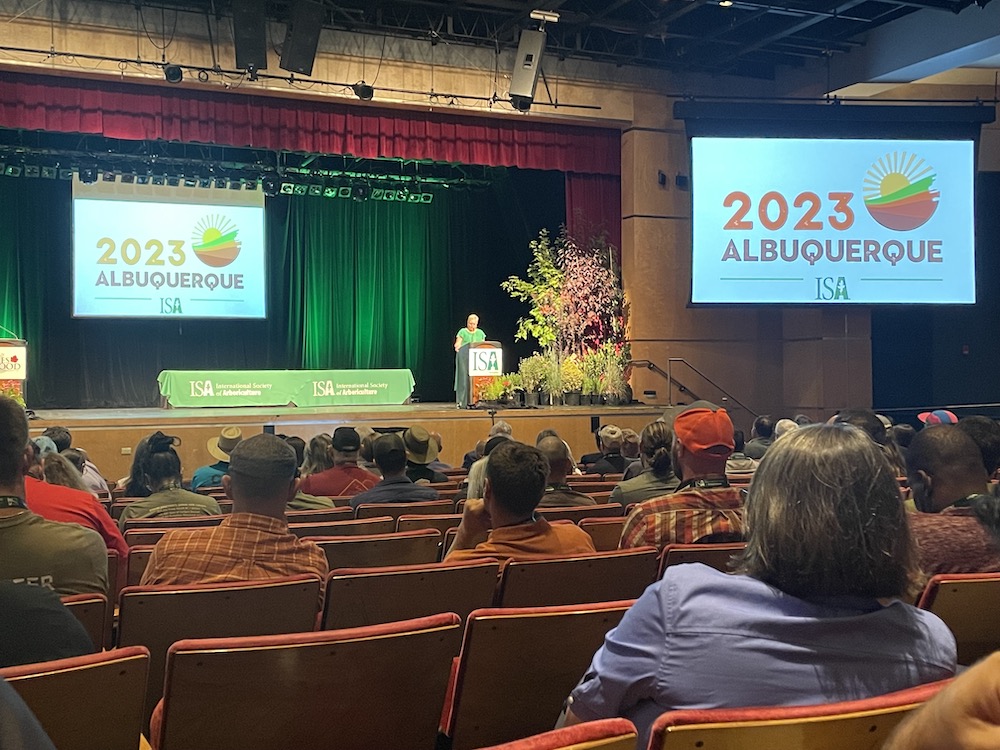
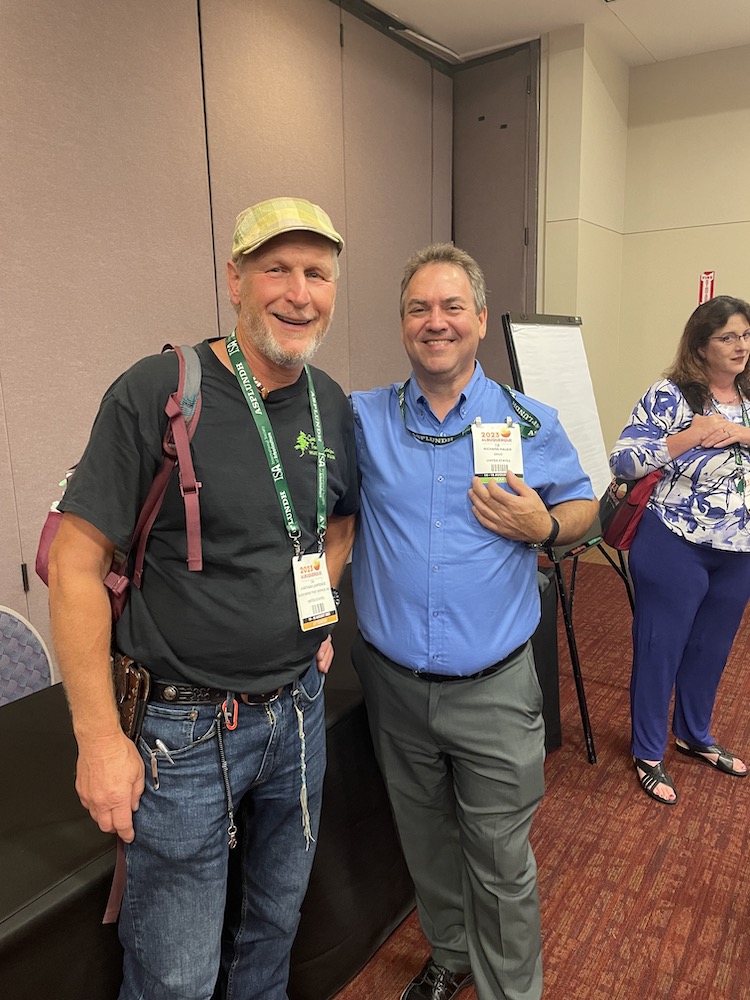
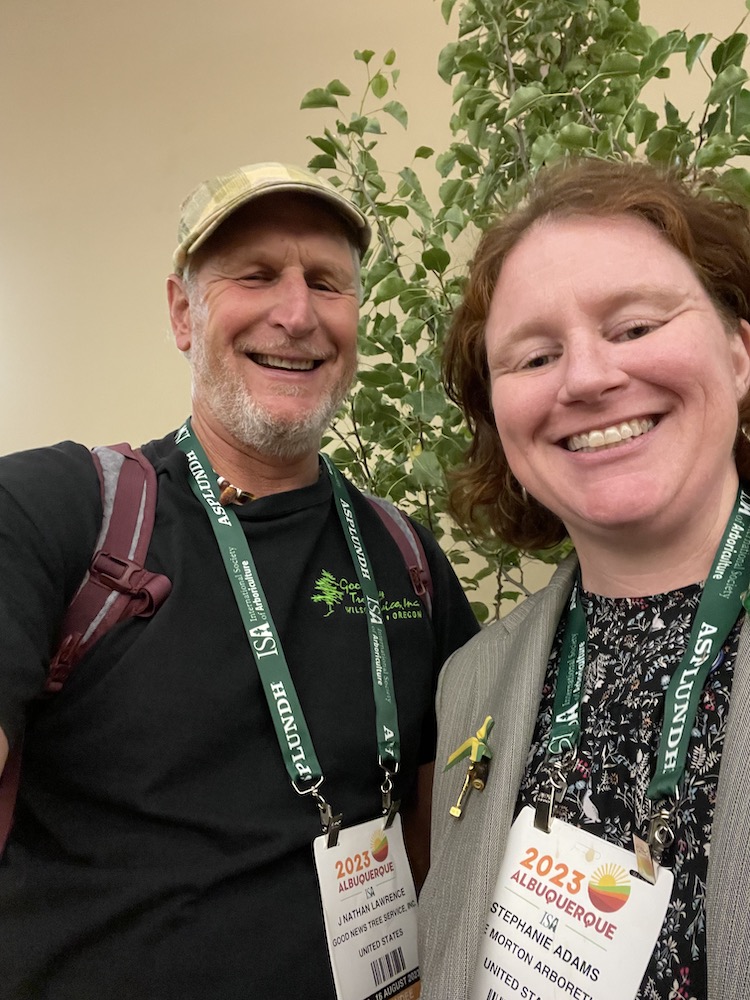
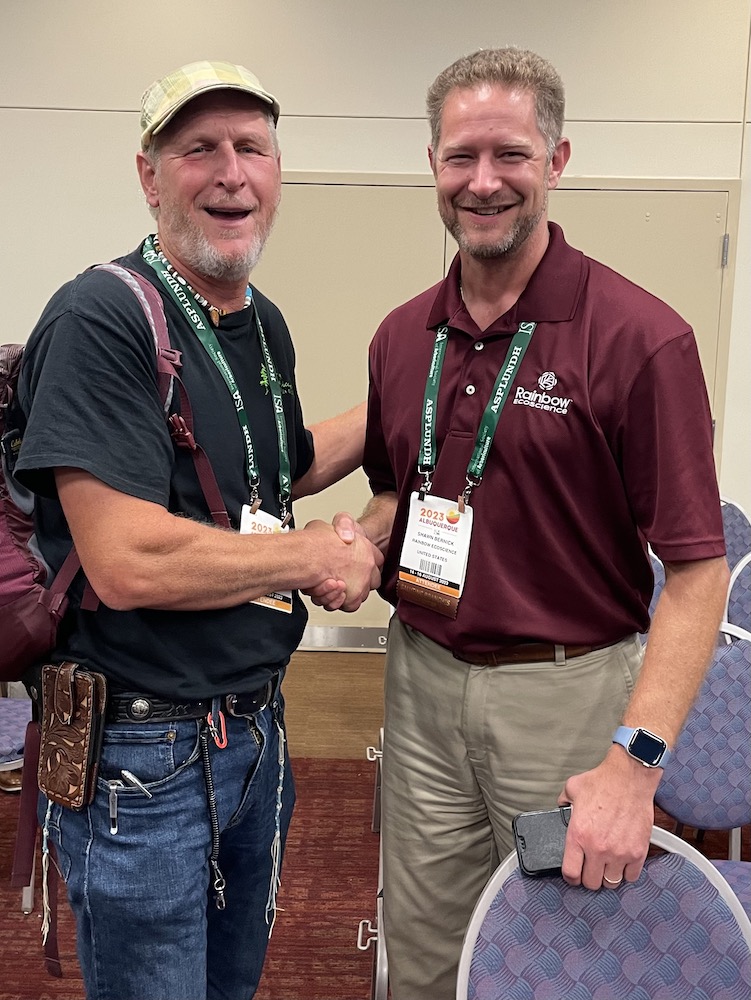
This brings us to the present. The 2023 ISA International Conference in Albuquerque, New Mexico just ended a couple of days ago where about 700 plus arborists from some 20 countries gathered for several days of 8 AM until 9 PM total immersion in all matters tree-related. Every tree care conference we attend is a literal tree-lover’s oasis — a who’s who in the world of tree care from top scientists, industry leaders, the CEOs of professional organizations, arborists, and world-renowned educators. This year was no exception. My son Jared and I attended many classes and workshops during our rendezvous in Albuquerque with other tree geeks. We came away with our heads bursting with new ideas and the latest scientific information to help us to be better craftsman arborists.

Here are are just a few of the people we hung out with and learned from at this year’s ISA conference:

Dr. Richard Hauer, professor emeritus of urban and community forestry at the University of Wisconsin, Stevens Point, is a leading expert on the invasive emerald ash borer among a plethora of other tree related subjects. Nathan and Jared have attended many of Rich’s lectures at three recent conferences.

Dr. Stephanie Adams, plant health care expert at the nationally renown Morton Arboretum in Lisle, Illinois, has taught Nathan and Jared about tree roots, plant pathology and tree health care at a couple of conferences in the last year. She has provided Nathan and many others with valuable information to help us become better arborist. Thank you Stephanie!

Shawn Bernick is the COO of Rainbow Ecoscience at Minnetonka, Minnesota which is a supplier of some of Good News Tree Service’s plant health care products and equipment. Shawn has provided Nathan with valuable technical info on choosing the right products and equipment in our tree care business. Our thanks goes out to Shawn and to Alison Herrell, Rainbow’s local rep, for their excellent customer service.

Next year, Nathan and Jared plan to be in Atlanta, Georgia, for the ISA’s international conference as it celebrates its 100th anniversary as the world’s leading arboricultural professional organization. Nathan is planning to be one of the speakers at that conference.

The Emerald Ash Borer Tree Killer—What it is and what to do about it

There’s a new tree pest in town called the emerald ash borer (or EAB) and it wants to kill all the ash trees in this area.

The Emerald Ash Border (or EAB) was discovered in the summer of 2022 in hundreds of trees in the Portland Metra area and is spreading rapidly throughout the region. 

According to the Oregon Department of Agriculture, the EAB “is a highly destructive invasive forest pest” that has killed over 100 million ash trees so far in the US. It moves quickly, and can cause nearly complete mortality of ash trees within about several years after detection. There are no effective means of eradicating the EAB once the insect is established in an area. Once a tree canopy has been thinned or been reduced by 20 to 30 percent or more by EAB feeding activity, it is too late to save the tree. It will die.

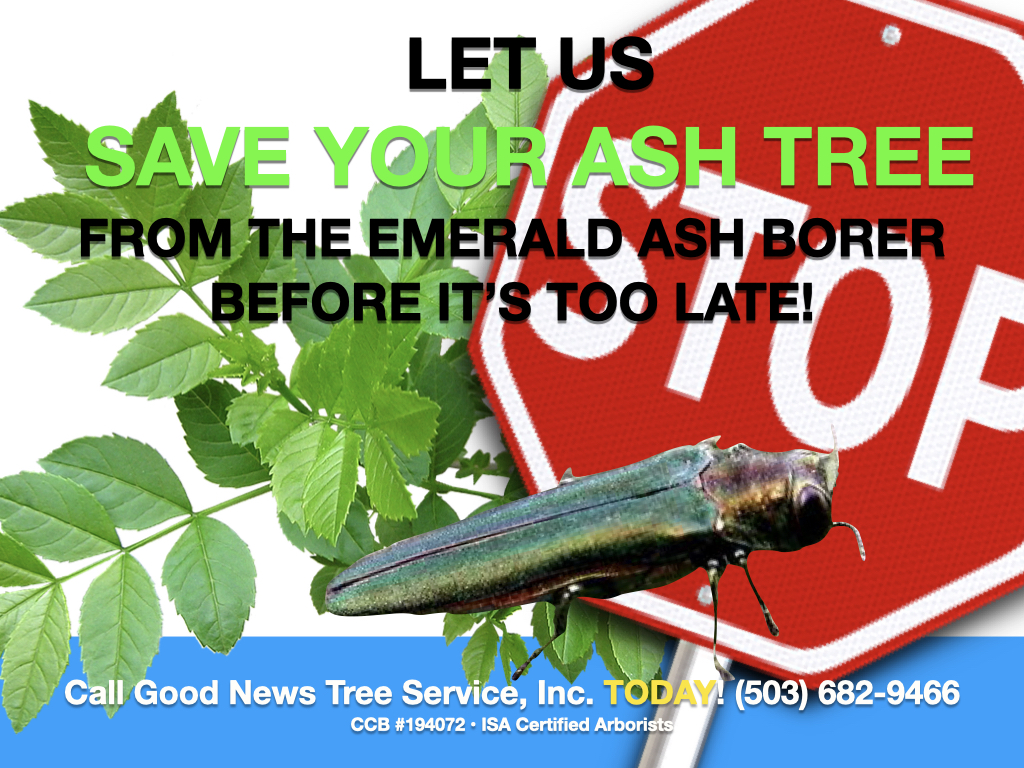
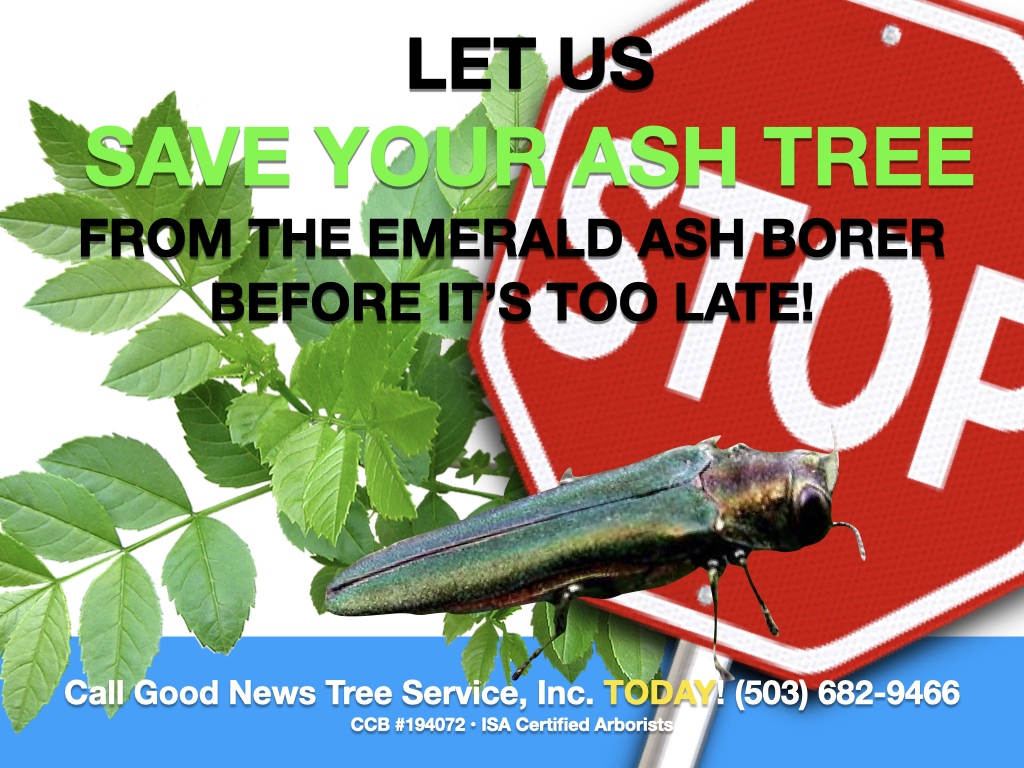
Good News Tree Service, Inc. can save your ash tree from the EAB beetle before it’s too late. CALL US TODAY FOR MORE INFO!

Frequently Asked Questions About the EAB

What trees species does the Emerald Ash Borer  attack?

The EAB attacks all varieties of ash or Fraxinus trees regardless of variety, size, age or the health status of the tree. It also attacks the white fringetree (Chionanthus virginicus) and cultivated olive trees (Olea europaea).

How quickly does EAB spread? 

The beetle can fly several miles (sometimes up to 15 miles) from one infested tree to one that is not. However, the most likely means by which the EAB spreads is thought to be by hitchhiking on vehicles and by translocated firewood. That’s why the EAB is more likely to spread to trees in areas along major freeways and highways, which opens up the entire Willamette Valley to the EAB.

How quickly will the EAB kill my tree? 

An ash tree usually dies within four to six years after initial infestation. For the first couple of years of EAB infestation, it may be impossible to detect EAB activity in a tree, which is why trees worth saving need to be treated earlier rather than later.

What are the signs that my tree has EAB?There are several including:

  • Thinning of a tree’s crown.
  • Branch dieback.
  • Woodpecker activity.
  • One-eighth inch sized  capital “D” shaped holes in the bark of the tree.
  • Splitting bark.

Progression of EAB symptoms in a tree, which may occur a couple of years after the tree has already been infested include:

  • Year one: no crown thinning.
  • Year two: moderate crown thinning.
  • Year three to four: heavy crown thinning and death.

What are my options when it comes to EAB?

  • Do nothing. Then wait for your tree to die as you unwittingly facilitate the spread of the EAB to your neighbors’ ash trees.
  • Remove the tree. If your ash tree is small (smaller than six inches in diameter), we recommend removing it and replacing with another species of tree. The cost to remove an ash tree and its stump can be $1,500 or more. This does not factor in the diminished value to your property that the removal of a mature tree will cause. In Portland, for example, the assessed value of mature ash tree is $3,12013.  Plus, this not cover the cost to replace the tree, which is often a requirement in many municipalities.
  • Treatment. Considering treating high-value ash trees with an insecticide, which is a proven way of protecting your tree. Keep in mind that this will cost hundreds of dollars and must be repeated every few years, thus requiring a long-term commitment. 

Is there anything I can do to protect my ash tree?

Other than treating your tree with a systemic insecticide, the answer is no.

How effective are treatments?

If an ash tree is treated in time, usually before 20 to 30 percent defoliation occurs, the survival rate is about 99 percent. After that level of defoliation occurs, will die the tree thus becomes a standing hazard requiring removal.

What is the cost to treat my ash tree for EAB? 

The cost to treat an average sized ash tree (20 inch diameter at breast height) is around $300 to $400 (or less for quantity discounts). Generally one can treat an ash tree for 20 to 30 years for the same cost as removing it and replacing it with another tree. Often local municipalities require that you replace your tree especially if it is a street tree, which adds to the overall cost of removing a tree.

How often do I need to treat my tree? 

An ash tree will need to be treated only once very two to three years, and will need to be treated for the life of the tree.

How are the treatments applied and are they environmentally safe? 

Yes! Absolutely. The systemic insecticide we use is injected directly into the tree’s vascular system (like and IV), so it all goes into the tree, thus there is no residue present to harm pets or people. The product we use also doesn’t harm bees or other pollinators.

More Info About EAB

Oregon State University Extension Service— general info: https://extension.oregonstate.edu/forests/cutting-selling/what-do-about-emerald-ash-borer-recommendations-tree-protection-eab

Oregon State University—EAB identification guide: https://catalog.extension.oregonstate.edu/sites/catalog/files/project/pdf/em9160.pdf

OSU Extention Service–general info and more links: https://extension.oregonstate.edu/announcements/emerald-ash-borer-quarantine-adopted-washington-county-effective-dec-20-2022-may-16

OSU Extention Service:
https://extension.oregonstate.edu/forests/cutting-selling/what-do-about-emerald-ash-borer-recommendations-tree-protection-eab


Footnotes

1–EAB confirmed in Oregon: https://www.aphis.usda.gov/aphis/newsroom/stakeholder-info/stakeholder-messages/plant-health-news/eab-or

2–Oregon Department of Agriculture: https://www.oregon.gov/oda/programs/IPPM/Documents/EmeraldAshBorer.pdf

3– Oregon Department of Forestry: https://static1.squarespace.com/static/58740d57579fb3b4fa5ce66f/t/60772a17647ad466155f74a7/1618422303582/March+2021_EAB.pdf