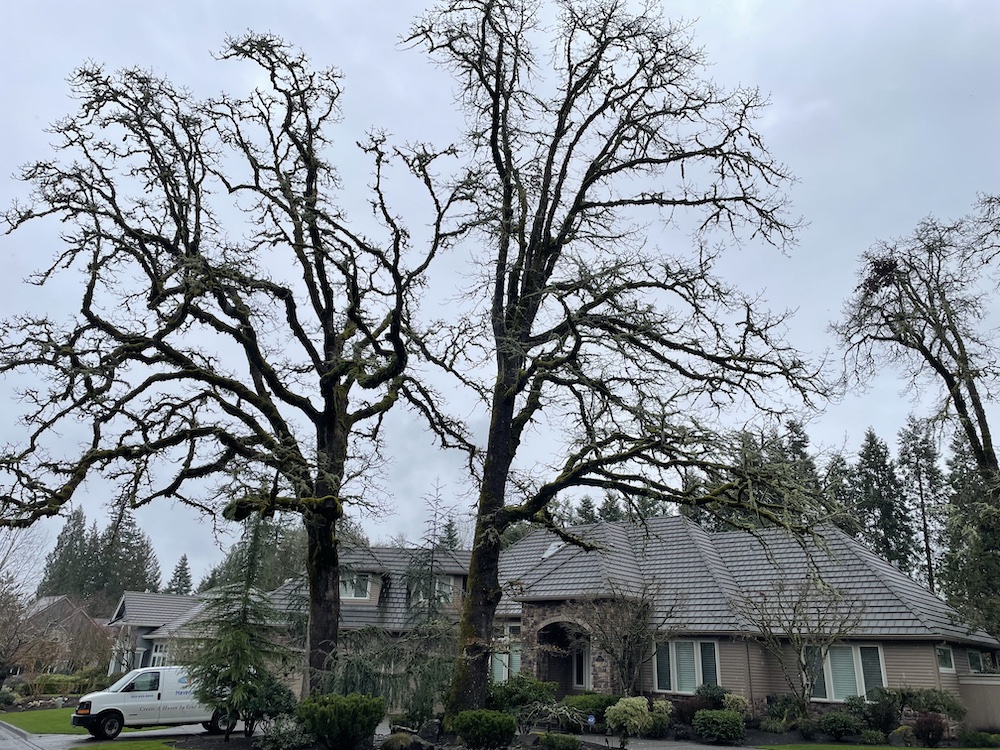
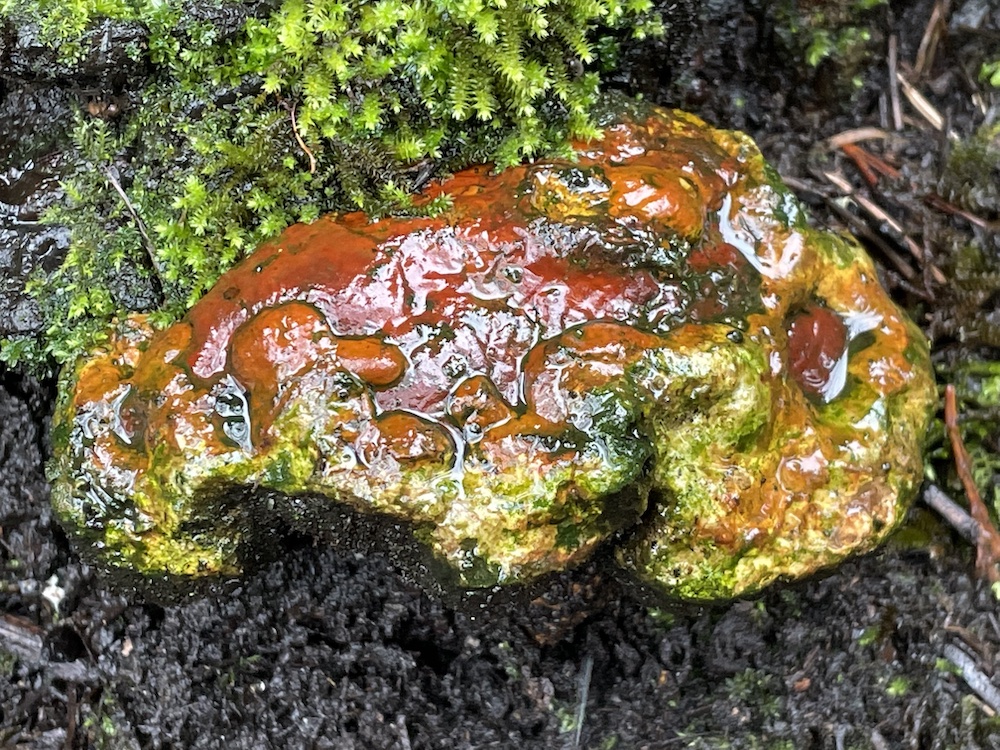
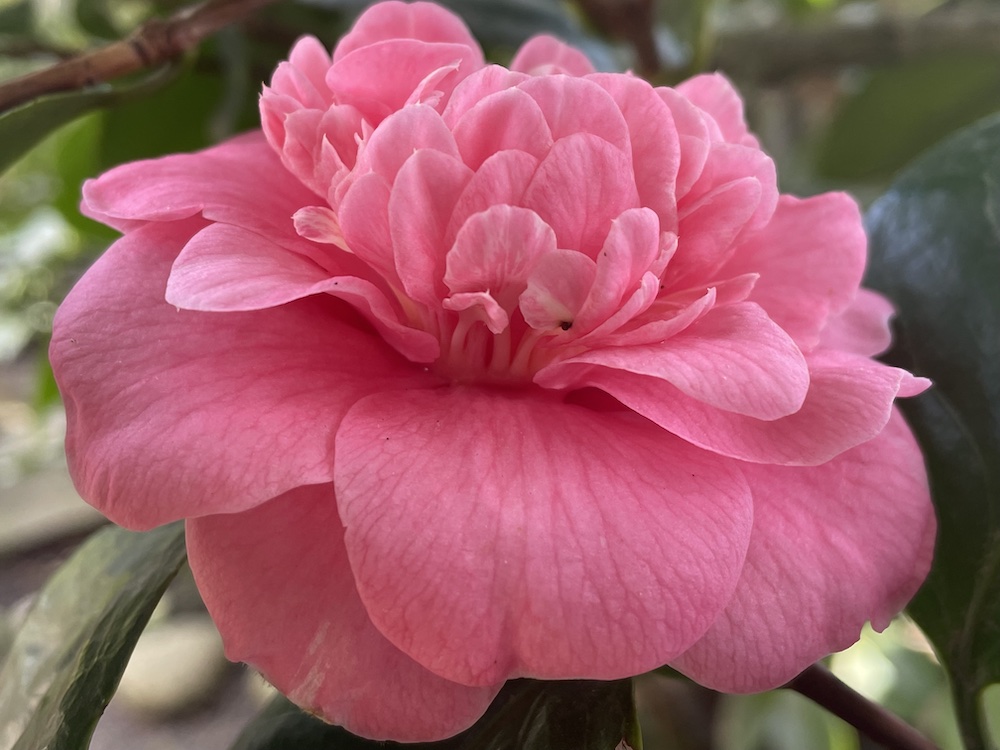
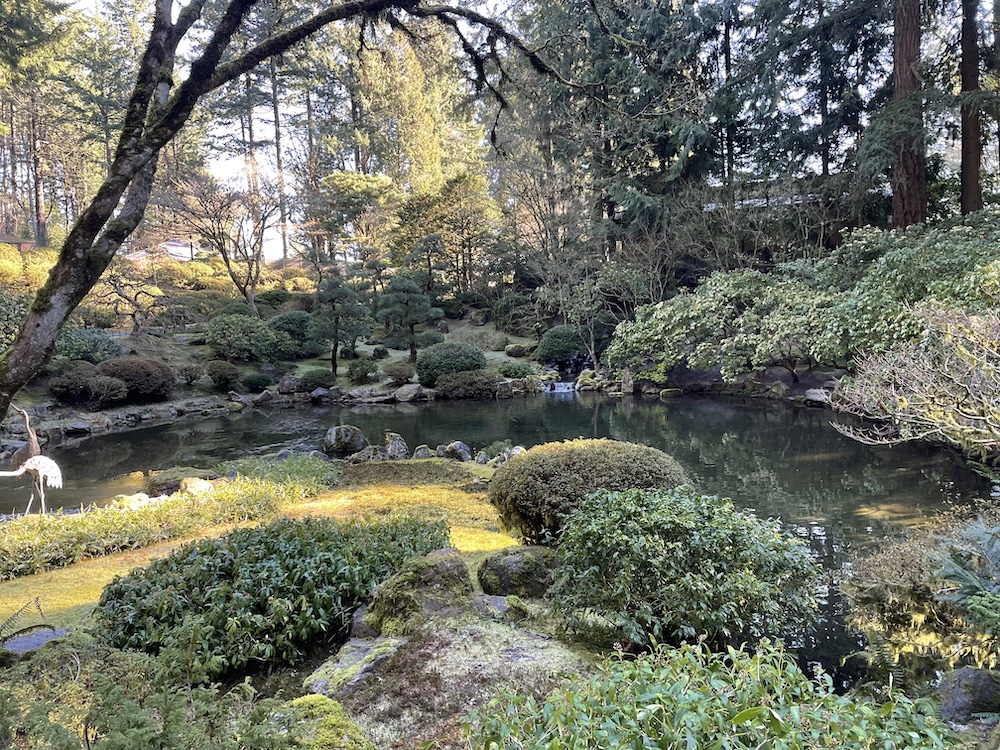
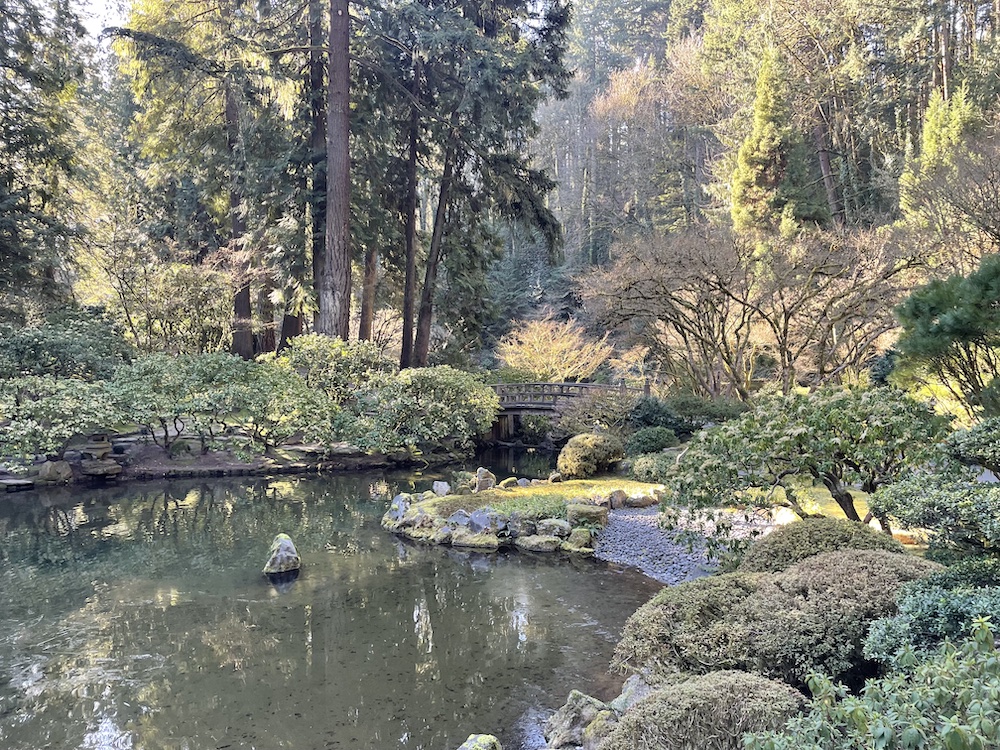
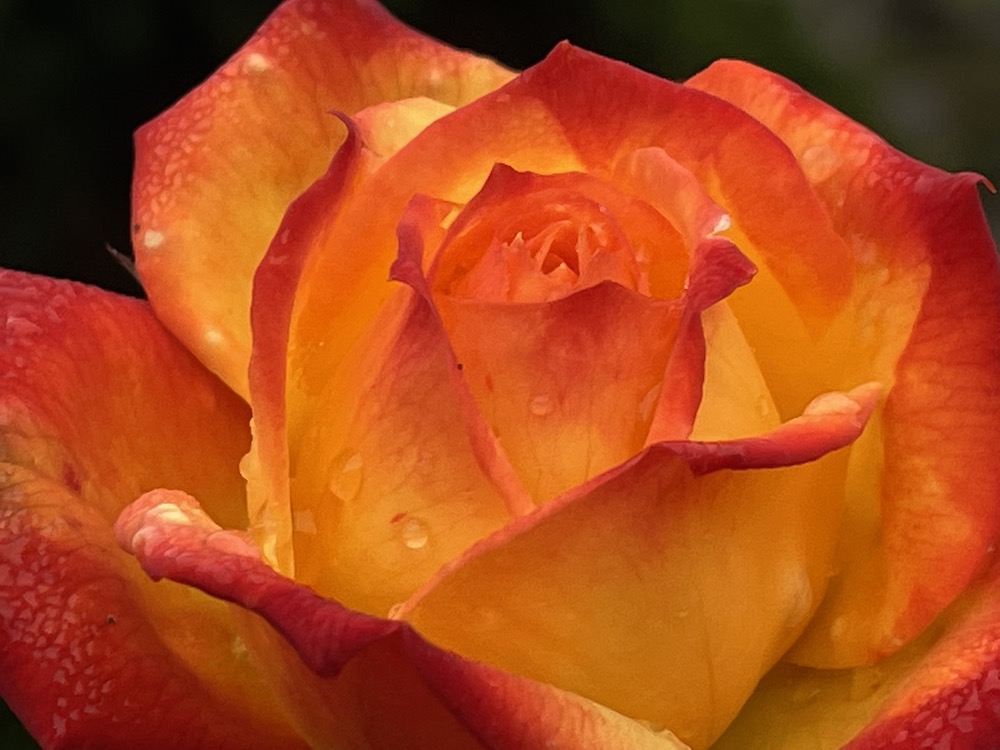
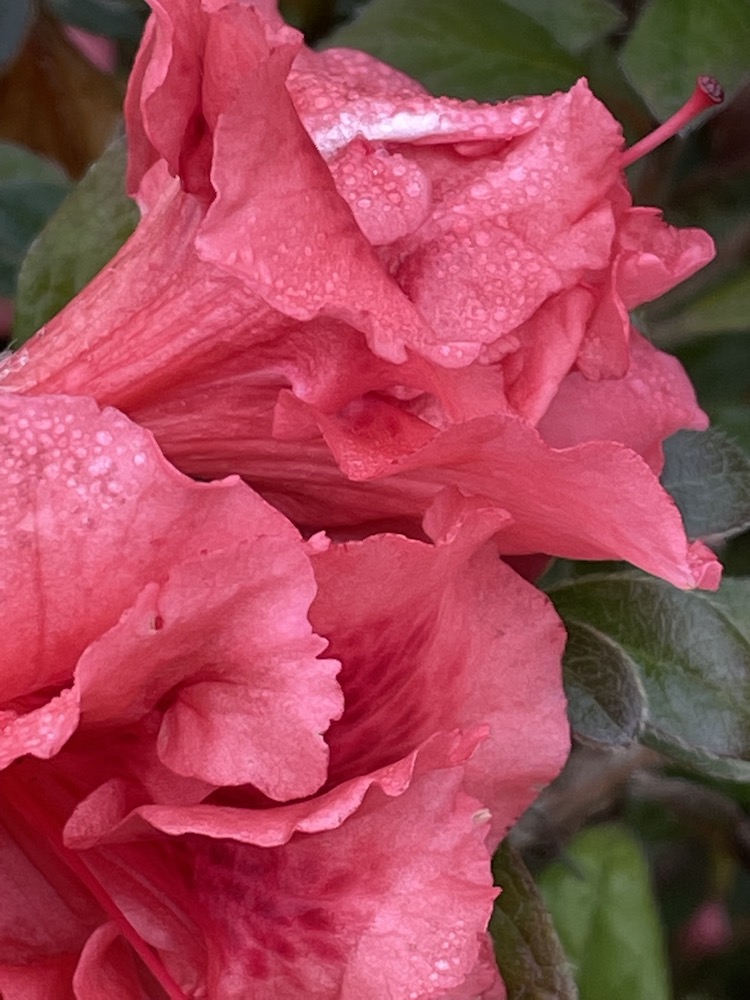
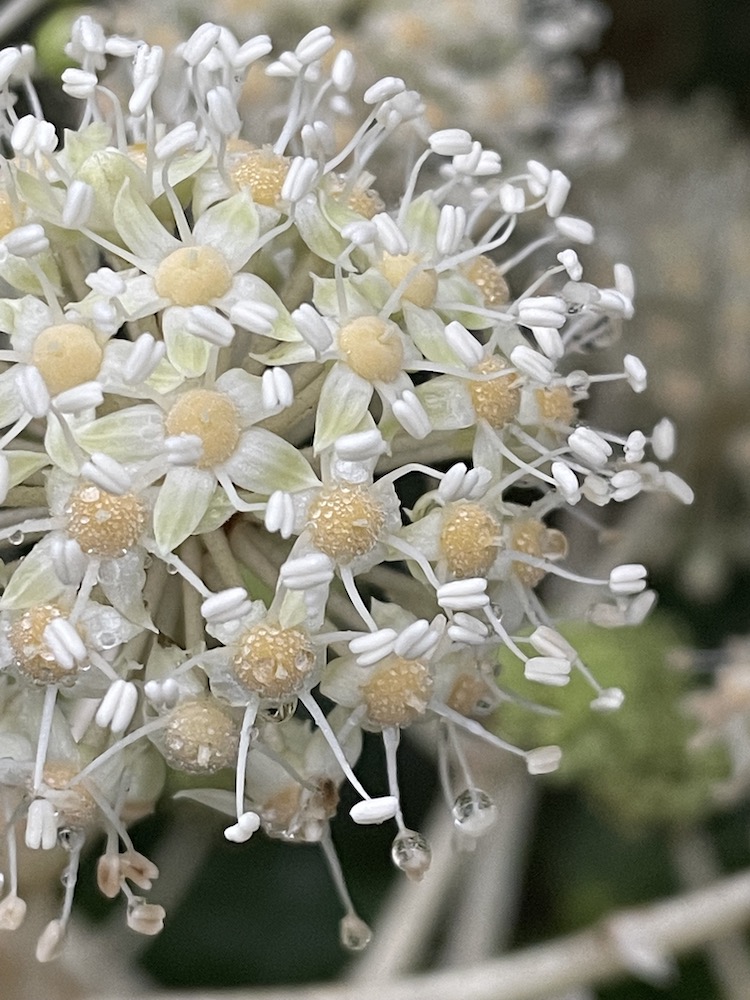
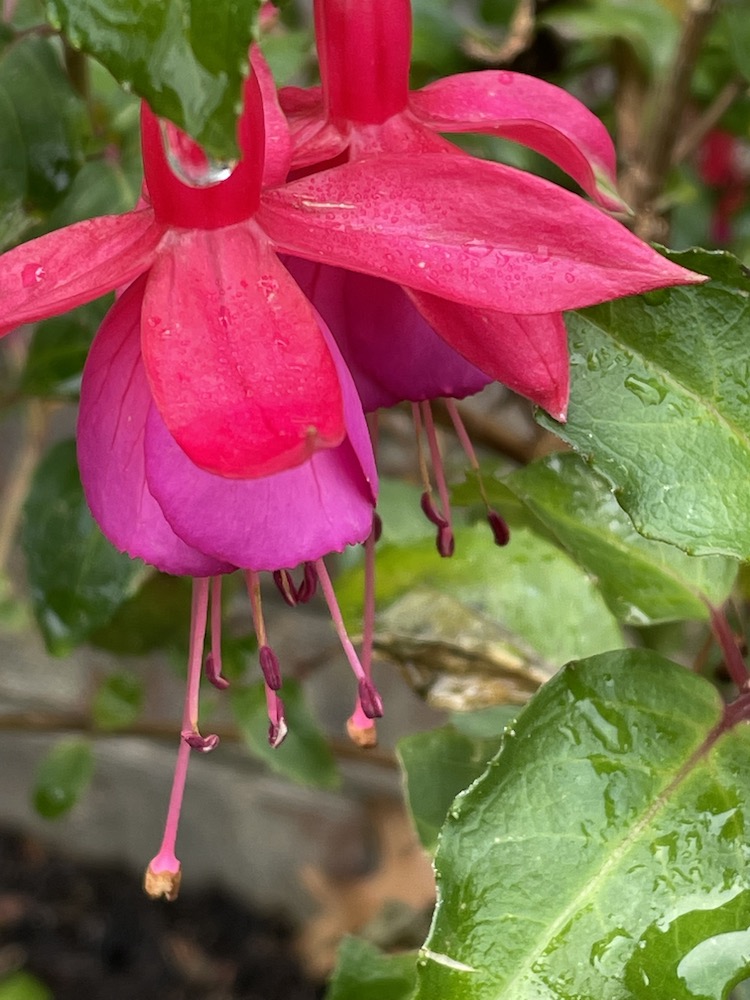
Watch Nathan and his son prune out a two large hinoki cypresses in one of Portland, Oregon’s most exquisite residential Japanese gardens. This video also includes a quick tour of this spectacular garden originally designed and constructed by world renown Japanese landscape architect and landscaper Hoichi Kurisu and was later added to by Taru Tanaka. Kurisu helped to design the internationally acclaimed Portland, Oregon Japanese Gardens and Tanaka later was its curator for many years. For more info on the Portland Japanese Gardens, go to https://japanesegarden.org and https://en.wikipedia.org/wiki/Portland_Japanese_Garden.
A Hemlock Pruned in the Chinese Style
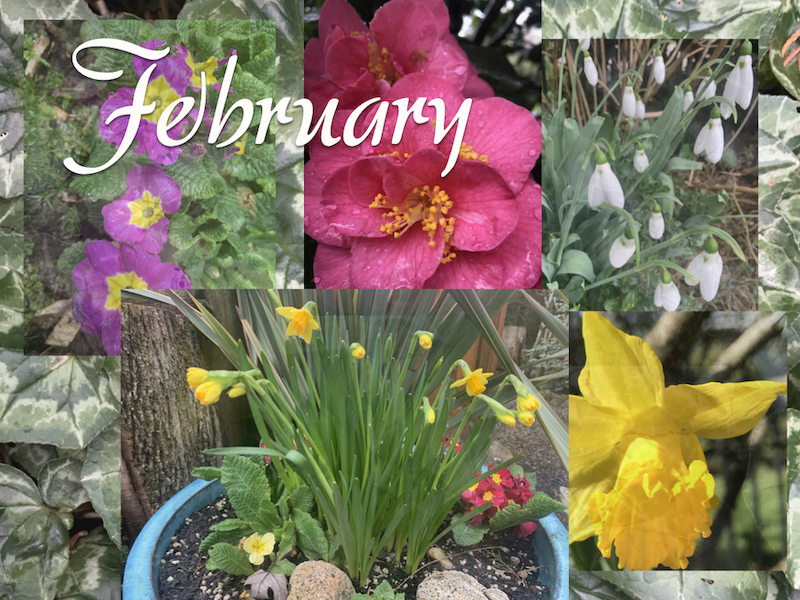
February in the Garden—A To List
This guide is tailored for the western valleys of Oregon and Washington.

YOU can help to make the world a better, a more friendly, loving and beautiful place by being a good steward of the spot on this earth, your garden, that you have been given the privilege of borrowing for a time. It is our hope that the following to-do list will help you to do just that.
Nathan, the Treevangelist, urges you to treat your spot on this planet like your own personal Garden of Eden. May it become your personal paradise. This is your divinely mandated responsibility. Your trees, shrubs, flowers and the wildlife in your yard will pay you back as they express their smiling appreciation to you and yours by radiating their love, joy and beauty bursting forth with vibrant and verdant life. Below is a to-do list to help fulfill this mission.
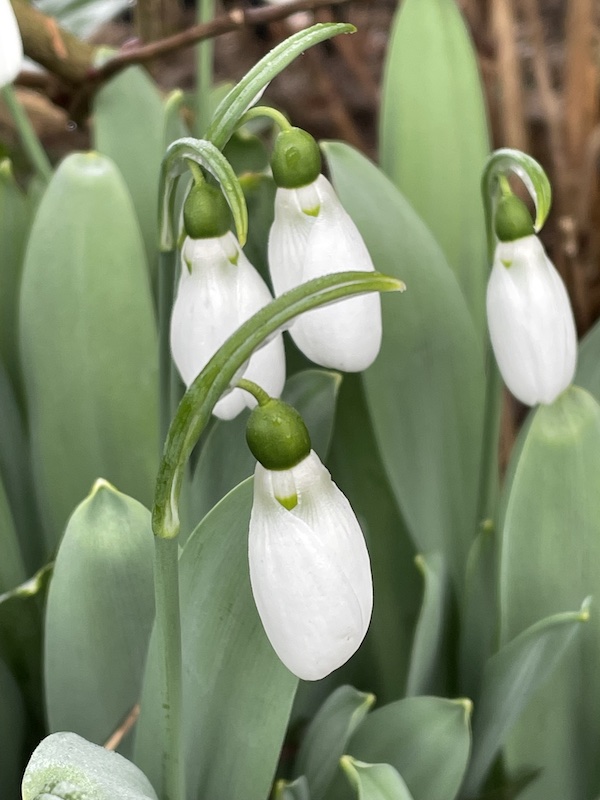
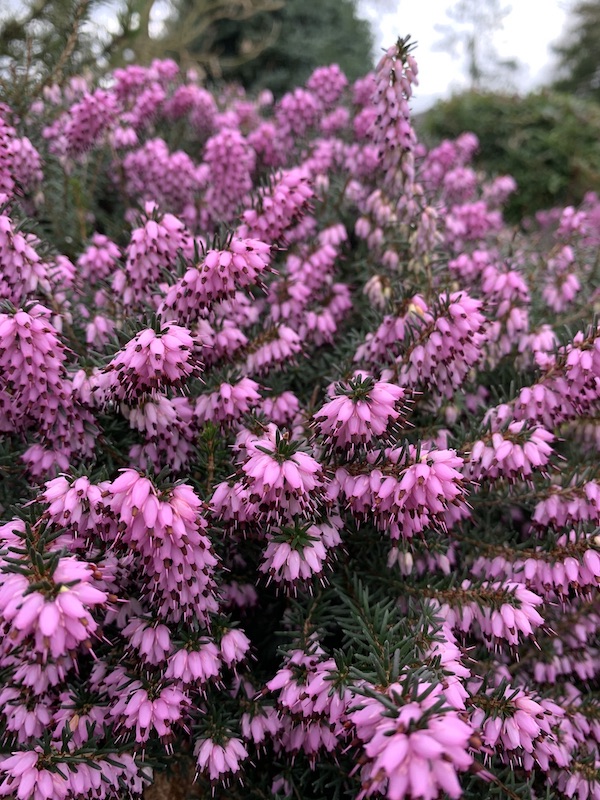
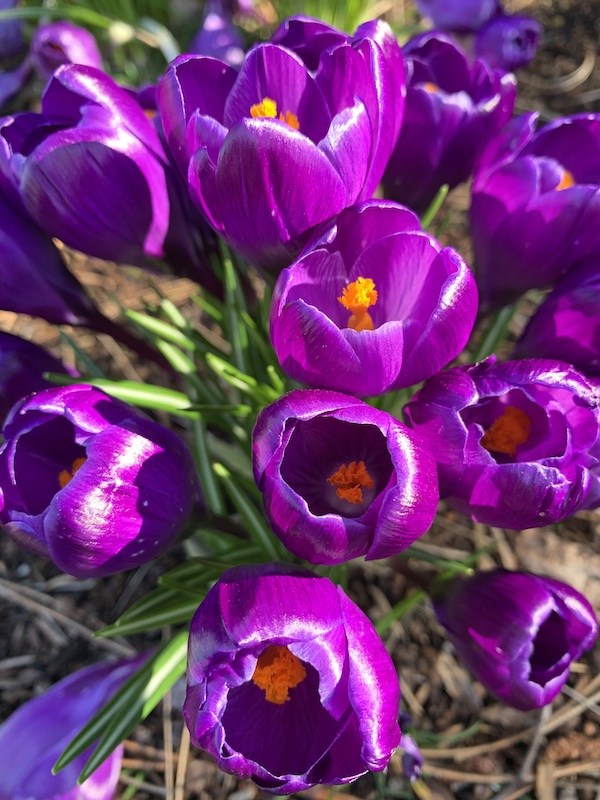
As the days begin to lengthen, the cold temps begin to inch upward, and the sun begins to peak out from behind the clouds a tiny bit more, guess what? Heat and light incubate life. Plant buds are beginning to swell, and a few hardy early-bird flowers are beginning to pop out of the cold ground. Rejoice as the earth begins to awaken with a new flourish of life, and take a moment to walk around your personal domain and notice as the inexorable and reassuringly predictable cycles of plant-life rebirths once again despite the crazy, erratic, capricious and often malevolent machinations of many humans everywhere. Never forget that while the outlook may be a bit crazy, but the uplook, heavenward, is always great.
While you’re looking around, scroll back through this same Good News Tree Service, Inc. blog and check out the archives for any tree care articles that you may have missed. Also check out our YouTube channel at https://www.youtube.com/channel/UCvcu2lL9NpgoXQtUFYyQShw and our Facebook page at https://www.facebook.com/GoodNewsTreeService/ or our website at https://goodnewstree.com. I am regularly adding new videos for your education and pleasure. Please enjoy!
Readers’ suggestions on how to improve this list are gladly solicited. If you, the reader, have any suggestions for additions to this month’s list, please put them in the comments section of this article, and I will add them to the list. Thank you in advance! — Nathan
Tree and Shrub Care
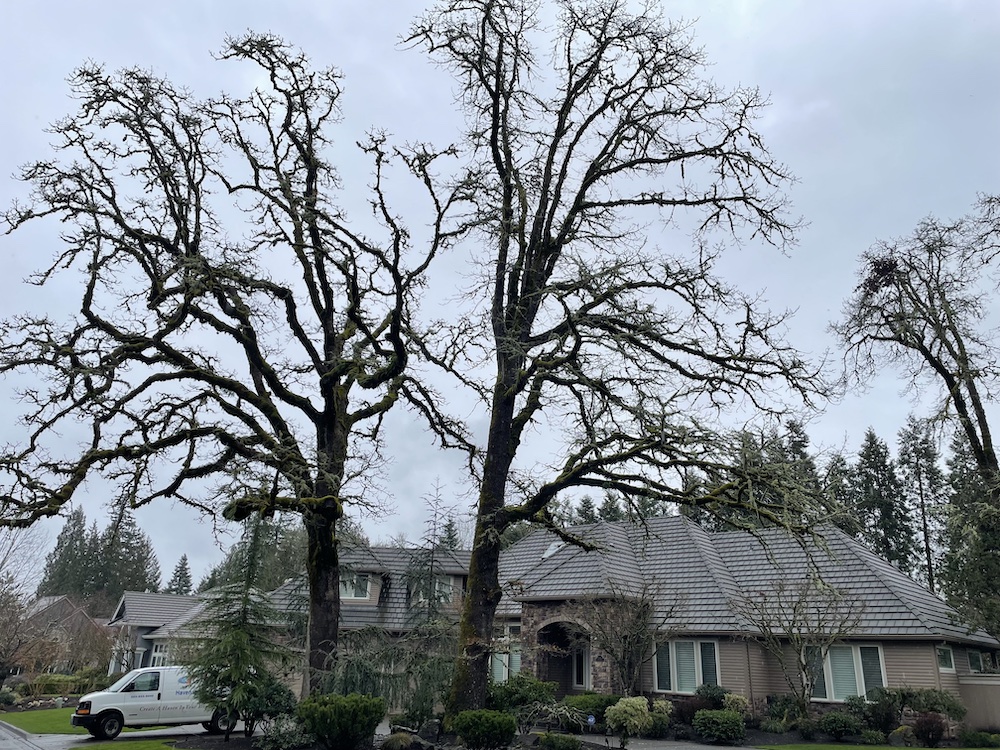
- Fruit tree pruning. Now is the time to prune your fruit trees for fruit production. You can also prune grapes, cane and trailing berries once the threat of major frost is past.
- Plant fruit trees. Not only is this a good time to plant bare-root fruits trees, which you can purchase now at many garden centers, but it’s an excellent to plant all kinds of trees and shrubs in the garden, while the weather is cool and the plants are still dormant. This is also a good time to reduce the height of overgrown fruit trees, since they are likely to produce fewer water sprouts now then when pruned in the spring.
- Yard clean up. Rake and dispose of ornamental tree leaves, or better yet, compost them and then spread the decomposed leaves back onto your shrub beds as a mulch next year.
- Mulch. Apply two to three inches of mulch around all trees and ornamental shrubs. This helps to fertilize the plants and feed the soil, and also protects them against weed growth and loss of water when the warmer weather returns.
- Pine tree pruning. Prune coast or shore pines (Pinus contorta) and Scotch/Scots pines (Pinus sylvestris). These two pines are especially susceptible to the sequoia pitch moth whose larvae burrow into the tree trunks during the growing season (April through September) causing the trees to exude large amounts of unsightly pitch globules. While this seldom kills the tree, the bleeding of sap is not good for the overall health and vigor of the tree. It is advisable, therefore, not to prune these pine trees during the growing season, since the pruning cuts attract the moth, which then lays eggs on the tree, which hatch into tree-burrowing larvae. Pruning should be done on your pines from November to March.
- Plant or transplant trees and shrubs. Winter is good time to plant or transplant ornamental trees and shrubs. Cooler weather means less transplant shock to the plants, and over the winter and spring, they will have time to begin to acclimate to their new environment before the stress of the next summer season occurs.
- Pruning of ornamental shrubs. Do major pruning (called heading back) of rhododendrons (or rhodies) and other similar ornamental shrubs back to latent buds in trunks and stalks. Do this before spring growth begins in a couple of months.
- Pruning of large trees. Winter is a great time to do aesthetic and structural pruning of deciduous trees and shrubs, since the structure or architecture of the plant is clearly visible making aesthetic pruning easier than when plants are foliated. Structural defects, which can cause tree failure, are more easily spotted as well. Also remove of dead wood, and pruning to reduce hazards. If you’re not sure what to do, or how to do it, call Good News Tree Service, Inc. for a consultation, pruning lessons or to have them do the pruning for you.
- Roses. The best time to prune roses is after the threat of major frost is past.
- Tree and shrub removal and stump grinding can be done all year long.
- Hazard tree assessment. Have an ISA Certified Arborist with an ISA Tree Risk Assessment Qualification (like Good News Tree Service, Inc.) inspect your large trees for the potential of failure due to weak root systems and defects in trunks and branches. This is best done when the leaves are off the trees.
- Trees and Storms. Storm proof your larger trees. Checking your trees for hazards and then take the appropriate measures to protect your trees from storm damage. After each major weather event, check your trees for damage such as broken or hanging limbs. If you have concerns or questions about your trees, have an ISA Certified Arborist with an ISA Tree Risk Assessment Qualification (like Good News Tree Service, Inc.) inspect your large trees for damage or the potential of failure due to weak root systems and defects in trunks and branches. If you’re not sure about the condition of your trees or even what to look for, call Good News Tree Service, Inc. for a free on-site consultation.
Plant Health Care

Good News Tree Service, Inc. provides many of the plant health care services listed below.
- Arborvitae Berckmann’s Blight (Platycladus orientalis). Spray in the fall (late Sept. and early Oct., and again in early Nov. Spray again in early spring (Feb to Mar) if disease is severe.
- Dormant Spraying of Fruit Trees. Apply dormant sprays against insects and fungi.
- Lawns. Fertilize yellowing lawns.
- Piercing-Sucking Insects. Apply systemic insecticides against piercing sucking insects (aphids, lacebugs, scales, weevils, etc.) via soil injections (one treatment gives season-long control). This is a service that Good News Tree Service, Inc. provides. Free price quotes are available upon request.
- Photinia leaf spot. Spray a four applications of fungicide early in February at two week intervals afterwards. Early spray is key to controlling this fungus.
- Powdery Mildew. Apply a fungicides as soon as symptoms appear (when the weather begins to warm up). Best efficacy is obtained if used before symptoms appear. Use fungicide at seven to fourteen day intervals, or more often if conditions warrant it. If a plant is known to have had powdery mildew previously, apply as buds start to open.
- Tent Caterpillar. Apply systemic pesticide for season-long control.
Elsewhere in the Garden

- Slug control. Put slug bait around winter flowers. Though the weather may be cold, slugs are still active.
- Clean up. Rake and dispose of ornamental tree leaves, or better yet, compost them and then spread the decomposed leaves back onto your shrub beds as a mulch next year.
- Mulch all of your shrub beds. Put a two to three inches of mulch (e.g. bark dust, garden compost or wood chips) around perennials and other plants that might be sensitive to subfreezing weather. Also, spread a fresh layer of mulch (e.g. bark dust, garden compost or wood chips) on all the bare dirt areas in your yard to prevent soil compaction from rains, to prevent weed growth and to enrich and help to condition your heavy clay soils.
- Cut English ivy off of the base of trees. (This can be done any time of the year.)
- Feed the birds. Dutifully maintain your bird feeders. As winter comes, birds have a harder time finding food. This includes both seed and suet feeders. During dry spells, keep your bird bath watering hold full of fresh water. Caring for the local wild birds brings life and excitement to your backyard by turning it into a bird-friendly sanctuary. The birds will thank you for your generosity by providing you with hours of entertainment, and by eating insect pests that harm your ornamental trees and shrubs. Remember to feed your local humming birds that overwinter in our region. If possible, fill your humming bird feeders with a syrup that contains only 100 percent sugar (e.g. sucrose or dextrose) minus any artificial sweeteners, red dyes and other chemicals. Your birds will be healthier for it. You can find excellent bird care products and advice from knowledgeable and caring professionals at your local Backyard Bird Shop.
Rose Care
- Prune your roses. The best time to do heavy pruning of roses is after the threat of major frost is past.
- Anytime of the year. Heavily mulch your roses. Organic mulch (such as wood chips, rotted compost, rotted manure) is the best. While barkdust helps to hold moisture in the soil, it contains little or no nutrients, so it doesn’t feed the soil and thus won’t feed your roses.
- For more information on the care of roses, go to the Portland Rose Society website at https://www.portlandrosesociety.org/all_about_roses.html.
Lawn Care
- Perform mower maintenance. This is a good time to take your mower to repair shop for some annual engine maintenance and blade sharpening. Do it in the winter when the repair shops are not busy and to avoid the spring rush so that you will be ready to mow your grass in the spring.
- Other lawn care. Avoid walking on extremely soggy or heavily frost-covered lawns to avoid damage to your grass.


Still Going at Age 62—Continuing 60 Years of Family Tradition
Good News Tree Service, Inc. of Wilsonville, Oregon is a strong, vibrant family tree care company that has the wisdom, maturity and experience of age, yet also the vibrancy and energy of youthfulness as the next generation rises up to carry the 60 year long, three generation family tradition of quality tree and shrub care onward.
Formative or Structural Pruning of Young Trees (Parts 1 and 2)
Part one is a video tutorial we made a year ago to show how to structurally or formatively prune young deciduous trees. Part two show how the trees responded favorably to our pruning one year later.
Part One (December 2020)
Part Two (February 2022)
January in the Garden—To Do List

This guide is tailored for the western valleys of Oregon and Washington.
YOU can help to make the world a better, a more friendly, loving and beautiful place by being a good steward of the spot on this earth that you are privileged to be borrowing for a time—your garden. Nathan, the Treevangelist, urges you to treat your spot on this planet like your own personal Garden of Eden paradise. Then notice the joy that it will bring to you! This is your divinely mandated responsibility. Your trees, shrubs, flowers and the wildlife in your yard will express their smiling appreciation back to you and to others as they radiate love, joy and beauty bursting forth with vibrant and verdant life. Below is a to do list to help you to do just that.
For newcomers to the valleys of western Oregon, this fall and winter may seem to be wetter than usual due to the almost non-stop rain that has been falling on our thirsty ground. However, for those of us who have lived around here all of our lives, NEWS FLASH: This year has been more typical of past Pacific Northwest fall and winter seasons. Okay, in all honesty, we’ve probably had a little more rain than usual. Since October I have emptied probably at least 12 inches of water out of my rain gauge—maybe more. But I’m not complaining, and neither have many of our local trees that have literally been dying of thirst for the past few years. For them, this has been a welcome respite from an otherwise drought stricken and forlorn, if not seemingly God-forsaken, region. To be sure, rain is a divine, heaven-sent blessing for which we would all be better off were we to as enlarge our hearts by offering a prayer of thanksgiving to the Almighty Creator and divine Benefactor above, who is the source of all good things.
In the spare time that you have while not tending your garden, we cordially invite you to scroll back through this same Good News Tree Service, Inc. blog and check out any of our past tree and gardening articles that you may have missed. Also check out our YouTube channel at https://www.youtube.com/channel/UCvcu2lL9NpgoXQtUFYyQShw. I am regularly adding new videos for your education and pleasure. Please enjoy!
Readers’ suggestions on how to improve this list are gladly solicited. If you, the reader, have any suggestions for additions to this month’s list, please put them in the comments section of this article, and I will add them to the list. Thank you in advance!
— J. Nathan Lawrence (fourth generation Oregonian, OSU Master Gardener, ISA Certified Arborist, ISA Tree Risk Assessment Qualified, Oregon Dept. of Agriculture Licensed Commercial Pesticide Applicator)
Tree and Shrub Care

- Fruit tree sanitation. To prevent possible spread of leaf diseases, rake up and remove leaves from around the base of fruit trees.
- Fruit trees. You can start pruning your fruit trees and continue all the way up until February. This is also a good time to reduce the height of overgrown fruit trees, since they are likely to produce fewer water sprouts now then when pruned in the spring.
- Rake and dispose of ornamental tree leaves, or better yet, compost them and then spread the decomposed leaves back onto your shrub beds as a mulch next year.
- Storm proof your larger trees. With the advent of winter storms and the potential damage that they may inflict upon your trees, have an ISA Certified Arborist with an ISA Tree Risk Assessment Qualification (like Good News Tree Service, Inc.) inspect your large trees for the potential of failure due to weak root systems and defects in trunks and branches. This can be done anytime of the year, but now, before the winter storms hit, is an excellent time to proactive assess the condition of your trees for potential limb and trunk breakage.
- Large trees. After each major weather event, check your trees for damage such as broken or hanging limbs. If you have concerns or questions about your trees, have an ISA Certified Arborist with an ISA Tree Risk Assessment Qualification (like Good News Tree Service, Inc.) inspect your large trees for damage or the potential of failure due to weak root systems and defects in trunks and branches.
- Plant or transplant trees and shrubs. After the cold, seasonal rains have started is a good time to plant or transplant ornamental trees and shrubs. Cooler weather means less transplant shock to the plants, and over the winter and spring, they will have time to begin to acclimate to their new environment before the stress of the next summer season occurs.
- Prune your trees and shrubs. This is a good time to start pruning your deciduous trees and shrubs after the leaves have fallen and a tree’s branching structure is clearly visible making pruning easier. If you’re not sure what to do, or how to do it, call Good News Tree Service, Inc. for a consultation, pruning lessons or to have them to the pruning for you.
- Prune coast or shore pines (Pinus contorta) and Scotch or Scots pines (Pinus sylvestris). These two pines are especially susceptible to the sequoia pitch moth whose larvae burrow into the tree trunks during the growing season (April through September) causing the trees to exude large amounts of unsightly pitch globules. While this seldom kills the tree, the bleeding of sap is not good for the overall health and vigor of the tree. It is advisable, therefore, not to prune these pine trees during the growing season, since the pruning cuts attract the moth, which then lays eggs on the tree, which hatch into tree-burrowing larvae. Pruning should be done on your pines from November to March.
- Mulch trees and shrubs. Apply two to three inches of mulch around all trees and ornamental shrubs. This helps to fertilize the plants and feed the soil, and also protects them against weed growth and loss of water when the warmer weather returns, and helps to insulate the roots against cold weather in the winter.
- Water your plants. Are you serious? In the winter time? Maybe. Because of climate change, rain is not always falling as regularly and frequently as it used to. For the past few years during the winter months, it is not uncommon to go several weeks with little or no rain. This means that shrubs or trees planted earlier in the season may need a drink of water from time to time during these dry times. This is because their roots aren’t established yet and therefore don’t have the water uptake capabilities that established plants have. The symptom of lack of water, as usual, is drooping and wilting leaves.
Elsewhere in the Garden

- Put slug bait around winter flowers.
- Rake and dispose of ornamental tree leaves, or better yet, compost them and then spread the decomposed leaves back onto your shrub beds as a mulch next year.
- Mulch your shrub beds. Put a two to three inches of mulch (e.g. bark dust, garden compost or wood chips) around perennials and other plants that might be sensitive to subfreezing weather. Also, spread a fresh layer of mulch (e.g. bark dust, garden compost or wood chips) on all the bare dirt areas in your yard to prevent soil compaction from rains, to prevent weed growth and to enrich and help to condition your heavy clay soils. Adding a layer of mulch (several inches thick) over any tender perennial flowers, especially if the weather turns extremely cold and the ground freezes, will prevent death of flowers like dahlias.
- Cut English ivy off of the base of trees. (This can be done any time of the year.)
- Feed the birds. Dutifully maintain your bird feeders. As winter comes, birds have a harder time finding food. This includes both seed and suet feeders. During dry spells, keep your bird bath watering hold full of fresh water. Caring for the local wild birds brings life and excitement to your backyard by turning it into a bird-friendly sanctuary. The birds will thank you for your generosity by providing you with hours of entertainment, and by eating insect pests that harm your ornamental trees and shrubs. Remember to feed your local humming birds that overwinter in our region. If possible, fill your humming bird feeders with a syrup that contains only 100 percent sugar (e.g. sucrose or dextrose) minus any artificial sweeteners, red dyes and other chemicals. Your birds will be healthier for it. You can find excellent bird care products and advice from knowledgeable and caring professionals at your local Backyard Bird Shop.
Rose Care
- Prune your roses down by about one-third and remove any dead flowers and dead or diseased canes.
- Heavily mulch your roses. Organic mulch (such as wood chips, rotted compost, rotted manure) is the best. While barkdust helps to hold moisture in the soil, it contains little or no nutrients, so it doesn’t feed the soil and thus won’t feed your roses.
- For more information on the care of roses, go to the Portland Rose Society website at https://www.portlandrosesociety.org/all_about_roses.html.
Lawn Care
- Perform mower maintenance. This is a good time to take your mower to repair shop for some annual engine maintenance and blade sharpening. Do it in the winter when the repair shops are not busy and to avoid the spring rush so that you will be ready to mow your grass in the spring.
- Other lawn care. Avoid walking on extremely soggy or heavily frost-covered lawns to avoid damage to your grass.


December in the Garden—A To Do List

This guide is tailored for the western valleys of Oregon and Washington.
YOU can help to make the world a better, a more friendly, loving and beautiful place by being a good steward of the spot on this earth that you are privileged to be borrowing for a time—your garden. Nathan, the Treevangelist, urges you to treat your spot on this planet like your own personal Garden of Eden paradise. Then notice the joy that it will bring to you! This is your divinely mandated responsibility. Your trees, shrubs, flowers and the wildlife in your yard will express their smiling appreciation back to you and to others as they radiate love, joy and beauty bursting forth with vibrant and verdant life. Below is a to do list to help you to do just that.
It’s December-r-r-r! The trees look like scarecrows, frost and ice is making its major appearances on winter’s stage, and the hummingbirds are starring out us demandingly wondering when we’ll get our act together and start hanging out their red, plastic flowered filled lux sucre delights. And don’t forget the rain. So far this season, I’ve emptied my backyard rain gauge of about 10 inches of liquid sunshine since October. Needless to say, our weary, drought ravaged native tree (like cedars and Douglas-firs) are drinking deeply hoping to assuage their year’s long thirst and stave off stress leading to possible death. In the mean time, as the wintery gloom and moistness settles down on us a like a wet, wool blanket, a plethora of garden flowers are joyfully poking their petaled heads upward defying the grayness of the season as if to say, “Make my day!” Please enjoy the photo gallery below.
While you’re at it, take a few moments and scroll back through this same Good News Tree Service, Inc. blog and check out the archives for any tree and plant care articles that you may have missed. Also check out our YouTube channel at https://www.youtube.com/channel/UCvcu2lL9NpgoXQtUFYyQShw, our Facebook page at https://www.facebook.com/GoodNewsTreeService/ and our main website at https://goodnewstree.com. Please enjoy!
Readers’ suggestions on how to improve this list are gladly solicited. If you, the reader, have any suggestions for additions to this month’s list, please put them in the comments section of this article, and I will add them to the list. Thank you in advance! — Nathan
Tree and Shrub Care

- Fruit tree sanitation. To prevent possible spread of leaf diseases, rake up and remove leaves from around the base of fruit trees.
- Fruit tree pruning. After the leaves drop is an excellent time to prune trees that are done fruiting and for aesthetics, since wounds will heal more quickly in warmer weather than occurs in winter. This is also a good time to reduce the height of overgrown fruit trees, since they are likely to produce fewer water sprouts now then when pruned in the spring.
- Storm proof your larger trees. With the advent of winter storms and the potential damage that they may inflict upon your trees, have an ISA Certified Arborist with an ISA Tree Risk Assessment Qualification (like Good News Tree Service, Inc.) inspect your large trees for the potential of failure due to weak root systems and defects in trunks and branches. This can be done anytime of the year, but now, before the winter storms hit, is an excellent time to proactive assess the condition of your trees for potential limb and trunk breakage.
- Large trees. After each major weather event, check your trees for damage such as broken or hanging limbs. If you have concerns or questions about your trees, have an ISA Certified Arborist with an ISA Tree Risk Assessment Qualification (like Good News Tree Service, Inc.) inspect your large trees for damage or the potential of failure due to weak root systems and defects in trunks and branches.
- Plant or transplant trees and shrubs. After the cold, seasonal rains have started is a good time to plant or transplant ornamental trees and shrubs. Cooler weather means less transplant shock to the plants, and over the winter and spring, they will have time to begin to acclimate to their new environment before the stress of the next summer season occurs.
- Prune your trees and shrubs. This is a good time to start pruning your deciduous trees and shrubs after the leaves have fallen and a tree’s branching structure is clearly visible making pruning easier. If you’re not sure what to do, or how to do it, call Good News Tree Service, Inc. for a consultation, pruning lessons or to have them to the pruning for you.
- Prune coast/shore pines (Pinus contorta) and Scotch/Scots pines (Pinus sylvestris). These two pines are especially susceptible to the sequoia pitch moth whose larvae burrow into the tree trunks during the growing season (April through September) causing the trees to exude large amounts of unsightly pitch globules. While this seldom kills the tree, the bleeding of sap is not good for the overall health and vigor of the tree. It is advisable, therefore, not to prune these pine trees during the growing season, since the pruning cuts attract the moth, which then lays eggs on the tree, which hatch into tree-burrowing larvae. Pruning should be done on your pines from November to March.
- Mulch trees and shrubs. Apply two to three inches of mulch around all trees and ornamental shrubs. This helps to fertilize the plants and feed the soil, and also protects them against weed growth and loss of water when the warmer weather returns, and helps to insulate the roots against cold weather in the winter.
- Water your plants. Are you serious? In the winter time? Yes. Because of climate change, rain is not falling as regularly and frequently as it used to. For the past few years during the winter months, it is not uncommon to go several weeks with little or no rain. This means that shrubs or trees planted earlier in the season may need a drink of water from time to time during these dry times. This is because their roots aren’t established yet and therefore don’t have the water uptake capabilities that established plants have. The symptom of lack of water, as usual, is drooping and wilting leaves.
Elsewhere in the Garden

- Put slug bait around winter flowers.
- Plant spring flowering bulbs.
- Rake and dispose of ornamental tree leaves, or better yet, compost them and then spread the decomposed leaves back onto your shrub beds as a mulch next year.
- Mulch your shrub beds. Put a two to three inches of mulch (e.g. bark dust, garden compost or wood chips) around perennials and other plants that might be sensitive to subfreezing weather. Also, spread a fresh layer of mulch (e.g. bark dust, garden compost or wood chips) on all the bare dirt areas in your yard to prevent soil compaction from rains, to prevent weed growth and to enrich and help to condition your heavy clay soils. Adding a layer of mulch (several inches thick) over any tender perennial flowers, especially if the weather turns extremely cold and the ground freezes, will prevent death of flowers like dahlias.
- Winterize your irrigation system. Provide winter protection to in-ground irrigation systems by draining them and insulating valve mechanisms.
- Winterize your outdoor faucets. Protect outside faucets from subfreezing temperatures, and drain and store garden hoses in your garage or garden shed.
- Cut English ivy off of the base of trees. (This can be done any time of the year.)
- Feed the birds. Dutifully maintain your bird feeders. As winter comes, birds have a harder time finding food. This includes both seed and suet feeders. During dry spells, keep your bird bath watering hold full of fresh water. Caring for the local wild birds brings life and excitement to your backyard by turning it into a bird-friendly sanctuary. The birds will thank you for your generosity by providing you with hours of entertainment, and by eating insect pests that harm your ornamental trees and shrubs. Remember to feed your local humming birds that overwinter in our region. If possible, fill your humming bird feeders with a syrup that contains only 100 percent sugar (e.g. sucrose or dextrose) minus any artificial sweeteners, red dyes and other chemicals. Your birds will be healthier for it. You can find excellent bird care products and advice from knowledgeable and caring professionals at your local Backyard Bird Shop.
Rose Care

- Mid to late fall: Prune your roses down by about one-third and remove any dead flowers and dead or diseased canes.
- Anytime of the year: Heavily mulch your roses. Organic mulch (such as wood chips, rotted compost, rotted manure) is the best. While barkdust helps to hold moisture in the soil, it contains little or no nutrients, so it doesn’t feed the soil and thus won’t feed your roses.
- For more information on the care of roses, go to the Portland Rose Society website at https://www.portlandrosesociety.org/all_about_roses.html.
Lawn Care
- Fertilization. Apply winter fertilizer if you forgot to fertilize your lawn the fall.
- Rake leaves. What more can be said about this?
- Perform mower maintenance. This is a good time to take your mower to repair shop for some annual engine maintenance and blade sharpening. Do it in the winter when the repair shops are not busy and to avoid the spring rush so that you will be ready to mow your grass in the spring.
- Other lawn care. Avoid walking on extremely soggy or heavily frost-covered lawns to avoid damage to your grass.


November in the Garden—A To Do List

This guide is tailored for the western valleys of Oregon and Washington.
YOU can help to make the world a better, a more friendly, loving and beautiful place by being a good steward of the spot on this earth that you are privileged to be borrowing for a time—your garden. Nathan, the Treevangelist, urges you to treat your spot on this planet like your own personal Garden of Eden paradise. Then notice the joy that it will bring to you! This is your divinely mandated responsibility. Your trees, shrubs, flowers and the wildlife in your yard will express their smiling appreciation back to you and to others as they radiate love, joy and beauty bursting forth with vibrant and verdant life. Below is a to do list to help you to do just that.
After an atypically long summer (it started in early June) with record high temperatures and severe drought conditions, with the advent of fall, the climate suddenly turned an abrupt corner and someone upstairs turned on the water spigot. Thank you Lord for answering our prayers!
So the big name stars that are capturing the headlines for this November are Stormy Rain, Falling Leaves and Cool Gray. And I don’t want to hear any complaints from the audience either, because we need these actors to do their thing on the seasonal stage for the greater good that benefits us all. Sermon done…(for now, at least).
While you’re at it, take a few moments and scroll back through this same Good News Tree Service, Inc. blog and check out the archives for any tree and plant care articles that you may have missed. Also check out our YouTube channel at https://www.youtube.com/channel/UCvcu2lL9NpgoXQtUFYyQShw, our Facebook page at https://www.facebook.com/GoodNewsTreeService/ and our main website at https://goodnewstree.com. Please enjoy!
Readers’ suggestions on how to improve this list are gladly solicited. If you, the reader, have any suggestions for additions to this month’s list, please put them in the comments section of this article, and I will add them to the list. Thank you in advance! — Nathan
Tree and Shrub Care
- Fruit tree sanitation. To prevent possible spread of leaf diseases, rake up and remove leaves from around the base of fruit trees.
- Fruit tree pruning. After the leaves drop is an excellent time to prune trees that are done fruiting and for aesthetics, since wounds will heal more quickly in warmer weather than occurs in winter. This is also a good time to reduce the height of overgrown fruit trees, since they are likely to produce fewer water sprouts now then when pruned in the spring.
- Storm proof your larger trees. Checking your trees for hazards and then take the appropriate measures to protect your trees from storm damage. If you’re not sure about the condition of your trees or even what to look for, call Good News Tree Service, Inc. for a free on-site consultation.
- Large trees. After each major weather event, check your trees for damage such as broken or hanging limbs. If you have concerns or questions about your trees, have an ISA Certified Arborist with an ISA Tree Risk Assessment Qualification (like Good News Tree Service, Inc.) inspect your large trees for damage or the potential of failure due to weak root systems and defects in trunks and branches.
- Trees—storm issues. With the advent of winter storms and the potential damage that they may inflict upon your trees, have an ISA Certified Arborist with an ISA Tree Risk Assessment Qualification (like Good News Tree Service, Inc.) inspect your large trees for the potential of failure due to weak root systems and defects in trunks and branches. This can be done anytime of the year, but now, before the winter storms hit, is an excellent time to proactive assess the condition of your trees for potential limb and trunk breakage.
- Mulch trees and shrubs. Apply two to three inches of mulch around all trees and ornamental shrubs. This helps to fertilize the plants and feed the soil, and also protects them against weed growth and loss of water when the warmer weather returns, and helps to insulate the roots against cold weather in the winter.
- Plant or transplant trees and shrubs. After the cold, seasonal rains have started is a good time to plant or transplant ornamental trees and shrubs. Cooler weather means less transplant shock to the plants, and over the winter and spring, they will have time to begin to acclimate to their new environment before the stress of the next summer season occurs.
- Prune your trees and shrubs. This is a good time to start pruning your deciduous trees and shrubs after the leaves have fallen and a tree’s branching structure is clearly visible making pruning easier. If you’re not sure what to do, or how to do it, call Good News Tree Service, Inc. for a consultation, pruning lessons or to have them to the pruning for you.
- Prune coast/shore pines (Pinus contorta) and Scotch/Scots pines (Pinus sylvestris). These two pines are especially susceptible to the sequoia pitch moth whose larvae burrow into the tree trunks during the growing season (April through September) causing the trees to exude large amounts of unsightly pitch globules. While this seldom kills the tree, the bleeding of sap is not good for the overall health and vigor of the tree. It is advisable, therefore, not to prune these pine trees during the growing season, since the pruning cuts attract the moth, which then lays eggs on the tree, which hatch into tree-burrowing larvae. Pruning should be done on your pines from November to March.
Plant Health Care
- Arborvitae Berckmann’s Blight (Platycladus orientalis). Spray with copper twice in the fall (late Sept. and early Oct., and again in early Nov. Spray again in early spring (Feb to Mar) if disease is severe.
- Fertilize trees and shrubs. Use with a low nitrogen granular fertilizer. The fall and winter rains will slowly dissolve the fertilizer into the soil and down into the roots. Roots continue to grow throughout the winter, so it’s good to feed them for the overall health and vigor of the plant. You can also have Good News Tree Service, Inc. deep root fertilize your trees and shrubs via injection of liquid fertilizers and soil conditioners directly into the root zone of the tree through hydraulic pressure.
- Deep Root Fertilization Trees and Shrubs. If the soil temperatures permit, hire Good News Tree Service, Inc. to fertilize your ornamental shrubs and trees (via hydraulic injection) to improve their root health during the winter season and to prepare them for the upcoming spring and summer growing season. When you do this, you will notice a marked improvement in the looks of trees and shrubs.
- Magnolia Bacterial Blight. If your magnolia bush or tree has blighted leaves and flowers (dark, irregular spots) and the new shoots wilt and die in the spring, it may be magnolia bacteria blight. To treat, the magnolia needs to be sprayed once in the fall and twice in the spring near bud break.
- Verticillium wilt. Treat maples and other trees against this potentially lethal soil borne fungal pathogen. The fall is the best time to treat your plants against this disease, and spring is the second best time. Maples are especially plagued by this disease. During hot weather, symptoms include smaller than normal cupped leaves in the upper canopy, often with the death of the entire branch occurring. Maples are the hardest hit trees by this disease. Other trees susceptible to this persistent and potentially lethal fungal root disease include ash, box elder, golden rain tree, mountain ash, prunus spp. (cherry and plum), redbud, tree of heaven or silk tree, southern magnolia, tulip tree.
- Willow Twig (Bacterial) Blight. Apply copper spray fungicide after the leaves drop.
Elsewhere in the Garden
- Put slug bait around winter flowers.
- Plant spring flowering bulbs.
- Rake and dispose of ornamental tree leaves, or better yet, compost them and then spread the decomposed leaves back onto your shrub beds as a mulch next year.
- Mulch your shrub beds. Put a two to three inches of mulch (e.g. bark dust, garden compost or wood chips) around perennials and other plants that might be sensitive to subfreezing weather. Also, spread a fresh layer of mulch (e.g. bark dust, garden compost or wood chips) on all the bare dirt areas in your yard to prevent soil compaction from rains, to prevent weed growth and to enrich and help to condition your heavy clay soils. Adding a layer of mulch (several inches thick) over any tender perennial flowers, especially if the weather turns extremely cold and the ground freezes, will prevent the death of flowers such as dahlias.
- Winterize your irrigation system. Provide winter protection to in-ground irrigation systems by draining them and insulating valve mechanisms.
- Winterize your outdoor faucets. Protect outside faucets from subfreezing temperatures, and drain and store garden hoses in your garage or garden shed.
- Cut English ivy off of the base of trees. (This can be done any time of the year.)
- Feed the birds. Dutifully maintain your bird feeders. As winter comes, birds have a harder time finding food. This includes both seed and suet feeders. During dry spells, keep your bird bath watering hold full of fresh water. Caring for the local wild birds brings life and excitement to your backyard by turning it into a bird-friendly sanctuary. The birds will thank you for your generosity by providing you with hours of entertainment, and by eating insect pests that harm your ornamental trees and shrubs. Remember to feed your local humming birds that overwinter in our region. If possible, fill your humming bird feeders with a syrup that contains only 100 percent sugar (e.g. sucrose or dextrose) minus any artificial sweeteners, red dyes and other chemicals. Your birds will be healthier for it. You can find excellent bird care products and advice from knowledgeable and caring professionals at your local Backyard Bird Shop.
Rose Care
- Mid to late fall. Prune your roses down by about one-third and remove any dead flowers and dead or diseased canes.
- Anytime of the year. Heavily mulch your roses. Organic mulch (such as wood chips, rotted compost, rotted manure) is the best. While barkdust helps to hold moisture in the soil, it contains little or no nutrients, so it doesn’t feed the soil and thus won’t feed your roses.
- For more information on the care of roses, go to the Portland Rose Society website at https://www.portlandrosesociety.org/all_about_roses.html.
Lawn Care
- Fertilization. Late in the month, apply winter fertilizer which is vital to maintain healthy turf.
- Mowing. Continuing mowing as needed while the grass is still growing if conditions are not excessively wet and cold.

My wife, Sandi, (and I as her assistant) volunteer for a non-profit accredited organization that trains service dogs for PTSD and mobility issues. Zulu, an English Golden Retriever, is currently assigned to us.
The service dog training program for which we are volunteers is JLAD (Joys of Living Assistant Dogs) at https://www.joydogs.org) out of Salem, Oregon. JLAD is an ADI accredited program that is comprised of some 40 volunteers who take these dogs temporarily into their homes (at their own expense) to help train them.
Currently, JLAD also works with two prisons in Oregon where residents live with and do an amazing job training these wonderful dogs as an important part of their journey to become full service dogs.
When the dogs exit the program, they must pass a set of rigorous tests to be approved as a certified service dog. For those people who are recipients of these highly intelligent and beloved animals, it can make all the difference in their lives as these dogs are trained to respond to some 90 commands and to perform numerous tasks for disabled people.
If you are inspired to make an end-of-the-year donation to a worthy cause, consider JLAD as a recipient of your generosity. You can donate at https://www.joydogs.org/donate.
You can also contact JLAD through their website if you are interested in becoming a volunteer.
Thank you and may God bless you!
Another Tree Saved from the Saw

The owner of this house was ready to have us take down this large sycamore tree because its roots were lifting his sidewalk. Had I been a greedy arborist, I could have charged him a lot of money and removed the tree as he wished. However, I told him how he could cut some roots, install a root barrier to prevent the roots from growing under his sidewalk in the future, thus saving the tree. Needless to say, he was elated at being able to keep his tree and save a boat load of money to boot.
Saving trees from the saw doesn’t seem to be a popular thing among many tree services, who prefer, instead, to make a quick buck while preying on people’s fears and ignorance about trees. As an example of this, I received a desperate call from a homeowner who lives in the suburbs of Denver, Colorado. He has a large maple tree that he believes is savable, but that the City and a several tree services have told him must come out. A couple of arborist told him that the tree can be saved with some pruning to remove some hazardous branches; however, the city has sent him a demand letter that he remove it or they plan to trespass onto his property and remove it and put a lien on his house for the costs involved. No local tree services want to go up against the city on this issue, so are acquiescing to city’s demands, even though they know they can save the tree.
Thus, this man saw my blog where I brag about the trees we save, and he called me hoping I could help him even though I live more than 1,200 miles from him. I gave him a lot of free advice on how to deal with the situation, who to contact, and how to save his tree.
We are trying to make a difference by making the world a more beautiful place one tree at a time.
Speaking of beautiful trees, here are some photos of trees that I recently took. Please enjoy.


October in the Garden—A To Do List

This guide is tailored for the western valleys of Oregon and Washington.
YOU can help to make the world a better, a more friendly, loving and beautiful place by being a good steward of the spot on this earth that you are privileged to be borrowing for a time—your garden. Nathan, the Treevangelist, urges you to treat your spot on this planet like your own personal Garden of Eden paradise. Then notice the joy that it will bring to you! This is your divinely mandated responsibility. Your trees, shrubs, flowers and the wildlife in your yard will express their smiling appreciation back to you and to others as they radiate love, joy and beauty bursting forth with vibrant and verdant life. Below is a to do list to help you to do just that.
The big, big news—the good news!—is that the rains have returned! As everyone knows, the western Pacific Northwest region is famous (in infamous!) for its regular (sometimes seemingly perpetual) rainfall over much of the year. Rain keeps the regional garden known as Oregon and Washington green and makes it renown for its verdant forests and lush greenery. Those of us who are native Northwesterners have even evolved webbed toes to cope with all of the rain! Moreover, we have developed specific linguist capabilities to express what in other areas of the world is simply known as rain. We refer to the various gradients and degrees of rain by terms such as showers, drizzle, mist, sprinkles, downpours, precipitation, cloud bursts or squalls to name a few. But 2021 has been anything but any of these as we, perhaps, find ourselves in the worst rain deficit in recorded history. Adding to the severity of the situation, this year summer started a whole month early. On top of it all, for several days in early June, we experienced record searing temperatures in the 115˚ to 120˚ range. Believe it or not, these are hotter temperatures, for example, than some areas get in the U.S. Southwest. However, with the return of the rains in September—a true blessing from Heaven—we can hopefully put these memories behind us for awhile as the land with its plant life takes a deeply needed swig of water. Hopefully this rain will assuage the dessication that has been killing many of our drought stricken trees, as well as impede future forest fires. Let us all offer up a prayer of thanksgiving to our Heavenly Creator (Elohim) who has graciously bestowed upon us the blessing of rain his rain!
Readers’ suggestions on how to improve this list are gladly solicited. If you, the reader, have any suggestions for additions to this month’s list, please put them in the comments section of this article, and I will add them to the list. Thank you in advance! — Nathan
Tree and Shrub Care

- Fruit trees: This is an excellent time to prune trees that are done fruiting, since wounds will heal more quickly in warmer weather than occurs in winter. This is also a good time to reduce the height of overgrown fruit trees, since they are likely to produce fewer water sprouts now then when pruned in the spring.
- Large trees: After each major weather event, check your trees for damage such as broken or hanging limbs. If you have concerns or questions about your trees, have an ISA Certified Arborist with an ISA Tree Risk Assessment Qualification (like Good News Tree Service, Inc.) inspect your large trees for damage or the potential of failure due to weak root systems and defects in trunks and branches.
- Mulch: Apply two to three inches of mulch around all trees and ornamental shrubs. This helps to fertilize the plants and feed the soil, and also protects them against weed growth and loss of water when the warmer weather returns, and helps to insulate the roots against cold weather in the winter.
- Pines—pruning: During the cooler fall, winter and spring seasons is the best time to prune pine trees. For those into Japanese style pruning, this is the time to bud prune.
- Pruning of trees and shrubs: You can do all aesthetic pruning of all ornamental shrubs and trees (except pines) at any time of the year in most cases.
- Pruning of large trees: Most trees in the temperate western valleys of Oregon and Washington can be pruned anytime of the year. If you’re not sure what to do, or how to do it, call Good News Tree Service, Inc. for a consultation, pruning lessons or to have us do the pruning for you. It is likely best to wait for cooler weather to prune stressed or sick looking trees or to do major pruning on trees. Call us if you have questions about this. Heavy pruning of some trees in the summer, especially conifers, can weaken or even kill them.
- Tree and shrub removal and stump grinding can be done all year long.
- Trees—Storm Issues: With the advent of winter storms and the potential damage that they may inflict upon your trees, have an ISA Certified Arborist with an ISA Tree Risk Assessment Qualification (like Good News Tree Service, Inc.) inspect your large trees for the potential of failure due to weak root systems and defects in trunks and branches. This can be done anytime of the year, but now, before the winter storms hit, is an excellent time to proactive assess the condition of your trees for potential limb and trunk breakage.
Plant Health Care
- Arborvitae Berckmann’s Blight (Platycladus orientalis): Spray with copper twice in the fall (late Sept. and early Oct., and again in early Nov. Spray again in early spring (Feb to Mar) if disease is severe.
- Deep Root Fertilization: Deep root fertilize your trees and shrubs to promote healthy root development in preparation for next springs growing cycle.
- Magnolia Bacterial Blight: If your magnolia bush or tree has blighted leaves and flowers (dark, irregular spots) and the new shoots wilt and die in the spring, it may be magnolia bacteria blight. To treat, the magnolia needs to be sprayed once in the fall and twice in the spring near bud break.
- Maples (including Japanese maples): Monitor the leaves of all maples and some other trees and shrubs for symptoms of the potentially lethal verticillium wilt fungal disease. If you see major branch dieback, call GNTS, Inc. for a free evaluation.
- Verticillium Wilt: The fall is the best time to treat your plants against this disease, and spring is the second best time. Maples are especially plagued by this disease. During hot weather, symptoms include smaller than normal cupped leaves in the upper canopy, often with the death of the entire branch occurring. Maples are the hardest hit trees by this disease. Other trees susceptible to this persistent and potentially lethal fungal root disease include ash, box elder, golden rain tree, mountain ash, prunus spp. (cherry and plum), redbud, tree of heaven or silk tree, southern magnolia, tulip tree.
Elsewhere in the Garden

- Put slug bait around your flowers and tender perennials like hostas.
- Apply two to three inches of mulch (e.g. bark dust, garden compost or wood chips) on all of your shrub beds. Covering bare dirt areas in your yard with mulch helps to prevent soil compaction from rains, and weed growth, and helps to enrich our heavy clay soils. Also apply several inches of mulch over the tops of any perennials that may suffer damage from freezing temperatures to insure that they survive the winter.
- Cut English ivy off of the base of trees. (This can be done any time of the year.)
- Feed the birds. Dutifully maintain your bird feeders. As winter comes, birds have a harder time finding food. This includes both seed and suet feeders. During dry spells, keep your bird bath watering hold full of fresh water. Caring for the local wild birds brings life and excitement to your backyard by turning it into a bird-friendly sanctuary. The birds will thank you for your generosity by providing you with hours of entertainment, and by eating insect pests that harm your ornamental trees and shrubs. Remember to feed your local humming birds that overwinter in our region. If possible, fill your humming bird feeders with a syrup that contains only 100 percent sugar (e.g. sucrose or dextrose) minus any artificial sweeteners, red dyes and other chemicals. Your birds will be healthier for it. You can find excellent bird care products and advice from knowledgeable and caring professionals at your local Backyard Bird Shop.
- This is a good time of the year to plant trees and shrubs. Visit your local nursery and select your favorite ornamental shrubs and shade trees. After planting your new shrubs, just make sure that you water them well immediately and regularly subsequently for the first two or three summers until their roots get established.
- Fertilize your lawn. The cooler, wetter fall weather is also an excellent time to overseed your lawn to fill in the thin and bare areas.
Rose Care
- Mid to late fall: Prune your roses down by about one-third and remove any dead flowers and dead or diseased canes.
- Anytime of the year: Heavily mulch your roses. Organic mulch (such as wood chips, rotted compost, rotted manure) is the best. While barkdust helps to hold moisture in the soil, it contains little or no nutrients, so it doesn’t feed the soil and thus won’t feed your roses.
- For more information on the care of roses, go to the Portland Rose Society website at https://www.portlandrosesociety.org/all_about_roses.html.
Lawn Care
- Weed control. Most perennial lawn weeds are more easily killed in the fall. Treat them with a broadleaf herbicide or pull them by hand.
- Fertilization. If you only fertilize as part of your lawn maintenance once a year, fall is the best time to do it. In fact, your lawn will appreciate a light application of fertilizer in early autumn and again in late autumn.
- Overseed bare spots. When the weather begins to cool down from the summer heat, yet while the grass is still growing, and the fall rains begin is an excellent time to overseed bare or thin spots in your yard. Fall is the best time of the year to reseed bare are of your lawn, while spring is the second best time.